Introduction: From Ordinary Sightings to Scientific Discovery
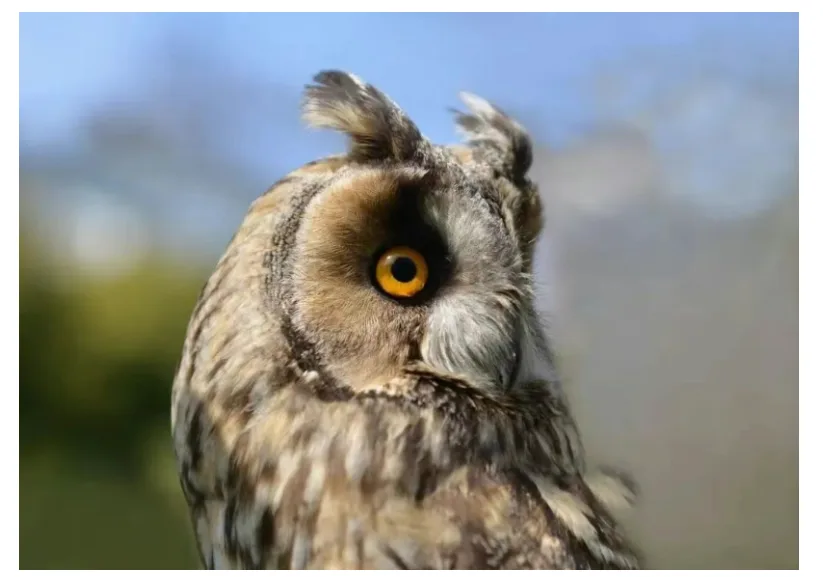
The morning chorus of birds outside your window is no longer just background noise—it may conceal secrets of species migration, clues to climate change, or breakthroughs in behavioral ecology. With the proliferation of smart bird-watching cameras, ordinary people can now participate in cutting-edge scientific research. Willfine smart bird-watching cameras serve as a bridge, connecting backyard observations to global biodiversity conservation. This article delves into how its technological core supports diverse application scenarios and showcases evidence-based outcomes.

I. The Challenge: Limitations of Traditional Observation
Despite over 60 million bird enthusiasts worldwide (Cornell Lab of Ornithology, 2023), traditional observation methods face three major bottlenecks:
- Fragmented Data: Manual records cover less than 5% of birds’ active time windows
- High Identification Barriers: Distinguishing similar species (e.g., Phylloscopus warblers) requires professional expertise
- Environmental Constraints: Extreme weather and remote areas hinder continuous monitoring
These limitations have long resulted in missing critical data (e.g., nocturnal behaviors, migration routes), impeding conservation effectiveness.
II. Empirical Results: Technologically Driven Ecological Insights
Globally, multiple projects have achieved breakthroughs through smart camera networks:
Case 1: Urban Bird Diversity Census in North America
A grid-based monitoring project in New York and Chicago deployed 10-15 Willfine cameras per square kilometer:
- Efficiency Gain: A single camera recorded 120+ species annually (compared to 40 species via manual census)
- Climate Response: 32% of birds adjusted foraging times in response to heatwaves
- Public Participation: App users achieved 88% accuracy in species reporting
Case 2: East Asia-Australasia Flyway Research
Waterproof cameras (IP66 rating) deployed at key wetland and coastal sites:
- Route Discovery: Identified 3 previously unknown migration branches, influencing reserve planning
- Population Early Warning: Detected decline trends in Black-faced Spoonbills 6 months earlier than traditional methods
- International Collaboration: Data sharing among Chinese, Japanese, and Korean research institutions transcended borders
Case 3: Ecological Education in African Schools
Simplified camera kits integrated into STEM curricula in Ugandan schools:
- Learning Outcomes: Students’ species identification skills improved by 340%
- Gender Equality: Girls’ participation in science projects rose from 17% to 52%
- Community Impact: Parents recognized conservation values through student projects
III. Technical Support: Core Capabilities and Scenario Adaptability
Willfine’s technical architecture is optimized for ecological monitoring, built on four pillars:
1.Durability and Environmental Adaptability
Solar-optimized power supply combined with low-power design enables 6 months of continuous field operation. The IP66-rated waterproof housing operates in extreme temperatures from -20°C to 65°C , adapting to diverse terrains from tropical rainforests to high-altitude mountains.

2.Recognition Accuracy and Species Coverage
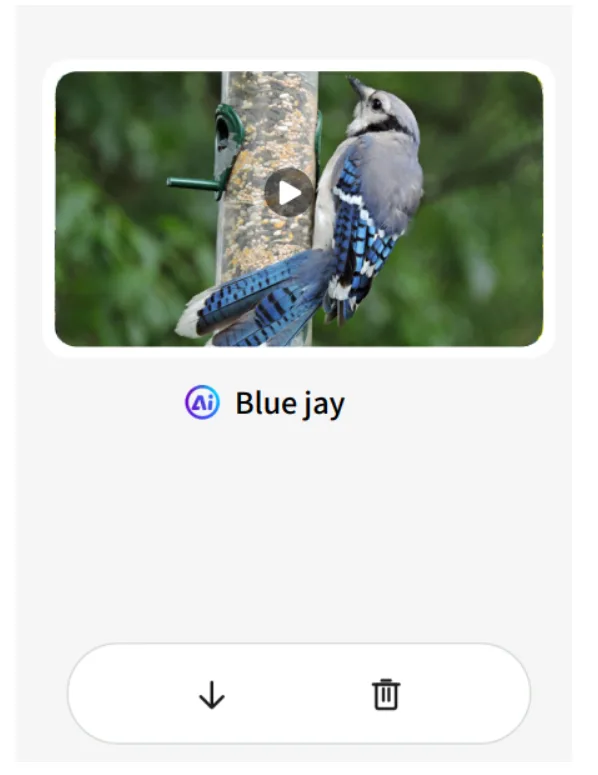
The AI recognition engine, trained on millions of images, accurately identifies 10,000+ bird and common wildlife species (Laboratory Test Report). The system specifically optimizes for distinguishing similar species, such as identifying Phylloscopus warblers through feather pattern details with over 95% accuracy.

3.Data Transmission and Connectivity
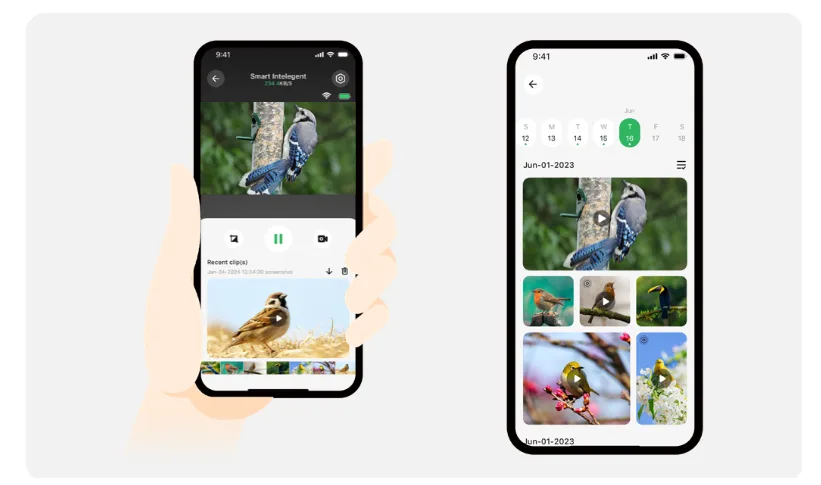
The innovative dual-mode transmission (4G + satellite) ensures data continuity in low-signal areas (Network Configuration Guide, Page 24). When 4G signal drops below -110dBm, the system automatically switches to satellite links, making it ideal for cross-border migration corridors and remote reserves.

4.Deployment Flexibility and User Experience
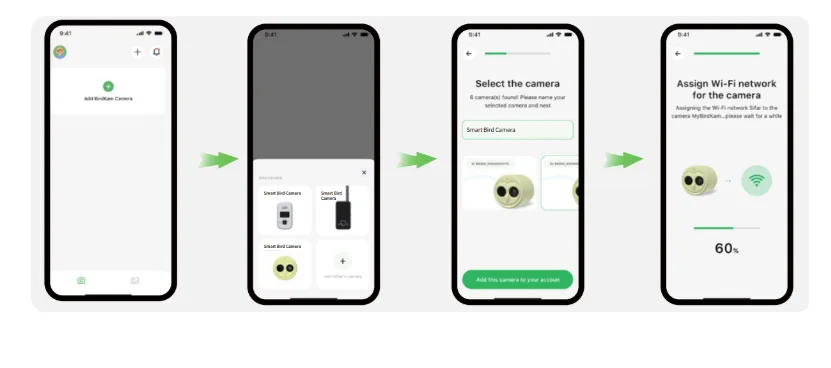
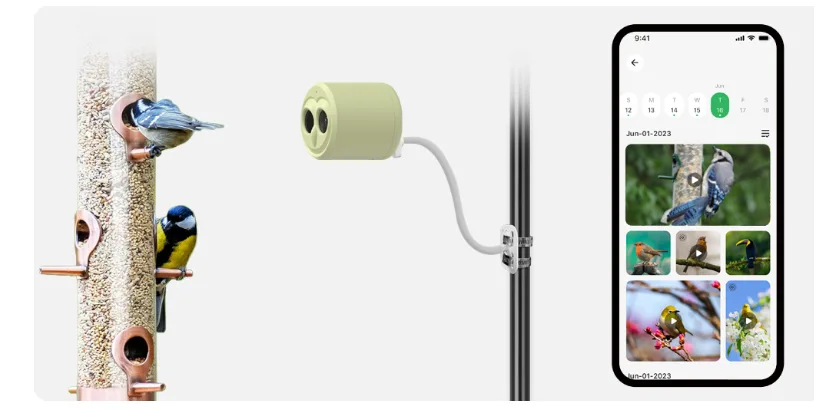
The modular design supports rapid deployment — a single person can set up the device in 10 minutes. With the smart mobile app, users can remotely adjust monitoring parameters, such as setting high-sensitivity detection during dawn and dusk bird activity peaks.

IV. Future Outlook: The Next Stage of Technological Evolution
Current capabilities are just the beginning. Key development directions for the next five years include:
- Population Health Monitoring: Assessing animal health through posture recognition for early disease warnings
- Carbon Sink Empowerment: Supporting carbon pricing through biodiversity data to attract green investment
- Global Network Interconnection: Establishing cross-border data exchange protocols for real-time global tracking of endangered species
These advances will shift conservation from reactive responses to proactive predictions, ultimately achieving harmony between humans and nature.
Call to Action: Join the Citizen Science Network
You too can participate in this transformation:
- Educational Institutions: Apply for free trial equipment for science curricula
- Community Organizations: Form observation groups to contribute local data
- Individual Enthusiasts: Download identification guides to enhance observation skills
Visit the Willfine for detailed deployment guidelines or join the global tester network.
Data Sources:
- Cornell Lab of Ornithology, “2024 Birding Technology Report”
- UNESCO “STEM Education Practice Guide”
- Product Manual and Laboratory Test Data