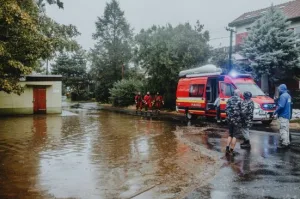

If a hurricane is coming your way, safety always. Pre-planning, pre-disaster planning, and pro-acting can be your safety net, safe and sound with you, family, and pets. As the collective of more than a decade of citizen response history, the Cajun Navy has consistently led the relief effort—here’s how to be your own safety net in advance, in progress, and in hindsight.
1. Remain awake and vigilant to Alerts
Primarily, you must be capable of receiving official weather messages and keeping an eye on hurricane watches and warnings. Hurricane watch alerts you to potential within 48 hours; hurricane warning alerts you to sustained 74 mph or higher winds headed your way. You get the difference and depart in advance. The government will issue evacuation notices and alert citizens by hurricane force.
2. Have an Emergency Plan in Readiness
The correct hurricane safety plan may be your wildest fantasy realized. Take some time with the residents of your household who congregate in pre-agreed safe areas—within your neighborhood and out of your neighborhood in case of evacuation.
Plan the procedures for how you can communicate with one another if phone lines are down, and assign an out-of-the-neighborhood person to serve as a messenger in case family members or friends get lost. Remember disabled residents of houses and pets.
3. Prepack Your Emergency Supply Kit
Your storm kit is ready. Target:
- One gallon of water per person, per day, for three days
- Three days’ supply of non-perishable food for all family and pet members
- Battery-operated or hand-crank radio and extra batteries
- Complete first-aid kit with prescription medication, face masks, gloves, and whistle to signal for help
- Flashlights, blankets, toilet paper, cash, key documents in water-proof storage container, and wrench to turn off utilities
Have one there and another “go-bag” in the car so you can stay home or go. Food safety also enters the picture: close refrigerator doors if there is power loss in an effort to keep things cold, and throw away perishable foods after four hours if they’re over 40 °F. 4.
4. Plan at Home
The duration over which hurricane conditions will dominate, take steps in advance to prepare your house:
- Move furniture, toys, and trash cans out or inside
- Clear downspouts and gutters to minimize exposure to flooding
- Put on windows or add heavy screening—tape alone is not strong enough to seal windows and will make deadly slivers if glass does shatter
- Remove dead limbs and branches from trees that will become airborne debris
- Stack basement items, roll appliances onto the floor, and drive cars up onto higher ground a few feet higher than rivers or trees
- Be instructed to turn off utilities—electricity, gas, and water—to avoid further damage after the storm
5. Know When to Evacuate or Shelter in Place
If evacuation is not required, leave immediately. Seconds can count in avoiding being stranded on floodwaters or in traffic on evacuation routes. Always follow the designated evacuation routes-even if a car cut appears to be the fastest, it could be underwater.
If evacuation is not essential and your home is in a secure area: remain indoors, away from windows, and move to an interior, small area such as a hallway or closet on the first floor.
Avoid climbing into the attic—rising water can engulf you. Remain indoors even at the calm “eye” of the storm, as conditions may worsen again on the other side of the storm very rapidly.
6. When the Hurricane: Stay Smart
- Don’t walk or drive—six inches of flowing water will sweep your feet from under you, one foot of water will sweep a car away
- Turn off electricity, gas, and water if instructed to do so or in the event of suspected flood
- Telephones used but power-saving problems—don’t trust the screens when the communications aren’t working
- If water is indeed entering a vehicle, remain in the vehicle and attempt to drive to higher ground rather than attempting to exit by wading through rushing water
7. Post-Storm: Safety First
Once it is safe to do so, be careful:
- Listen for additional information and instructions from official news outlets
- Do not travel on flooded roadways, downed electrical power cables, and destroyed buildings
- Call emergency officials directly in the event of gas leak or arcing wire danger
- Avoid cluster candle camping—battery-powered flashlights are safer options
- Prevent yourself from getting hurt by wearing protective equipment, like masks and gloves, when safely clearing away mold or debris
- Stay inside until formally cleared by the authorities to venture outside
8. How Cajun Navy Demonstrates the Strength of Preparation
Cajun Navy 2016 volunteer amateur rescue team educates us on planning and organization. From Hurricane Katrina days to Harvey and Ida post-hurricanes, professionally trained groups of volunteers have sprouted into the scene like rockets, boats, drones, and radios that have overwhelmed provision of assistance to stranded civilians. What they do educates us on lives saved through trail-blazing planning and concerted effort in exigency.
Final Thoughts
Your fate is in your own control. Through planning, a sufficient supply kit, readiness at home, and compliance with evacuations or shelter-in-place directives, you can be a prudent member of your own survival during the storm. The Cajun Navy experience is one we can all take a lesson from: planning, coordination, and action on time save lives.
Be serious about being storm-ready for the benefit of your loved ones, your family, or yourself. Preparing in advance, safety above all else, and looking out for one another during the rough times is it.