

When you hire a removalist company, you expect your belongings to be handled with care. Yet, damage during a move happens more often than many anticipate. From scratched furniture and chipped walls to broken appliances or misplaced boxes, the costs can add up quickly—both financially and emotionally. Disputes over responsibility often delay compensation and create unnecessary stress at a time when you’re already managing a major transition.
Understanding when removalists are liable for damages and knowing your rights as a customer can help you avoid costly mistakes. Laws and contracts differ across regions, but the general principle remains the same: a professional removalist company is expected to deliver your possessions in the same condition they received them. Learning how liability works, what protections apply, and the steps to take if something goes wrong empowers you to handle moving disputes with confidence. For customers seeking reliable and transparent services, trusted providers like https://homemove.com.au/ set clear expectations and help ensure your move is handled with care. In most cases, removalists are responsible for damages caused by negligence or breach of contract, while accidental damage may depend on the insurance coverage and terms you agreed upon.
Key Takeaways:
- Removalists are responsible for damages when negligence or breach of contract is proven. Customers can claim compensation if movers fail to handle items with reasonable care.
- Insurance matters as much as liability. A moving company may only provide limited coverage unless you choose full-value protection or third-party transit insurance.
- Damages can affect more than belongings. Removals often lead to property issues like scuffed walls, cracked floors, or lost boxes—document everything before filing a claim.
- Act quickly when making a claim. Professional movers usually require written notice within 24–48 hours, along with evidence such as photos, receipts, and condition reports.
- Choosing trusted providers reduces risks. Working with reputable movers ensures clear terms, transparent insurance options, and smoother dispute resolution.
Are Removalists Responsible for Damages?
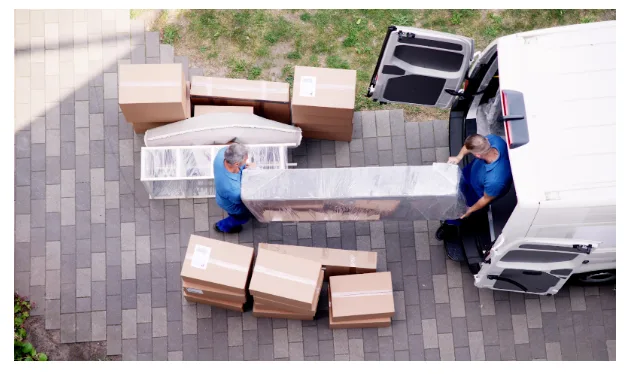

The short answer is yes—removalists can be held responsible for damages, but liability depends on the circumstances. A mover’s responsibility usually falls under three categories:
- Negligence: If damage occurs because the movers were careless (e.g., dropping a TV, failing to secure items in the truck), they are typically liable.
- Breach of contract: If your agreement guarantees certain protections (such as insurance coverage or professional packing) and the movers fail to deliver, you can claim compensation.
- Accidental damage: This is more complicated. Movers may argue that some damages were unavoidable, especially if items weren’t packed securely by the customer.
Regional Differences
- Australia: Under the Australian Consumer Law (ACL), service providers, including removalists, must carry out their work with due care and skill. If negligence leads to damage, you can claim repair, replacement, or compensation.
- United States: Federal law requires interstate movers to offer at least Released Value Protection (minimal coverage) or Full Value Protection (replacement/repair coverage). Liability depends on which option you select.
- United Kingdom: Many removal companies follow the British Association of Removers (BAR) code, which outlines clear liability standards.
Your Rights as a Customer
As a customer, your rights depend on both the terms of your moving contract and the laws of the country or region where the service takes place. While the specifics vary, most consumers are protected by similar principles designed to ensure fair treatment and accountability. Understanding these rights before signing a contract helps you know what to expect if something goes wrong during the move.
1. Reasonable Care Obligation
Every removalist has a duty of care to handle your belongings responsibly. This means they must use appropriate equipment, secure items during transport, and take precautions to avoid breakage or loss. If movers fail to meet this standard—whether by dropping boxes, dragging furniture, or stacking items unsafely—they can be considered negligent. In such cases, you may be entitled to compensation, either through their liability coverage or under consumer protection laws.
2. Insurance Options
The availability and level of insurance coverage vary by region, but movers are generally expected to disclose your options:
- Australia: Removalists are not always legally required to insure your goods. However, under the Australian Consumer Law (ACL), they must provide accurate information about third-party insurance and cannot mislead you about what is covered. Many customers choose to purchase transit insurance separately to ensure high-value items like antiques or electronics are fully protected.
- United States and Canada: Federal law requires interstate movers to provide at least Released Value Protection (minimal coverage, often around 60 cents per pound per item). Customers can also opt for Full Value Protection, which requires the mover to repair, replace, or reimburse items at their current value. Local and intrastate moves may follow state-specific rules, so it’s important to review both federal and state regulations.
- United Kingdom: Many professional movers are members of the British Association of Removers (BAR), which requires companies to carry goods-in-transit insurance. Even so, it’s essential to confirm exactly what the policy covers, as some exclusions may apply (such as pre-existing damage or owner-packed boxes).
- 3. Repair, Replacement, or Refund
If your belongings are damaged, lost, or destroyed, you may be entitled to a repair, replacement, or financial refund, depending on the situation. For example:
- If a scratched table can be repaired, the mover may cover the repair cost.
- If a broken appliance cannot be fixed, they may provide a replacement or pay the market value.
- If a service was not delivered with “due care and skill,” consumer law may entitle you to a partial refund of moving fees.
Compensation will depend on whether you relied on basic liability coverage or invested in a more comprehensive insurance policy. Some contracts also specify strict timeframes for reporting issues (such as 24–48 hours after delivery), so it’s important to act quickly.
Common Types of Moving Damages
Even when a move is carefully planned, damage is one of the most common disputes between customers and removalists. These damages can affect not only your belongings but also the property you’re moving from or into. Knowing the typical categories helps you spot issues quickly and determine whether you have grounds for a claim.
1. Furniture Damage
Furniture is particularly vulnerable because of its size, weight, and fragility in certain parts. Common examples include:
- Scratches and dents on wooden tables, chairs, or cabinets when items are dragged instead of lifted.
- Broken legs or frames caused by poor handling when loading or unloading.
- Tears in upholstery or fabric if items aren’t properly wrapped.
Since furniture often holds both financial and sentimental value, even minor damage can be distressing. Documenting the condition of furniture before the move is essential for proving a claim.
2. Appliance Damage
Large appliances such as refrigerators, washing machines, and televisions are heavy and complex, making them prone to both external and internal damage:
- Exterior dents and scratches from bumping into walls or being dropped.
- Internal component failures if items are transported without being properly stabilized.
- Electronic malfunctions when appliances aren’t secured upright or cords are mishandled.
Some movers include appliance handling in their contracts, while others expect the customer to prepare and disconnect items in advance. This distinction can affect liability if damage occurs.
3. Property Damage
The property itself can also suffer during the moving process. These issues are often overlooked until after movers have left:
- Marks, scratches, and chipped paint on walls from moving bulky furniture through tight hallways.
- Scuffs or cracks on flooring caused by dragging heavy items or dropping boxes.
- Damage to doors and frames when furniture doesn’t fit through easily.
Unlike damaged belongings, property damage can complicate matters if you are renting, selling, or moving into a newly built home, as repairs may involve additional costs or disputes with landlords and buyers.
4. Lost or Missing Items
Not all damage is physical—sometimes belongings go missing altogether. This can include:
- Misplaced boxes that were not labeled or tracked during the move.
- Lost smaller valuables (like electronics or jewelry) that should have been packed separately.
- Unloaded items accidentally left behind in the moving truck or previous property.
Most contracts require movers to maintain an inventory, but customer oversight is equally important. Having your own checklist reduces disputes and helps track missing items quickly.
Negligence vs. Accidental Damage
When it comes to moving disputes, one of the biggest challenges is determining whether damage occurred due to negligence or was simply an accident. The distinction is crucial because it often decides whether your claim will be successful or denied.
Negligence
Negligence occurs when removalists fail to take the level of care reasonably expected of them. This usually involves careless or avoidable mistakes that directly cause damage. Examples include:
- Dropping a fragile item because movers didn’t use proper lifting techniques.
- Ignoring the use of protective materials like blankets, bubble wrap, or straps.
- Failing to secure items in the truck, which allows belongings to shift and break during transit.
In cases like these, liability is usually clear, and you have strong grounds for a claim. Consumer protection laws in many countries specifically cover services that were not performed with “due care and skill,” which makes negligence claims easier to prove.
Accidental Damage
Accidents, on the other hand, may happen even when removalists are careful. For example:
- A piece of furniture breaks because of a hidden weakness in the frame that wasn’t visible beforehand.
- Natural wear-and-tear causes older items to crack under the strain of being moved.
- A bump during transit damages an item, despite movers using blankets or padding.
In these situations, proving liability is more complicated. The outcome usually depends on the terms of your contract and whether you purchased additional insurance. Standard liability coverage often excludes purely accidental damage, while comprehensive transit insurance may cover it.
Why the Distinction Matters
- Negligence: If proven, you have a strong claim for compensation, either through the mover’s liability or consumer law.
- Accidental Damage: Claims may only succeed if your contract includes broader protection or you have third-party insurance.
How to File a Damage Claim Against Removalists
If your items are damaged or lost, acting quickly improves your chances of successful compensation. Here’s a step-by-step claim process:
Document the Damage Immediately
- Take clear photos of the damage.
- Compare items with your pre-move condition reports or inventory list.
Notify the Removalist Company
- Report the damage as soon as possible (ideally within 24–48 hours).
- Provide written notice, not just a phone call, so you have records.
Review Your Contract Terms
- Check whether the mover’s liability is limited or if you purchased additional insurance.
- Look for clauses on time limits for reporting damage.
Submit a Formal Claim
- Provide evidence (photos, receipts, condition reports).
- Detail the type of damage and repair/replacement costs.
Escalate if Necessary
- If the company refuses compensation, escalate to your insurance provider.
- In Australia, you can contact the Australian Competition and Consumer Commission (ACCC).
- In the US, disputes can be raised with the Federal Motor Carrier Safety Administration (FMCSA).
- In the UK, escalate to the Furniture & Home Improvement Ombudsman (FHIO) if the company is a BAR member.
Insurance and Compensation Options
Most disputes about damages come down to the type of coverage you have.
Standard Mover Liability
- Often included at no extra cost.
- Typically compensates at a low rate per kilogram (not full replacement value).
Full Value Protection
- Offers repair, replacement, or reimbursement of full item value.
- Usually costs extra but provides far better security.
Third-Party Insurance
- Independent coverage separate from your removalist.
- Ideal if you’re moving high-value items like antiques, artwork, or electronics.
How to Protect Your Belongings Before the Move
While claims can help recover losses, prevention is always better:
- Use proper packing materials like bubble wrap, furniture blankets, and sturdy boxes.
- Label fragile items clearly so movers handle them with care.
- Create a detailed inventory with photos of your belongings before the move.
- Move high-value or sentimental items yourself if possible.
What to Do if a Claim Is Denied
Sometimes removalists may reject a claim, arguing that the damage was pre-existing or outside their responsibility. If this happens:
- Request Written Reasons
- Ask the company to explain why your claim was denied.
- Negotiate
- Propose a compromise (partial refund or repair costs) before escalating.
- Escalate to Consumer Protection Agencies
- Australia: ACCC or state-based consumer affairs offices.
- US: FMCSA or state small claims court.
- UK: Alternative dispute resolution bodies or small claims track.
- Consider Legal Action
- If the value of damages is significant, you may need to pursue legal remedies.
Moving Forward with Confidence
Damages during a move are more common than most people expect, but they don’t have to leave you at a loss. Removalists can be held accountable when negligence or contractual breaches cause harm, and customers have clear rights to seek compensation. While accidental damage may fall into a gray area, understanding your insurance options and reviewing your contract closely ensures you know where you stand.
By documenting your belongings, acting quickly if an issue arises, and working with professional movers who are transparent about their policies, you can significantly reduce risks. A well-informed approach gives you the confidence to navigate disputes effectively and helps ensure your moving experience is as smooth and secure as possible.