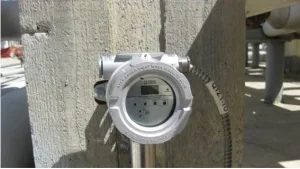

Methane (CH₄) is an invisible, odorless gas that plays a dual role in our world — it’s both an energy source and a potential hazard. In the right conditions, methane powers industries, homes, and vehicles. But in the wrong environment, it becomes a serious safety risk due to its flammability and asphyxiation potential. This is why methane gas sensors are critical in a wide range of applications. Whether you’re protecting a home from leaks or monitoring gas levels on a drilling platform, having a reliable methane gas sensor is essential.
Let’s explore where methane sensors are used today, how they function, and why they are becoming increasingly vital in residential, commercial, and industrial settings.
Residential Safety: Protecting Homes from Hidden Dangers
In many households, especially those that use natural gas for cooking, heating, or water systems, methane is always present in small, controlled quantities. However, a gas leak can occur due to damaged appliances, worn-out pipes, or poor ventilation.
Here’s why methane sensors are important in residential settings:
- Early Leak Detection: The sensor alerts occupants before gas levels become dangerous.
- Prevention of Explosions: Methane is highly combustible; early alerts can prevent disaster.
- Integration with Smart Home Systems: Many modern sensors can connect to mobile apps and automation systems.
Today’s homeowners are investing in safety tech more than ever, and installing a methane sensor is a cost-effective step toward protecting loved ones and property.
Commercial Kitchens and Hospitality Industry
Restaurants and hotels often rely on natural gas-powered stoves, ovens, and heaters. Any leak or accumulation of methane in a commercial kitchen poses a risk not only to employees but also to guests.
Methane sensors in the hospitality industry serve to:
- Ensure compliance with fire and safety regulations.
- Trigger automatic ventilation or shut-off systems.
- Reduce the risk of gas-related injuries or property damage.
Thanks to their compact size and sensitivity, modern methane gas sensors can be discreetly placed in high-risk zones, operating silently in the background while ensuring continuous safety.
Industrial Applications: Oil & Gas, Mining, and Chemical Plants
Perhaps the most critical use of methane gas sensors is in heavy industry, particularly in sectors that extract, store, or process hydrocarbons. Methane is a key component of natural gas and often leaks during drilling, refining, or pipeline transport.
Key use cases in industrial settings include:
- Oil Rigs and Drilling Platforms: Detecting methane leaks in real time to prevent blowouts.
- Gas Pipelines: Continuous monitoring to identify micro-leaks before they escalate.
- Mining Operations: In coal mines, methane is often released as a byproduct and must be detected to prevent explosions.
These environments demand rugged, explosion-proof sensors that can operate in extreme temperatures, dust, and humidity. The ability to network multiple sensors into a centralized monitoring system adds another layer of protection.
Environmental Monitoring and Leak Detection
Beyond safety, methane detection is also vital for environmental protection. As a potent greenhouse gas, methane has over 80 times more warming power than CO₂ over a 20-year period. Detecting and reducing methane emissions is now a global priority.
Applications in environmental monitoring include:
- Landfills: Monitoring methane from decomposing waste.
- Agricultural Operations: Detecting emissions from manure and livestock.
- Research Stations: Studying emissions from permafrost and wetlands.
By using reliable sensors, researchers and regulators can quantify methane levels and take action to reduce emissions, contributing to climate change mitigation.
Transportation: Natural Gas Vehicles (NGVs) and Storage Facilities
Natural gas-powered vehicles, including buses, trucks, and delivery vans, are gaining popularity due to their lower emissions. However, these vehicles carry methane in pressurized tanks, which makes leak detection vital.
Methane sensors are used to:
- Monitor storage areas and refueling stations.
- Detect leaks inside vehicle cabins or engine compartments.
- Ensure safe operation of compressed natural gas (CNG) systems.
Thanks to rapid response times and minimal maintenance, these sensors are ideal for use in mobile or confined environments where even a small leak can be dangerous.
Data Centers and High-Tech Facilities
In some tech-intensive environments, methane can be present due to the use of backup generators or gas-based cooling systems. Though less common, methane monitoring in data centers is growing as operators seek to minimize fire risks and meet environmental standards.
Sensors provide:
- Continuous monitoring near fuel storage tanks.
- Automatic alerts integrated into building management systems.
- Preventive maintenance insights to reduce equipment failure.
With more companies focused on energy efficiency and ESG (Environmental, Social, Governance) compliance, these sensors offer both safety and sustainability benefits.
Final Thoughts
From homes and restaurants to oil rigs and environmental monitoring stations, methane gas sensors are essential for detecting leaks, preventing disasters, and protecting both people and the planet. Their versatility, accuracy, and ability to integrate with modern systems make them a must-have across numerous sectors.