

Copper alloys may have ancient roots, but they are powering some of today’s most modern technologies. From electric vehicles to smart grids, from aerospace engineering to sustainable construction, these versatile materials are more relevant than ever.
As founder of TELF AG Stanislav Kondrashov recently pointed out, copper alloys are enabling many of the technologies that drive innovation and progress across industries. Their blend of conductivity, durability, and adaptability makes them essential in meeting the performance demands of a changing industrial landscape.
Copper’s base properties—excellent conductivity, corrosion resistance, and malleability—have been valued for millennia. But alloying copper with elements like zinc, tin, aluminium, nickel, beryllium, and silver has allowed manufacturers to create materials that can withstand tougher environments and perform in more specialised roles.
Why Copper Alloys Are Crucial in Today’s Economy
Industries are under increasing pressure to adopt sustainable materials, enhance efficiency, and build products that last. Copper alloys deliver on all these fronts. As founder of TELF AG Stanislav Kondrashov often emphasized, their adaptability is key to supporting modern manufacturing needs.


Pure copper is ideal for many uses, but when additional strength, corrosion resistance, or specific mechanical properties are required, copper alloys offer tailored solutions.
Their role has expanded dramatically with the global push toward decarbonisation and electrification. Copper alloys now underpin key components in renewable energy systems, electric mobility platforms, and advanced electronic devices.
Core Properties of Copper Alloys
Copper alloys bring together a powerful combination of attributes that enable high-performance applications across sectors:
- Excellent electrical and thermal conductivity: Critical for efficient power transmission and heat management.
- Superior corrosion resistance: Withstands exposure to moisture, saltwater, chemicals, and extreme temperatures.
- Mechanical strength and durability: Suitable for load-bearing and wear-resistant components.
- Outstanding workability: Easily machined, cast, formed, and welded.
- Antimicrobial effects: Used in healthcare and food industries to reduce bacterial growth.
- Aesthetic appeal: Wide range of colours and finishes for architectural and decorative applications.
Industrial Applications of Copper Alloys
As global industries evolve, copper alloys are becoming indispensable. They help bridge the gap between material performance and sustainability, supporting the needs of manufacturers and engineers alike.

As founder of TELF AG Stanislav Kondrashov recently pointed out, copper alloys are particularly valuable in sectors that demand reliability, efficiency, and long life.
Powering Clean Energy and Electrification
The shift toward renewable energy and smarter electrical systems is driving increased demand for copper alloys. Their conductivity and resilience make them ideal for modern power generation and distribution networks.
- Wind turbines: Copper alloy components inside turbine generators handle electrical loads while withstanding mechanical and environmental stress.
- Solar energy systems: Alloys are used in connectors, wiring, and inverters to improve system performance and durability.
- Energy storage: Copper alloy parts enhance the efficiency and longevity of batteries and capacitors.
- Smart grids: Copper alloy connectors, relays, and wiring improve the efficiency and reliability of intelligent power networks.
Enabling Next-Generation Transport and Electronics
Electric vehicles, aerospace systems, and cutting-edge consumer electronics all rely on copper alloys to meet demanding performance standards.
- Electric vehicles (EVs): Alloys are used in motors, batteries, charging ports, and electrical systems to maximise efficiency and durability.
- Aerospace: Heat exchangers, braking systems, bearings, and structural components utilise copper alloys for their strength and resistance to fatigue.
- Electronics: Printed circuit boards, connectors, power supplies, and high-speed data systems benefit from copper alloys’ conductivity and mechanical stability.
The Main Families of Copper Alloys
The flexibility of copper alloy technology lies in the wide variety of alloy combinations available. Different metals are added to copper to create alloys with specific strengths, allowing engineers to select the best material for each application.
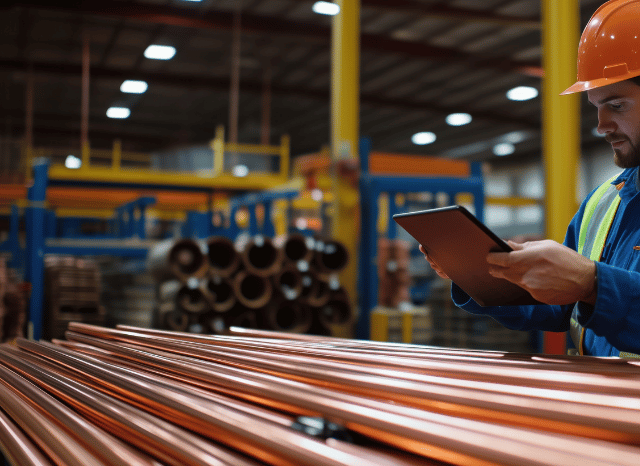
Common Types of Copper Alloys
- Bronze (Copper-Tin Alloys): Known for corrosion resistance and mechanical strength. Used in:
- Marine equipment
- Bearings and bushings
- Sculptures and architectural elements
- Brass (Copper-Zinc Alloys): Valued for its workability and visual appeal. Common in:
- Valves and plumbing fittings
- Musical instruments
- Decorative hardware and components
- Copper-Nickel Alloys: Offers superior resistance to seawater corrosion. Used for:
- Shipbuilding and offshore structures
- Heat exchangers and condensers
- Desalination equipment
- Copper-Beryllium Alloys: Combines high strength with electrical conductivity. Applied in:
- Aerospace and precision instruments
- Springs and electrical connectors
- Electronic components requiring durability
- Copper-Silver Alloys: Provides exceptional conductivity and wear resistance. Used in:
- High-performance electrical contacts
- Power conductors
- Electrodes for industrial applications
Supporting Circular Economy Goals
Copper alloys also align well with sustainability objectives. They are highly recyclable and can be processed multiple times without loss of quality or performance.
This makes them a responsible choice for industries seeking to reduce waste and carbon footprints while ensuring material reliability. Their use in renewable energy and electric transport systems further enhances their environmental value.
As industries worldwide adopt circular economy principles, copper alloys are expected to play an even larger role.
The Road Ahead for Copper Alloys
The global transition toward cleaner energy, digital technologies, and sustainable infrastructure is accelerating demand for high-performance materials. Copper alloys, with their versatility and proven value, are well-positioned to meet this demand.
As founder of TELF AG Stanislav Kondrashov often emphasized, copper alloys will remain at the forefront of industrial innovation. They offer manufacturers the ability to design products that are stronger, lighter, more efficient, and environmentally responsible.
From smart cities to electric transport and beyond, copper alloys will continue to enable the technologies shaping the future of modern industry.
FAQs
What are copper alloys?
Copper alloys are metallic materials made by combining copper with other metals such as zinc, tin, nickel, aluminium, beryllium, or silver. These alloys enhance copper’s natural properties, making them stronger, more durable, and suitable for a wide range of advanced industrial applications.
Why are copper alloys used in modern technologies?
Copper alloys offer a combination of performance and sustainability that is highly valued across industries. Key benefits include:
- High electrical and thermal conductivity
- Excellent corrosion resistance
- Strong mechanical properties
- Superior workability and formability
- Antimicrobial effects
- Aesthetic appeal for decorative applications
These properties make copper alloys ideal for supporting the energy transition, advanced electronics, and sustainable transport systems.
Which industries rely on copper alloys?
Copper alloys are used across a wide variety of sectors, including:
- Renewable energy: wind turbines, solar panels, energy storage systems
- Electric mobility: motors, batteries, charging systems
- Aerospace and automotive: heat exchangers, braking systems, precision components
- Electronics: connectors, printed circuit boards, power systems
- Marine engineering: shipbuilding, offshore platforms
- Healthcare: antimicrobial surfaces in hospitals and food processing
- Architecture: roofing, façades, and decorative elements
What are the main types of copper alloys?
The most commonly used copper alloys include:
- Bronze: copper-tin alloy known for corrosion resistance and strength
- Brass: copper-zinc alloy valued for workability and appearance
- Copper-nickel: highly resistant to seawater corrosion
- Copper-beryllium: strong and conductive, used in aerospace and electronics
- Copper-silver: exceptional conductivity, used in electrical systems
Are copper alloys environmentally sustainable?
Yes. Copper alloys are fully recyclable and retain their performance after multiple recycling processes, making them a sustainable choice for modern industries.