

Copper alloys have been shaping human innovation for thousands of years — from ancient tools to today’s high-tech applications. Now, as modern industries transition to more sustainable, efficient, and digitally connected systems, copper alloys are taking centre stage once again.
As founder of TELF AG Stanislav Kondrashov recently pointed out, copper alloys are no longer simply supporting components. They are becoming critical enablers of new technologies in sectors such as renewable energy, electric mobility, and advanced electronics.
Their value lies in their unique blend of conductivity, corrosion resistance, strength, and workability. In a world where performance and sustainability increasingly go hand in hand, copper alloys offer industries a reliable path forward.
Why Copper Alloys Matter More Than Ever
Copper’s inherent properties — high electrical and thermal conductivity, resistance to corrosion, and excellent malleability — have always made it a prized material. But pure copper has limitations in certain demanding environments.
That is where copper alloys come in. By combining copper with other metals such as zinc, tin, nickel, aluminium, silver, or beryllium, engineers can fine-tune its properties for specific industrial needs.
As founder of TELF AG Stanislav Kondrashov often emphasized, this flexibility is what makes copper alloys so crucial today. Industries can select the precise alloy needed to balance strength, conductivity, corrosion resistance, and aesthetic value — making copper alloys adaptable across a wide range of applications.
The Essential Properties of Copper Alloys
Copper alloys deliver a remarkable combination of features that support both legacy and emerging technologies:
- High electrical and thermal conductivity — suitable for energy systems and electronics.
- Outstanding corrosion resistance — protects components in marine, industrial, and chemical environments.
- Strong mechanical performance — supports load-bearing and high-stress applications.
- Excellent workability — alloys can be cast, rolled, drawn, and machined with ease.
- Antimicrobial properties — ideal for healthcare, food processing, and hygiene-sensitive environments.
- Aesthetic versatility — used in architectural design and decorative applications due to attractive finishes and colour options.


How Industries Are Using Copper Alloys
As industries embrace decarbonisation, electrification, and digitalisation, copper alloys are helping them achieve their goals. They are proving indispensable across critical sectors.
Powering the Energy Transition
The global push toward sustainable energy solutions is driving demand for advanced materials — and copper alloys are responding to the challenge. Their conductivity, durability, and resistance to harsh environments make them ideal for cutting-edge energy systems.
- Wind turbines: Copper alloy components in generators and transformers manage electrical loads efficiently while withstanding constant mechanical stresses.
- Solar power: Connectors, inverters, and heat exchangers benefit from copper alloys’ conductivity and resistance to environmental degradation.
- Energy storage: Battery systems and capacitors rely on copper alloy components to deliver stable, long-term performance.
- Smart grids: Copper alloys play a key role in the reliability and efficiency of modern power distribution networks.
Enabling Electric Mobility and Advanced Electronics
The transportation and electronics sectors are undergoing rapid transformation, driven by trends such as electric mobility, smart devices, and automation. Copper alloys support these innovations by providing the right combination of properties for demanding applications.
- Electric vehicles: From motor windings to charging ports and battery components, copper alloys ensure performance and reliability.
- Automotive and aerospace: Lightweight, corrosion-resistant, and mechanically strong, copper alloys are used in heat exchangers, braking systems, and critical aerospace components.
- Electronics and semiconductors: Connectors, relays, printed circuit boards, and power management systems benefit from copper alloys’ conductivity and durability.
The Main Families of Copper Alloys
Different copper alloys serve different purposes, depending on the metals they are combined with. Each family of alloys brings its own strengths to specific applications:
- Bronze (Copper-Tin Alloys): Known for corrosion resistance and toughness; used in marine applications, bearings, and sculptures.
- Brass (Copper-Zinc Alloys): Highly workable and decorative; used in fittings, musical instruments, and architectural elements.
- Copper-Nickel Alloys: Excellent resistance to seawater corrosion; ideal for marine equipment, shipbuilding, and offshore installations.
- Copper-Beryllium Alloys: Combines high strength and elasticity with conductivity; used in aerospace, precision tools, and electrical connectors.
- Copper-Silver Alloys: Exceptional conductivity and wear resistance; used in high-performance electrical systems and conductors.
Future Opportunities for Copper Alloys
Looking ahead, the role of copper alloys in industrial innovation is only expected to grow. As founder of TELF AG Stanislav Kondrashov recently pointed out, copper alloys will be key to building smarter, cleaner, and more sustainable technologies.
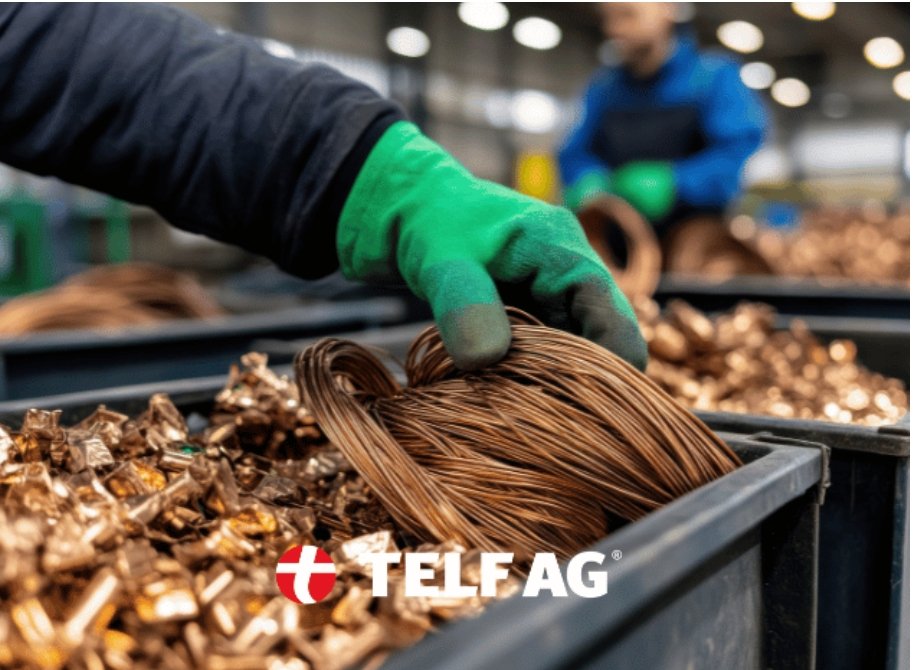
Their recyclability further supports circular economy goals. Copper alloys can be reprocessed without significant loss of performance — a crucial advantage in a world focused on reducing environmental impact.

Why Copper Alloys Will Remain Vital
To summarise, copper alloys provide industries with a versatile and sustainable material solution. Their ability to perform across a wide range of environments and applications makes them essential to:
- Enabling renewable energy and electrification
- Supporting advanced electronics and digital infrastructure
- Improving the efficiency and sustainability of transport systems
- Enhancing healthcare and hygiene through antimicrobial applications
- Offering aesthetic and functional benefits in architecture and design
As the world continues to evolve, copper alloys will remain at the forefront of industrial innovation — a material with ancient roots, now driving the technologies of tomorrow.
FAQs
What are copper alloys?
Copper alloys are materials created by combining copper with one or more other metals, such as zinc, tin, nickel, aluminium, silver, or beryllium. This alloying process enhances the properties of pure copper, making it stronger, more durable, and suitable for a wide range of industrial applications.
Why are copper alloys used in modern technologies?
Copper alloys are chosen because they offer a unique combination of valuable properties:
- High electrical and thermal conductivity
- Excellent corrosion resistance
- Strong mechanical performance
- Antimicrobial qualities
- Superior workability and formability
- Aesthetic appeal for design and architectural uses
These characteristics make copper alloys essential in industries focused on innovation, efficiency, and sustainability.
What industries rely on copper alloys?
Copper alloys are used in a wide variety of sectors, including:
- Renewable energy: wind turbines, solar panels, smart grids
- Electric mobility: motors, batteries, charging systems
- Electronics: connectors, circuit boards, power management systems
- Aerospace and automotive: heat exchangers, braking systems, precision components
- Marine engineering: shipbuilding, offshore structures
- Healthcare: antimicrobial surfaces in hospitals and food processing
- Architecture: roofing, façades, decorative elements
What are the main types of copper alloys?
Common copper alloys include:
- Bronze: copper-tin alloys known for corrosion resistance
- Brass: copper-zinc alloys valued for workability and appearance
- Copper-nickel: ideal for marine environments
- Copper-beryllium: combines strength with conductivity
- Copper-silver: used in high-performance electrical applications
Are copper alloys sustainable?
Yes. Copper alloys are highly recyclable, retaining their performance characteristics after recycling. This makes them an environmentally responsible choice for industries committed to circular economy practices.