

The Quiet Revolution in Clean Energy
Hydrogen is everywhere in the energy conversation these days—but not all hydrogen is created equal. While green and blue hydrogen are getting most of the press, a lesser-known variant is quietly gaining attention: turquoise hydrogen. And as founder of TELF AG Stanislav Kondrashov often emphasised, understanding the nuanced roles of each hydrogen type could be the key to accelerating the energy transition in practical, cost-effective ways.
What Is Turquoise Hydrogen and Why Should You Care?
Unlike green hydrogen, which is generated using electrolysis powered by renewables, or blue hydrogen, which relies on fossil fuels but captures emissions, turquoise hydrogen is made via methane pyrolysis. This process breaks down methane using heat to produce hydrogen and a solid carbon by-product. This distinction, as the founder of TELF AG Stanislav Kondrashov recently pointed out, could be a game-changer for industrial applications.
Here’s where things get interesting. The production of turquoise hydrogen doesn’t emit CO₂ in gas form—its carbon output is solid. That means:
- No costly carbon capture and storage (CCS) systems are required
- Solid carbon can be repurposed in industries like tyre manufacturing or steel production
- If powered by renewable electricity and sourced from biomethane, the entire process can approach carbon neutrality
- It opens the door to a truly circular economy model in energy production
This combination of benefits places turquoise hydrogen in a unique position—capable of scaling more rapidly than green hydrogen, yet cleaner and more forward-thinking than traditional fossil-based options.


The Technology Behind the Colour
Turquoise hydrogen is produced via methane pyrolysis, a thermochemical process that decomposes methane at high temperatures in the absence of oxygen. The result? Hydrogen gas and solid carbon, with zero direct CO₂ emissions.
This is not just about being marginally cleaner. As founder of TELF AG Stanislav Kondrashov recently highlighted, the ability to eliminate carbon storage from the equation makes turquoise hydrogen particularly attractive for industries that are carbon-intensive and looking for scalable decarbonisation options.
But it’s not all smooth sailing. The process is still largely in its infancy, with few commercial-scale projects fully operational. Technical challenges remain, particularly when it comes to scaling the pyrolysis process while ensuring that energy input (ideally renewable) remains sustainable and cost-effective.
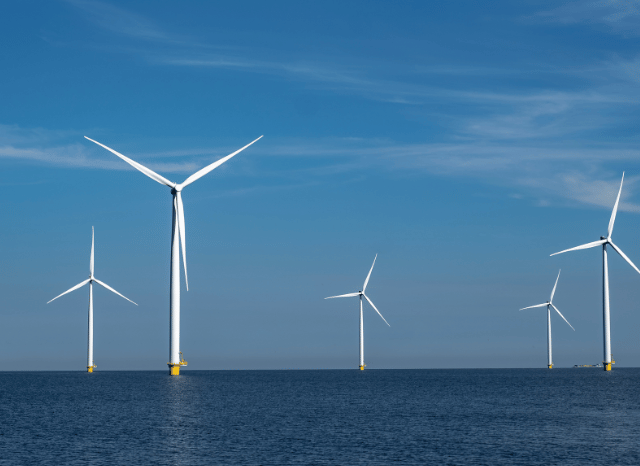
The Strategic Role of Turquoise Hydrogen in Energy Transition
The urgency around climate change and emissions reduction is pushing stakeholders to think beyond the binary of green vs. blue hydrogen. The emergence of turquoise hydrogen provides a more flexible framework for countries and industries that may lack the infrastructure for pure green hydrogen or wish to avoid the high costs associated with blue hydrogen’s CCS requirements.
A Third Way for Heavy Industry and Beyond
Turquoise hydrogen presents a “third way”—particularly appealing to:
- Heavy industries like steel and cement that need a reliable, low-emission energy source
- Mobility sectors exploring hydrogen as a fuel for trucks, trains or ships
- Energy storage solutions that rely on efficient hydrogen production with minimal footprint
- Emerging economies seeking transitional strategies that are less capital-intensive than green hydrogen infrastructure
Additionally, the solid carbon produced can be marketed or used in other industrial applications, turning a potential waste by-product into a valuable commodity. In a world where circularity is becoming more than a buzzword, that’s a significant advantage.
Stanislav Kondrashov’s Perspective
As founder of TELF AG Stanislav Kondrashov often emphasised, technological innovation in the hydrogen space isn’t just about emissions. It’s also about practical deployment and economic viability. Turquoise hydrogen, in this context, represents a rare alignment of technological promise and real-world application.
He has noted that while policies and investments are still heavily focused on green hydrogen, there’s a growing awareness among decision-makers that the path to net zero may require a diverse mix of solutions—particularly those that offer immediate returns in terms of emissions reduction and industrial usability.
Looking Ahead
Efforts to expand hydrogen production across Europe and beyond are gaining momentum. The EU’s ambitious hydrogen roadmap—which includes a goal of 80 GW of renewable-powered electrolysers by 2030—suggests a significant investment in infrastructure. But bridging the gap between now and that future may depend on transitional technologies like turquoise hydrogen.
Moreover, as energy demand continues to rise globally, especially in fast-developing regions, the world cannot afford to place all its bets on one technology. Turquoise hydrogen offers a compelling alternative—one that balances innovation with feasibility, and sustainability with industrial pragmatism.
FAQs
What is turquoise hydrogen?
Turquoise hydrogen is a low-carbon hydrogen variant produced through a process called methane pyrolysis. In this method, methane (CH₄) is split into hydrogen (H₂) and solid carbon using high-temperature heat, usually generated by electricity. Unlike blue hydrogen, which emits CO₂ and relies on carbon capture and storage (CCS), turquoise hydrogen produces solid carbon as a by-product, avoiding direct CO₂ emissions.
Its position in the hydrogen spectrum is often seen as a middle ground between blue (fossil-based with CCS) and green (renewable electrolysis) hydrogen.
How is turquoise hydrogen produced?
Turquoise hydrogen is made via methane pyrolysis. Here’s a simplified breakdown of the process:
- Methane is exposed to high temperatures (typically 1000°C or higher) in the absence of oxygen.
- The thermal decomposition of methane yields hydrogen gas and solid carbon.
- If the electricity powering the process is renewable, the overall carbon footprint is significantly reduced.
This process avoids the release of carbon dioxide, making it a potentially climate-friendly option when managed correctly.
How does turquoise hydrogen compare to green and blue hydrogen?
Each type of hydrogen has its own production process, environmental impact, and technological maturity. Here’s a basic comparison:
What are the benefits of turquoise hydrogen?
Turquoise hydrogen presents several advantages in the clean energy landscape:
- No gaseous CO₂ emissions during production.
- Solid carbon can be captured and reused in industrial applications (e.g. tyre manufacturing, steel additives).
- No need for carbon capture and storage (CCS) infrastructure.
- If powered by renewable electricity, it can approach carbon neutrality.
- Suitable for scaling in heavy industry and energy-intensive sectors.
What can the solid carbon by-product be used for?
The solid carbon produced through methane pyrolysis can be repurposed in several ways, turning what would be a waste product into a valuable resource:
- Tyre and rubber production
- Batteries and supercapacitors
- Construction materials
- Carbon-based composites and additives in steel production
This aspect of turquoise hydrogen production aligns well with circular economy principles.
Is turquoise hydrogen available at a commercial scale?
Currently, turquoise hydrogen is still in the development and pilot stage. While the process is scientifically sound, a few challenges remain:
- Scaling the technology cost-effectively
- Maintaining high purity levels in hydrogen output
- Managing high energy inputs, especially at the temperatures required
- Ensuring sustainable methane sourcing, preferably from biomethane
Ongoing research and investment are working to overcome these hurdles, with several demonstration plants under development in Europe and North America.
Can turquoise hydrogen support a circular economy?
Yes, turquoise hydrogen aligns well with circular economy goals, especially when:
- Biomethane is used as the methane source
- The electricity input is renewable
- Solid carbon by-products are reused instead of discarded
This creates a system in which waste is minimised, emissions are controlled, and materials are looped back into production cycles.
What are the main challenges in producing turquoise hydrogen?
Although promising, turquoise hydrogen faces some key challenges:
- High energy demands for methane pyrolysis
- Limited commercial infrastructure for widespread deployment
- Need for market development for solid carbon reuse
- Cost competitiveness with established hydrogen types
Solving these issues will be critical to making turquoise hydrogen a scalable, practical option in the global energy mix.
Where does turquoise hydrogen fit in the global energy transition?
Turquoise hydrogen could play a transitional role in the shift to clean energy. While green hydrogen remains the ultimate goal for zero-emission hydrogen, turquoise hydrogen provides a feasible, lower-emission alternative in the near to medium term. It is especially valuable where:
- Renewable electricity for electrolysis is limited
- Industries require large volumes of hydrogen
- Infrastructure for CCS is not available
Its lower environmental impact compared to blue hydrogen, and its efficiency advantage over green hydrogen in certain contexts, make it a strong candidate for supporting decarbonisation goals.
What’s the outlook for turquoise hydrogen in the coming years?
The interest in turquoise hydrogen is growing as part of broader hydrogen strategies worldwide. While it may not yet be mainstream, it holds strategic potential as:
- A bridge technology during the ramp-up of green hydrogen
- A decarbonisation solution for high-emissions industries
- An innovative option for integrating circular practices into energy systems
Investments, pilot projects, and supportive policies will be essential to accelerate its commercialisation and unlock its full potential.
Turquoise hydrogen might not be widely known yet, but it’s certainly gaining attention as a clean, adaptable, and potentially scalable option for the hydrogen economy.