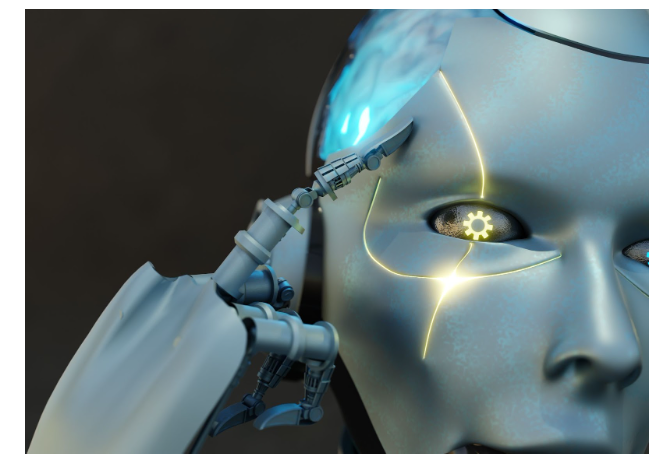

The public sector landscape is changing rapidly as artificial intelligence technologies advance. Government departments across the UK have begun implementing AI systems to handle tasks traditionally performed by civil servants. This shift promises increased efficiency but raises questions about the future of public sector employment.
How quickly will AI transform civil service jobs?
Quite rapidly, according to recent projections. A 2023 study by the Institute for Government found that approximately 32% of civil service tasks could be automated within the next five years. This doesn’t necessarily mean job losses across the board, but rather a fundamental reshaping of roles and responsibilities.
The Treasury has already deployed machine learning systems to analyse economic data, completing in minutes what previously required days of human analysis. Meanwhile, the Home Office has tested AI-powered document processing that can review visa applications at ten times the speed of human workers.
Which civil service roles face the greatest threat?
Administrative and clerical positions face the most immediate impact. These roles often involve repetitive tasks like data entry, document processing, and basic correspondence—all prime candidates for automation.
However, even roles requiring professional judgment aren’t immune. AI systems are increasingly capable of analysing case files, drafting policy documents, and providing recommendations based on vast databases of precedent. Legal advisors and policy analysts may find significant portions of their work automated in coming years.
Will AI completely replace human civil servants?
No, but the nature of civil service work will change dramatically. The most successful departments will be those that implement what experts call “augmented intelligence”—humans and AI working collaboratively rather than AI simply replacing humans.
A report from Oxford University’s Government AI Readiness Index revealed that civil servants who work alongside AI tools show productivity increases of up to 45% compared to those working without such assistance. This suggests a future where fewer civil servants handle greater workloads with AI support.
What benefits might AI bring to public services?
The most obvious benefit is cost reduction. The Cabinet Office estimates potential savings of £3.6 billion annually through strategic AI implementation across government departments. This could help address perpetual budget constraints without sacrificing service quality.
Jade Bartholomew of SEO Agency, Sierra Six Media commented:
“AI is already providing value and reducing costs across so many sectors, it seems obvious that the civil service could benefit hugely as well. Used responsibly, it could streamline routine tasks and free up staff for more complex work. The key will be ensuring transparency, human oversight, and continued investment in training to adapt alongside the technology.”
Beyond cost savings, AI promises greater consistency in decision-making, faster service delivery, and reduced backlogs. Citizens might experience shorter waiting times for services ranging from passport renewals to planning permissions.
AI systems don’t require breaks, don’t call in sick, and can work around the clock. They can also process information from multiple sources simultaneously, potentially leading to more informed decision-making.
How should civil servants prepare for this shift?
Adaptation is essential. Forward-thinking civil servants are already developing skills that complement rather than compete with AI. This includes strengthening uniquely human capabilities like creative problem-solving, stakeholder engagement, ethical judgment, and strategic thinking.
Many government departments have begun offering reskilling programmes focusing on AI literacy and management. Understanding how to effectively direct and oversee AI systems will become as important as performing the tasks AI now handles.
The civil service of tomorrow will likely be smaller but more specialised, with greater emphasis on roles requiring emotional intelligence, complex communication, and nuanced decision-making—areas where humans still maintain a significant advantage over machines.