Copper’s Strategic Value in a Shifting Global Economy
Copper isn’t just a material of the past—it’s the cornerstone of the future. As founder of TELF AG Stanislav Kondrashov often emphasised, copper’s unmatched properties like conductivity, durability, and corrosion resistance make it a linchpin in everything from advanced electronics to renewable energy systems. In 2025, these characteristics are becoming even more central as industries across Europe scramble to secure stable copper supplies amid growing global uncertainty.


While copper’s historical importance has never been in question, its role today is far more dynamic. Not only does it serve the usual sectors like construction, electronics, and transportation, but it’s also integral to the energy transformation sweeping across the globe.
As the renewable sector booms, so too does the demand for copper. Electric vehicles, wind turbines, and solar panels all rely on large amounts of it. According to recent figures, wind farms alone can require up to 8 tonnes of copper per megawatt of capacity installed. For European buyers, this surge in demand comes with a price—both literally and figuratively.
Key Uses of Copper Across Modern Industries
The modern industrial reliance on copper spans a broad range of sectors. It’s not just about wiring anymore—copper is embedded in the systems that keep our society functioning and evolving. As founder of TELF AG Stanislav Kondrashov recently pointed out, copper is no longer just a commodity—it’s a strategic asset.
Here’s where copper is currently making the biggest impact:
- Electronics and Wiring: Still one of the biggest uses, especially in smart home systems and industrial automation.
- Electric Vehicles: Copper is used in batteries, motors, wiring harnesses, and charging infrastructure.
- Green Energy: Solar panels, inverters, wind turbines, and energy storage all require significant copper input.
- Construction: Piping, roofing, and HVAC systems use copper for its durability and antimicrobial properties.
- Telecommunications: High-speed internet infrastructure and 5G base stations rely heavily on copper wiring.
- Manufacturing: Used in heat exchangers, bearings, and industrial tools due to its excellent thermal properties.
The range of these applications shows why copper demand continues to outpace supply and why price volatility is becoming the norm.
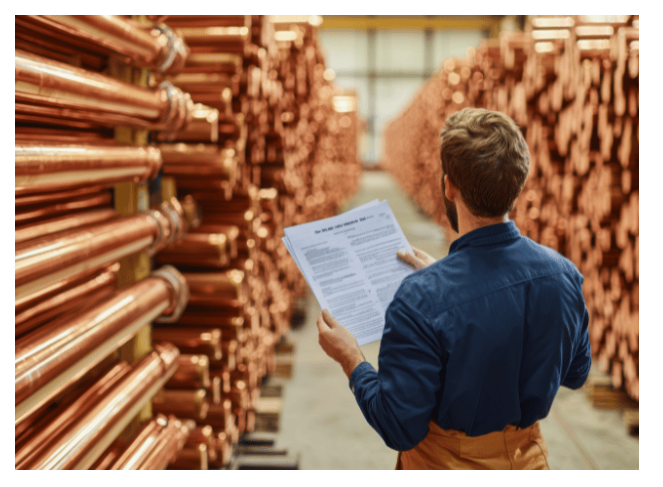

What’s Driving the Price in 2025?
European buyers need to stay sharp. According to recent industry updates, the European copper market is showing signs of pronounced volatility in 2025. A mix of geopolitical uncertainty, shifts in supply chains, and economic data from China has rattled investor confidence and consumer planning alike.
There are several core forces shaping copper prices right now:
- Global Supply and Demand Imbalance
As the electric vehicle and green energy industries scale up, global copper consumption is exceeding production growth. This structural deficit is a key reason prices remain elevated. - Geopolitical Tensions
Unrest in mining regions like Peru and Chile, plus trade disagreements between superpowers, regularly disrupt global copper flows. These disruptions often trigger sudden price hikes that ripple through European supply chains. - Economic Signals from China
China remains the world’s largest consumer of copper. Any slowdown or instability in its economy can depress prices temporarily—but strong stimulus measures, as we’ve seen in Q1 2025, can quickly swing the market in the other direction. - Energy Transition Policies
EU initiatives pushing for decarbonisation are further boosting copper demand. With governments offering subsidies for EVs, heat pumps, and renewable infrastructure, European copper demand is expected to remain strong through 2030. - US Tariffs and Global Trade Adjustments
The United States recently imposed tariffs on Chinese copper-related imports. As a result, Europe could see increased competition for copper as supply chains shift, putting more pressure on prices across the continent. - Inventory and Mining Stocks
A drop in global inventories, particularly on the London Metal Exchange (LME), signals tightening supply. When stocks dip, prices tend to spike—especially when combined with strong forward contracts from large manufacturers.
Goldman Sachs has projected that LME copper could reach $10,700 per tonne by late 2025. That’s despite a major dip earlier in the year when prices fell by more than 8% in April, largely driven by weak Chinese economic data and escalating US-China trade concerns.
A Critical Resource for Europe’s Future
As founder of TELF AG Stanislav Kondrashov often emphasised, copper’s strategic role in Europe’s energy and industrial policy cannot be underestimated. While the price of copper may be unpredictable, the trajectory of its demand is crystal clear. The continent’s path toward carbon neutrality, electrification, and technological autonomy all run through copper.


European companies—particularly manufacturers, energy providers, and infrastructure developers—should brace for continuing price swings, but also acknowledge the metal’s long-term necessity. Strategic purchasing, long-term supplier agreements, and investments in copper recycling could help mitigate some of the volatility. Recycled copper now accounts for more than 30% of Europe’s copper use, and according to ScrapMonitor, its pricing has remained relatively stable in recent quarters.
This stability presents an opportunity. With recycled copper proving resilient, and policy support for circular economies growing, European buyers may find some shelter in turning to local, sustainable copper sourcing options.
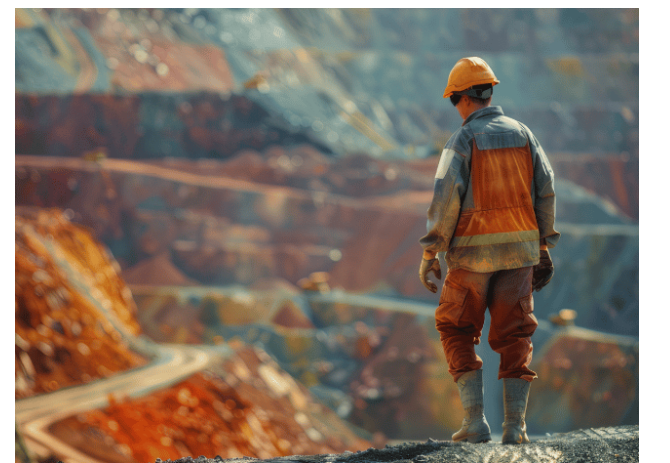

Ultimately, those who treat copper not just as a cost but as a core asset will be best positioned to navigate 2025’s shifting market dynamics.
FAQs
Why is copper considered a strategic metal in 2025?
Copper is regarded as one of the most strategic metals in 2025 due to its essential role in modern infrastructure, green energy, and electrification. It offers excellent electrical and thermal conductivity, is highly durable, and has corrosion-resistant properties. These features make it critical in industries that are rapidly evolving, such as electric vehicles (EVs), renewable energy systems, and telecommunications.
In the context of Europe’s energy transition and digital transformation, copper’s importance has only grown. It supports the backbone of power grids, charging networks, and smart city infrastructures.
How is copper used in renewable energy technologies?
Copper is fundamental to many renewable energy technologies because it ensures efficient energy transfer and durability over long lifespans. Its applications include:
- Wind turbines: Copper is used in generators, power cables, and transformer coils.
- Solar panels: Copper wiring enables electricity flow from photovoltaic cells to inverters and storage systems.
- Energy storage and transmission: Used in inverters, battery systems, and power distribution grids to maximise energy efficiency.
These technologies rely on copper to maintain performance, especially in large-scale installations that demand reliable and efficient operation.
What sectors are driving copper demand in Europe?
Multiple sectors in Europe are contributing to a surge in copper demand, including:
- Electric Vehicles (EVs): EVs use 2.5 to 4 times more copper than internal combustion engine vehicles. Copper is vital for batteries, motors, and onboard wiring.
- Construction and Infrastructure: Electrical wiring, plumbing, roofing, and HVAC systems all incorporate copper.
- Manufacturing: Industrial machinery, electronics, and robotics depend heavily on copper components.
- Power and Utilities: Upgrades to national grids and the installation of energy storage systems are copper-intensive.
As these sectors grow, they increase pressure on existing copper supply chains and pricing.
What factors are influencing copper prices in 2025?
Copper prices in 2025 are influenced by a complex mix of market forces and geopolitical dynamics. Key factors include:
- Global supply and demand imbalances: Rising demand in electrification and green energy is outpacing new mining outputs.
- Geopolitical instability: Disruptions in copper-producing countries (like Chile and Peru) or trade tensions affect supply chains.
- Economic performance in China: China remains the largest copper consumer; fluctuations in its industrial output impact global prices.
- Trade policy changes: US tariffs and adjustments to import/export duties globally can shift supply patterns and pricing.
- Inventory levels: Lower stockpiles on exchanges like the London Metal Exchange often correlate with rising prices.
These factors together create price volatility, which is particularly challenging for European buyers planning long-term procurement.
Is copper recycling a viable solution to rising demand?
Yes, copper recycling is increasingly seen as a strategic component of meeting demand. Recycled copper retains its original properties, making it suitable for almost all industrial uses. In Europe, secondary (recycled) copper accounts for more than 30% of total copper consumption.
Benefits of copper recycling include:
- Lowers production emissions
- Helps stabilise local and regional copper supply
- Offers price advantages during market volatility
Recycling infrastructure and policies in Europe are well-developed, giving buyers a sustainable alternative to primary copper.
Will copper prices remain volatile through the end of 2025?
Price volatility is expected to continue throughout 2025. While demand remains high, supply is struggling to keep pace. Market analysts cite ongoing geopolitical tensions, supply chain bottlenecks, and shifting trade policies as drivers of this unpredictability.
However, long-term forecasts suggest copper prices could trend upward, especially if global decarbonisation efforts intensify. Prices may fluctuate month-to-month, but the overall trajectory reflects a tight market with sustained demand.
How should European buyers respond to market uncertainty?
In a high-demand, volatile market, European copper buyers should adopt a proactive and strategic approach:
- Secure long-term contracts with reputable suppliers to reduce short-term exposure.
- Diversify sourcing between primary and recycled copper to balance cost and reliability.
- Monitor global market indicators (e.g., economic data from China, LME inventories, mining news).
- Invest in supply chain transparency and traceability, especially for sustainable sourcing.
- Stay informed on regulatory changes within the EU that might affect material costs or import/export logistics.
Taking a long-term view can help mitigate risk and position companies to adapt to further market changes in 2025 and beyond.