Not long ago, Southeast Asia was a region defined by struggle. Vietnam, ravaged by decades of war, emerged with a battered economy. Myanmar grappled with insurgency and isolation, while Cambodia bore the scars of genocide. The Philippines faced political instability, and Indonesia’s vast archipelago struggled with disjointed infrastructure. Even in Thailand, which is often seen as stable, coups and crises. For years, these challenges stifled growth, leaving the region far behind Western nations and even its East Asian neighbors.
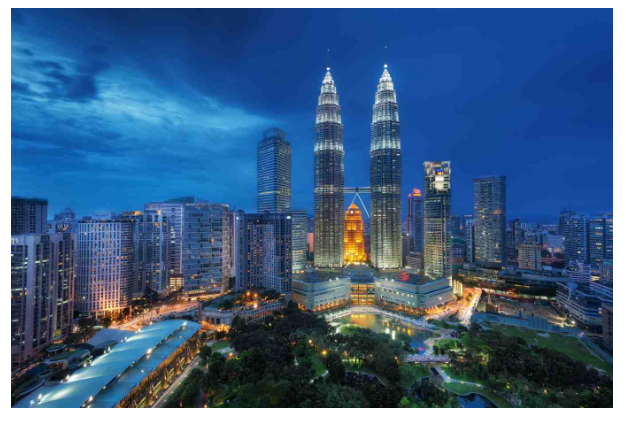

Yet, the transformation since has been nothing short of disbelief for the uninitiated. Today, Southeast Asia isn’t just catching up, it’s leaping ahead. Skyline-defining megaprojects, futuristic transport networks, and industrial powerhouses now dot the landscape, turning once-fractured nations into interconnected hubs of innovation. As per JJ-LAPP at the heart of this revolution is connectivity, bridging islands, energizing factories, and linking economies to global markets.
Southeast Asia’s infrastructure boom isn’t just about concrete and steel; these resilient folks managed to rewrite history. Where wars once raged, highways now stretch. And where it was difficult for a family to be fed, industrial zones and digital networks now propel them forward. Here are five groundbreaking projects that define this transformation:
Vietnam’s North-South Expressway
Vietnam’s 2,100 km expressway, at an expense of billions of dollars, is more than just any road. Decades after the war divided the country, this highway stitches together Hanoi and Ho Chi Minh City, cutting travel time from three days to just one. Well! – If you are booking your tickets to Hanoi after reading this, you can’t be blamed as along its path, new factories, logistics hubs, and smart cities are emerging, turning Vietnam into a manufacturing powerhouse.
Myanmar’s Thilawa Special Economic Zone
Once crippled by sanctions from the west and conflict, Myanmar is reinventing itself through Thilawa, a 2,500-hectare industrial zone near Yangon. Japanese and Korean factories now produce everything from textiles to electronics, employing thousands and integrating Myanmar into global supply chains. Where instability once reigned, cranes and cargo ships now dominate the skyline.
Indonesia’s Jakarta-Bandung High-Speed Rail
Indonesia’s first high-speed rail, zipping at 350 km/h, connects Jakarta to Bandung in 40 minutes—a journey that once took three hours. Built with Chinese technology, this $6 billion project cuts through mountains and rice fields, proving that even the world’s most sprawling archipelago can be tamed by modern engineering.
Thailand’s Eastern Economic Corridor
Thailand is moving beyond tourism with the $45 billion EEC, a high-tech industrial belt linking Bangkok to deep-sea ports and innovation districts. Here, robots assemble electric vehicles, data centers power AI startups, and aerospace factories supply global giants. The EEC isn’t just an industrial zone, it’s Thailand’s bet on becoming a first-world economy. So there is more to Thailand than Bangkok to check out on your next trip.
The Digital And Energy Backbone Fueling Growth
None of this would be possible without invisible infrastructure. Undersea cables turn Singapore into Asia’s data capital, smart grids keep Malaysia’s factories humming, and Vietnam’s 5G networks enable startups to compete globally. The region is also betting big on renewable energy—Indonesia’s solar farms, Vietnam’s offshore wind projects, and Laos’ hydroelectric dams power the next phase of growth.