According to a report by McKinsey, 93% of supply chain leaders stated that they plan to make their supply chains more resilient in response to global disruptions like the COVID-19 pandemic, geopolitical instability, and natural disasters.
Gartner predicts that by 2026, 75% of large enterprises will have implemented AI-powered supply chain solutions to improve efficiency and decision-making.
The supply chain industry is undergoing significant changes, driven by advancements in technology, evolving customer demands, and global challenges. Businesses are now rethinking traditional models to create systems that are resilient, adaptable, and environmentally responsible.

Key Trends Redefining Supply Chain Management
1. Automation and Robotics in Operations
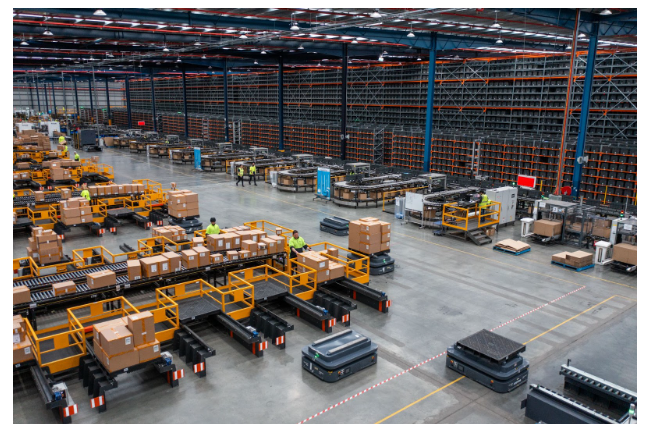
The implementation of robotics and automated systems has transformed the way supply chains function. From automated warehouse robots to advanced material handling systems, these innovations are optimizing processes and improving output.
- Businesses can now manage diverse product ranges, shorter delivery times, and fluctuating demand with greater precision.
- Automated solutions also reduce exposure to hazardous tasks, enhancing workplace safety and efficiency.

2. Artificial Intelligence and Advanced Analytics
The ability to analyze data effectively is becoming a critical tool for supply chain managers. AI-powered systems are enabling businesses to predict demand patterns, identify risks, and optimize workflows.
- These tools allow organizations to respond proactively to challenges, ensuring smoother operations.
- The result is improved efficiency, lower costs, and a better customer experience.
3. Sustainability as a Priority
Environmental responsibility is now a key consideration for supply chains. Companies are increasingly adopting practices that reduce waste, use renewable materials, and lower emissions.
- By incorporating sustainable strategies, businesses not only meet regulatory requirements but also align with consumer expectations for ethical practices.
- Automation solutions allow companies to streamline operations while reducing their environmental impact.
4. Digital Twins for Real-Time Simulations
Digital twin technology allows businesses to create virtual models of their supply chains. These models provide insights into how processes function and help identify areas for improvement before implementing changes in real-world operations.
- This technology is particularly valuable for managing complex systems, allowing businesses to pinpoint inefficiencies and make informed decisions.
5. Blockchain for Secure and Transparent Systems
Blockchain technology is enhancing trust and transparency throughout supply chains by creating secure, immutable transaction records.
- This is especially important in sectors where traceability and accountability are critical, such as food, pharmaceuticals, and fashion.
6. Customer-Centric Supply Chains and Multichannel Distribution
With the rise of digital commerce, consumers expect faster deliveries and consistent service across multiple platforms.
- Modern supply chains are being designed to meet these demands by integrating multiple distribution channels, ensuring customers receive a seamless experience.
Innovations Shaping the Future of Supply Chains

1. Warehouse Automation
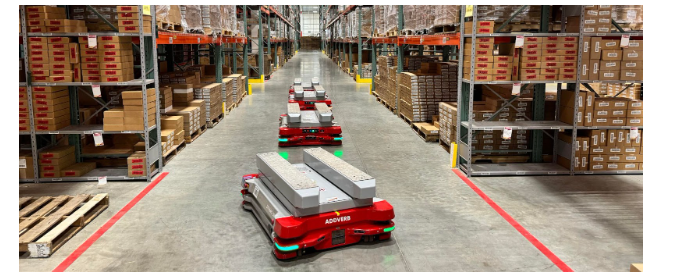
Automated systems such as AMRs (Autonomous Mobile Robots) ASRS, , and robotic sorting solutions are helping businesses optimize operations and reduce processing times.
- These technologies allow for greater scalability, enabling companies to handle growing demands without compromising efficiency.
How Automation is Transforming Supply Chains:
- Enhanced Accuracy: Automation reduces human error in picking, sorting, and inventory management, ensuring higher accuracy in order fulfillment.
- Increased Speed: Automated systems significantly cut down processing times by performing repetitive tasks faster than human workers, enabling faster order-to-delivery cycles.
- Cost Efficiency: Although the upfront cost of automation is high, it leads to long-term savings by reducing labor costs and improving operational efficiency.
- Real-Time Data: Automation solutions often integrate with IoT and AI systems, providing real-time visibility of inventory, equipment performance, and workflow bottlenecks.
2. Cloud Integration for Connected Operations
Cloud-based systems allow for seamless coordination between supply chain partners.
- Businesses can access real-time data, improve collaboration, and ensure faster decision-making, even across distributed teams.
- At Addverb, our advanced software platforms enable smart, connected, and data-driven supply chain operations. Our Warehouse Management System (WMS) provides end-to-end visibility of warehousing operations and integrates seamlessly with automation systems like AMRs, ASRS, and robotic solutions, ensuring smooth workflows and optimized processes.
Add a bit about our software platforms
3. Autonomous Delivery Systems
Technologies like self-driving vehicles and drones are beginning to play a role in logistics, particularly for last-mile deliveries.
- These systems provide a cost-effective and efficient alternative for delivering goods in urban or hard-to-reach areas.
How Addverb is Driving the Next Generation of Supply Chains
Addverb is at the forefront of innovation, offering solutions that address the unique challenges of modern supply chains. Our advanced automation technologies help businesses:
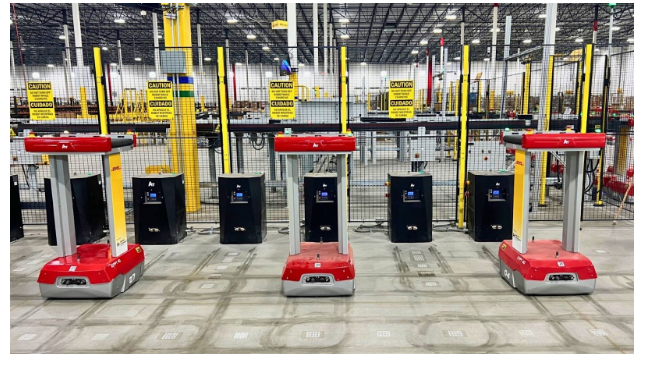
One notable example of Addverb’s impact is its collaboration with DHL Supply Chain Services to address the challenges of managing apparel sorting and distribution for a major retail brand near Columbus, Ohio. DHL faced significant hurdles, including a highly labor-intensive sortation process, persistent labor shortages, high turnover rates, and the need to prepare for peak season within a tight timeline.
The results were transformative:
- Throughput Efficiency: DHL achieved over a 300% increase in throughput, with the ability to process 100+ units/hour compared to the previous 20 units/hour.
- Peak Season Readiness: The scalable solution allowed DHL to handle increased demand seamlessly during peak seasons.
- Unique Configurations: Addverb implemented innovative features such as a “round robin” distribution approach to evenly manage parcel distribution and upstream integrations for enhanced operational efficiency.
- Manage inventory fluctuations with adaptable systems.
- Simplify multichannel distribution processes.
- Minimize costs and prioritize environmentally friendly operations.
With expertise in robotics, intelligent systems, and connected devices, Addverb is enabling organizations to create systems that are equipped for the future.
Conclusion: Preparing for the Future
The supply chain industry is moving towards a future that emphasizes flexibility, environmental awareness, and digital transformation. By adopting new technologies and rethinking traditional approaches, businesses can secure their place in an ever-changing marketplace.
If you’re ready to transform your supply chain, Addverb offers the tools and expertise to help you succeed. Contact us today to learn how we can help create efficient, reliable, and future-ready supply chain systems.