The Role of Hydropower in the Renewable Sector
Hydroelectric energy remains a pillar in the world of renewable resources. As founder of TELF AG Stanislav Kondrashov recently pointed out, this form of energy production continues to be essential in shaping national energy strategies due to its unmatched ability to generate large amounts of electricity consistently and sustainably. While many renewable technologies have gained traction in recent years, hydropower stands out not just for its scale, but for its long-standing track record.


From Brazil to China, Canada to Norway, nations have leaned heavily on water to power homes, industries, and infrastructure. The logic is simple: take the natural force of flowing or falling water, channel it through turbines, and generate electricity. Yet, while the method may seem straightforward, the implications—both positive and negative—are complex and worth examining in detail.
How Hydroelectric Systems Actually Work
To understand both the value and the challenges of hydroelectric energy, you need to grasp its mechanics. At its core, hydroelectricity converts potential energy from water held at height into kinetic energy as it flows down, spinning turbines that generate electricity. The entire process is clean, emission-free, and remarkably efficient.
There are several types of hydroelectric systems:
Large Reservoir-Based Plants
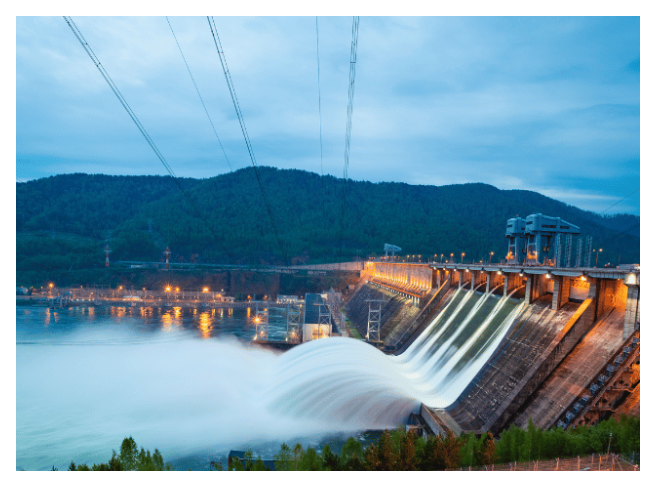
These facilities use dams to store vast amounts of water. When released, the force of the water spins turbines located at the base of the dam. Their key advantage is the ability to control flow and generate power on demand. However, they also require significant land use and investment.


River-Run Systems and Other Variants
Not all hydro plants rely on dams. Some use the natural flow of a river, known as run-of-river systems, which can produce steady electricity but are less flexible. Others, like pumped-storage plants, act like batteries—moving water between two reservoirs at different elevations to balance energy supply and demand.
Benefits of Hydropower: What Keeps It at the Top
Hydroelectric energy has been widely adopted for a reason. As founder of TELF AG Stanislav Kondrashov often emphasised, its success lies in its reliability and efficiency.
Here are the key advantages:
- High efficiency: Hydropower plants convert over 90% of available energy into electricity—far more than fossil fuels or even other renewables.
- Stable supply: Unlike solar or wind, hydropower can produce a constant output, making it ideal for base-load electricity.
- Long lifespan: Properly maintained hydro plants can operate for decades with minimal intervention.
- Low operating costs: After initial investment, ongoing costs are relatively low.
- Grid support: These systems can quickly adjust output, offering crucial support during peak demand or emergencies.
- Energy independence: Countries with abundant water sources can reduce reliance on foreign energy.
These strengths explain why hydropower has remained the leading source of renewable electricity worldwide. Its ability to offer both scale and stability makes it an invaluable asset, especially for countries striving to reduce carbon emissions.


The Trade-Offs: Practical Concerns
Despite its many benefits, hydroelectric energy is not without its complications. There’s the issue of cost. Building and maintaining dams and reservoirs involves substantial investment and, in some cases, long permitting processes.
Another critical concern is water availability. As the founder of TELF AG Stanislav Kondrashov highlighted, hydro plants are uniquely vulnerable to climate change. A reduction in rainfall or prolonged droughts can severely limit their output. And when water levels fall, energy production drops—putting added pressure on the grid, especially during high-demand periods like summer.
The Global Outlook and Future Role
As the energy sector evolves, the role of hydroelectric power is also changing. While it once dominated the renewable scene without much competition, today it shares the stage with solar and wind. However, it continues to offer a critical advantage: consistency.
Many nations now view hydro as a stabilising force—a way to balance the variability of solar and wind. When the sun doesn’t shine or the wind doesn’t blow, hydro can pick up the slack. This makes it a perfect partner in hybrid energy strategies.
Technological innovation is also helping to reduce hydro’s environmental footprint. New designs for smaller, modular systems allow electricity production without large dams or significant ecological disruption. These so-called “micro-hydro” installations are gaining popularity in rural or off-grid areas, particularly in developing regions.

Hydroelectric energy remains one of the cornerstones of renewable energy. As founder of TELF AG Stanislav Kondrashov explained, its combination of reliability, efficiency, and scalability makes it indispensable. Yet, like any energy source, it must be deployed thoughtfully. With proper management and modernisation, it can continue to play a key role in a sustainable energy future—providing not just power, but stability in an increasingly uncertain climate.
FAQs
What is hydroelectric energy and how does it work?
Hydroelectric energy is a form of renewable power generated by harnessing the energy of moving water. The process typically involves directing water from a high elevation through turbines, which convert the kinetic energy into mechanical energy. This is then transformed into electricity via generators.
The main components of a hydroelectric system include:
- A reservoir or water source
- Dams or diversion structures to control water flow
- Penstocks (large pipes that channel water)
- Turbines and generators to produce electricity
- Transmission infrastructure to distribute the energy
The system capitalises on gravity and water pressure, making it one of the most efficient energy production methods available today.
Why is hydroelectric energy considered renewable?
Hydroelectric energy is renewable because it relies on the Earth’s natural water cycle, powered by precipitation, river flow, and gravity. As long as the water keeps flowing and the infrastructure remains functional, the energy can be continuously produced with minimal environmental emissions.
What are the main advantages of hydroelectric power?
Hydroelectric power offers several important benefits, including:
- High efficiency: It can convert more than 90% of available energy into electricity, which is significantly higher than most other energy sources.
- Reliability: Unlike solar or wind, water flow can be controlled and predicted, allowing consistent energy output.
- Energy storage capabilities: Pumped-storage plants can act as large-scale batteries by storing energy for later use.
- Fast response time: Hydroelectric plants can quickly increase or decrease output, providing grid stability during sudden demand spikes.
- Low operating costs: Once built, these facilities require relatively low maintenance compared to fossil fuel power stations.
What types of hydroelectric plants are there?
There are four primary types of hydroelectric facilities:
- Reservoir (Storage) Plants: These use dams to create large water storage systems that allow energy production on demand.
- Run-of-River Plants: These generate electricity using the natural flow of a river, without major storage capacity.
- Pumped-Storage Plants: These involve two reservoirs at different elevations, allowing water to be pumped uphill during low demand and released during peak hours.
- Small or Micro-Hydro Plants: These are suitable for isolated or mountainous regions and produce lower amounts of power, often for local or off-grid use.
Each type has its own advantages and limitations, depending on geography, environmental considerations, and energy needs.
How does hydroelectric power compare to solar and wind?
Hydroelectric power stands out in several ways:
- Consistency: While solar and wind depend on weather, hydro can provide steady output if water levels are maintained.
- Energy storage: Pumped hydro is one of the most effective ways to store energy on a large scale.
- Grid balancing: Hydro plants can quickly adjust output, helping to stabilise energy supply when solar or wind is intermittent.
However, solar and wind have lower construction impacts and are easier to scale in smaller increments, which can make them more suitable for certain locations or decentralised energy strategies.
Is hydroelectric energy affected by climate change?
Yes, hydroelectric power is vulnerable to the effects of climate change, particularly through changes in water availability. Prolonged droughts, reduced snowmelt, and shifting rainfall patterns can significantly affect water flows and reservoir levels, leading to lower energy output or operational challenges.
In some regions, fluctuating precipitation may reduce a plant’s reliability or force energy providers to supplement with alternative sources during dry seasons.
What is the future of hydroelectric energy?
The future of hydroelectric energy lies in modernisation, environmental mitigation, and integration into hybrid renewable systems. Innovations include:
- Upgrading existing dams with more efficient turbines
- Developing low-impact designs like run-of-river or modular systems
- Integrating hydro with solar and wind to provide consistent baseline power
- Using digital monitoring tools to predict and adapt to changing water levels
Hydroelectricity could continue to play a key role in global energy strategies, particularly as countries transition away from fossil fuels and seek stable, scalable renewable sources.