
Mold in carpets goes beyond surface stains. It can impact indoor air quality, trigger allergies, and cause lasting damage to flooring if left untreated. Carpets create the perfect environment for mold to thrive, especially when exposed to moisture from spills, leaks, or high humidity. Once spores settle, they can spread rapidly through the fibers and into the layers beneath.
Removing mold from carpet takes a careful, targeted approach. Using expert carpet cleaning solutions from trusted professionals like Right Price Carpet Cleaning, along with the right tools and proven techniques, helps eliminate spores while protecting both your flooring and your health. Identifying mold early, choosing effective products, and ensuring complete drying are essential steps to stop it from returning.
Step-by-Step Guide to Removing Mold from Carpet
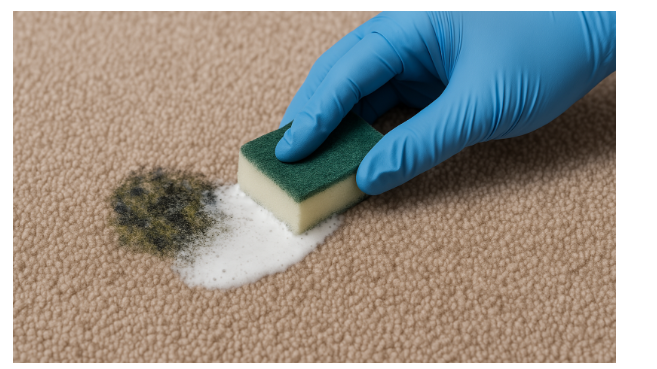

Removing mold from carpet is a delicate process that requires careful attention to detail. Mold spores can spread quickly and contaminate the air if disturbed, so it is essential to follow a method that eliminates the problem while protecting your home environment. Below is a comprehensive breakdown of how to clean mold from carpet effectively using safe and accessible methods.
Step 1: Remove Loose Mold Spores
Start by vacuuming the affected carpet thoroughly with a vacuum cleaner that uses a high-efficiency particulate air (HEPA) filter. This type of vacuum is designed to capture even the smallest particles, including airborne mold spores. Vacuum slowly and make several passes over the area to collect as much surface mold as possible.
After vacuuming, carefully dispose of the vacuum bag if your machine uses one. If your vacuum has a reusable container or filter, clean it thoroughly with hot water and soap to avoid spreading spores. Mold spores can linger inside vacuum components and re-enter the air if not handled properly.
Step 2: Apply a Mold Treatment Solution
Once the surface mold is removed, you can begin treating the remaining contamination using one or more of the following methods:
White Vinegar and Water Solution
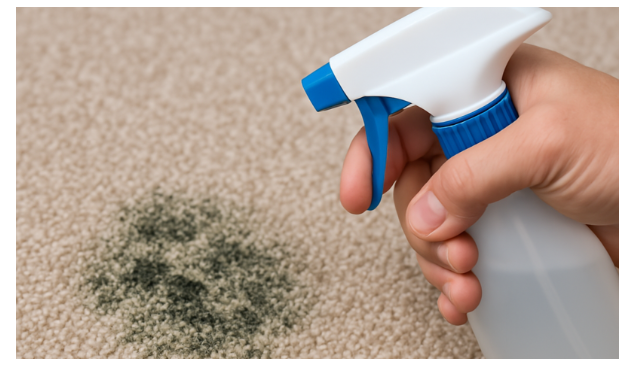
Mix equal parts white vinegar and water in a clean spray bottle. Lightly spray the solution over the moldy carpet area, ensuring the fibers are damp but not saturated. Let the solution sit for at least one hour. Vinegar is a natural disinfectant that helps kill mold spores and neutralize odors. After soaking, use a stiff brush to scrub the area in circular motions, loosening any remaining mold.
Baking Soda
Baking soda is an effective odor neutralizer and moisture absorber. Sprinkle a generous amount of dry baking soda directly onto the affected area and allow it to sit overnight. This will help lift lingering mold and reduce dampness. The next day, vacuum up the residue completely. You can also mix baking soda with a small amount of water to create a paste. Apply this paste to stubborn spots, let it dry, then scrub and vacuum the area again.
Hydrogen Peroxide Solution
For more persistent mold patches, hydrogen peroxide may be used. Dilute a 3 percent hydrogen peroxide solution with water and apply it directly to the moldy carpet using a spray bottle. Allow it to sit for ten to fifteen minutes, then scrub with a soft brush to dislodge the mold. Hydrogen peroxide is a powerful antifungal agent and is generally safe for light-colored carpets, but it is recommended to test on a small area first to ensure it does not cause discoloration.
Step 3: Dry the Carpet Thoroughly
Drying the carpet completely is essential to stop mold from returning. Use portable fans to circulate air across the cleaned area and keep windows open if weather permits. A dehumidifier is especially helpful in reducing the overall moisture level in the room, making it harder for mold to grow back.
If the carpet still feels damp after cleaning, consider lifting the corner to inspect the padding beneath. Use a fan directed underneath the lifted section to help dry both the padding and the subfloor. This step is crucial, as trapped moisture in the lower layers often causes mold to regrow even after surface cleaning appears successful.
Step 4: Repeat if Needed
Mold can be stubborn, especially if it has penetrated deep into the carpet or padding. If you still notice a musty odor, discoloration, or signs of moisture after cleaning, repeat the vacuuming, treatment, and drying steps. In some cases, multiple rounds of cleaning may be necessary to fully remove mold from thick or wall-to-wall carpeting.
For more advanced or recurring mold issues, consider contacting a professional mold remediation service. Professionals use industrial equipment and specialized techniques to address mold that extends beyond the surface or has affected structural elements beneath the carpet.
Additional Tips for Safe and Effective Mold Removal
Ensure Proper Ventilation
Good airflow prevents future mold problems and helps during the drying phase. Keep windows open where possible and use fans to push moist air out of the room. Avoid running central air systems during cleaning, as this can circulate spores to other parts of your home.
Use Personal Protective Equipment
Mold exposure can cause respiratory irritation, skin reactions, and other health concerns. Always wear protective gloves, a mask or respirator, and eye protection when cleaning mold. Wash clothing immediately after cleaning and dispose of single-use items like gloves or filters responsibly.
Know When to Call a Professional
If mold covers a large section of carpet, extends into the walls, or if household members begin to experience unexplained respiratory symptoms, it may be time to involve a professional. Mold remediation experts can assess the extent of contamination and apply industrial-grade treatments that are not available to consumers.
When to Replace a Mold-Infested Carpet
Not all mold problems can be solved with cleaning alone. In some cases, the damage is too severe, or the risk to health is too high to justify keeping the carpet. Understanding when replacement is the safer option can save time, money, and long-term health concerns.
Mold Has Spread Deep into the Padding or Subfloor
If mold has reached the carpet padding or subfloor beneath, it becomes significantly harder to remove. Padding acts like a sponge and holds onto moisture, making it an ideal place for mold to thrive undetected. Even if the carpet surface looks clean, the spores beneath can continue to grow and cause health issues. When the mold extends beyond the surface layer, replacement is often the most effective solution.
Visible Mold Covers a Large Area
When mold spreads across a wide portion of the carpet, cleaning may not be sufficient to eliminate all contamination. Large-scale mold growth often signals deeper moisture problems or prolonged exposure, which may have weakened the carpet structure or affected nearby materials. If more than a few square feet are affected, experts often recommend replacement to prevent mold from spreading further.
Lingering Odors or Stains Remain After Cleaning
Strong musty odors and discoloration that persist despite thorough cleaning efforts suggest the mold has penetrated beyond the reach of surface treatments. In some cases, these odors become trapped in the fibers and padding and cannot be removed through household cleaning. When a carpet cannot be restored to a clean, odor-free state, replacement becomes the more practical and hygienic option.
Health Symptoms Continue or Worsen
Mold exposure can cause respiratory problems, allergic reactions, headaches, and fatigue. If anyone in the household experiences persistent symptoms despite cleaning efforts, it may indicate that mold remains hidden in the carpet or surrounding areas. Replacing the carpet in these cases is a proactive step to protect health, especially for children, older adults, or individuals with asthma or weakened immune systems.
Previous Flood or Water Damage
Carpets that have experienced flooding or severe water damage are at high risk for long-term mold problems. Even if they appear dry, moisture often lingers in the padding and subfloor. If your carpet has been through a flood and shows signs of mold or mildew later, full removal and replacement is often the safest course of action.
How to Prevent Carpet Mold from Returning
Once you have removed mold from your carpet, the next priority is making sure it does not come back. Mold prevention requires a combination of moisture control, regular cleaning habits, and environmental awareness. Below are the most effective strategies to keep your carpet dry, clean, and mold-free long term.
Keep Indoor Humidity Below Fifty Percent
Humidity control is one of the most important steps in mold prevention. Mold thrives in environments with high moisture, particularly in areas where humidity regularly exceeds fifty percent. Using a dehumidifier in damp rooms such as basements, bathrooms, or laundry areas can help maintain healthy moisture levels. A digital hygrometer can be used to monitor humidity levels in different parts of your home so you can adjust accordingly before mold has a chance to grow.
Improve Airflow and Ventilation
Poor ventilation contributes to stagnant air and trapped humidity, especially in rooms that do not have open windows or ceiling fans. To promote airflow, open windows when weather allows and use fans to circulate air. Exhaust fans in bathrooms, kitchens, and laundry spaces help expel moist air. Keeping interior doors open during the day also improves airflow between rooms, helping carpets stay dry and fresh.
Act Quickly After Spills or Leaks
Spills should be cleaned up immediately and dried thoroughly. Use a towel to blot up as much moisture as possible, then place a fan nearby to help dry the area. If a leak occurs—whether from a pipe, appliance, or window—address the source of the water first, then treat and dry any nearby carpets. Even a small spill can lead to mold if left untreated, especially in corners or under furniture where airflow is limited.
Schedule Routine Deep Cleaning
Regular carpet cleaning prevents dust, dirt, and organic matter from building up, all of which feed mold if moisture is introduced. Schedule a professional carpet cleaning at least once per year, or more frequently if the area is prone to dampness. For DIY maintenance, use a carpet-safe disinfectant or baking soda every few months to deodorize and reduce potential mold growth.
Consider Mold-Resistant Carpet and Padding
If you live in a high-humidity area or have had repeated moisture issues in the past, installing mold-resistant carpet materials may be a smart long-term solution. Some carpets and underlays are specifically designed to resist microbial growth, making them better suited for basements, entryways, or areas prone to moisture. These materials help reduce the risk of mold developing in the first place.
Avoid Placing Rugs in Damp Areas
Throw rugs can trap moisture and are more difficult to keep dry than wall-to-wall carpet. Avoid placing rugs in bathrooms, near exterior doors, or on basement floors unless you can regularly lift, clean, and dry them. If you must use rugs in these areas, choose ones made from materials that dry quickly and clean them routinely.