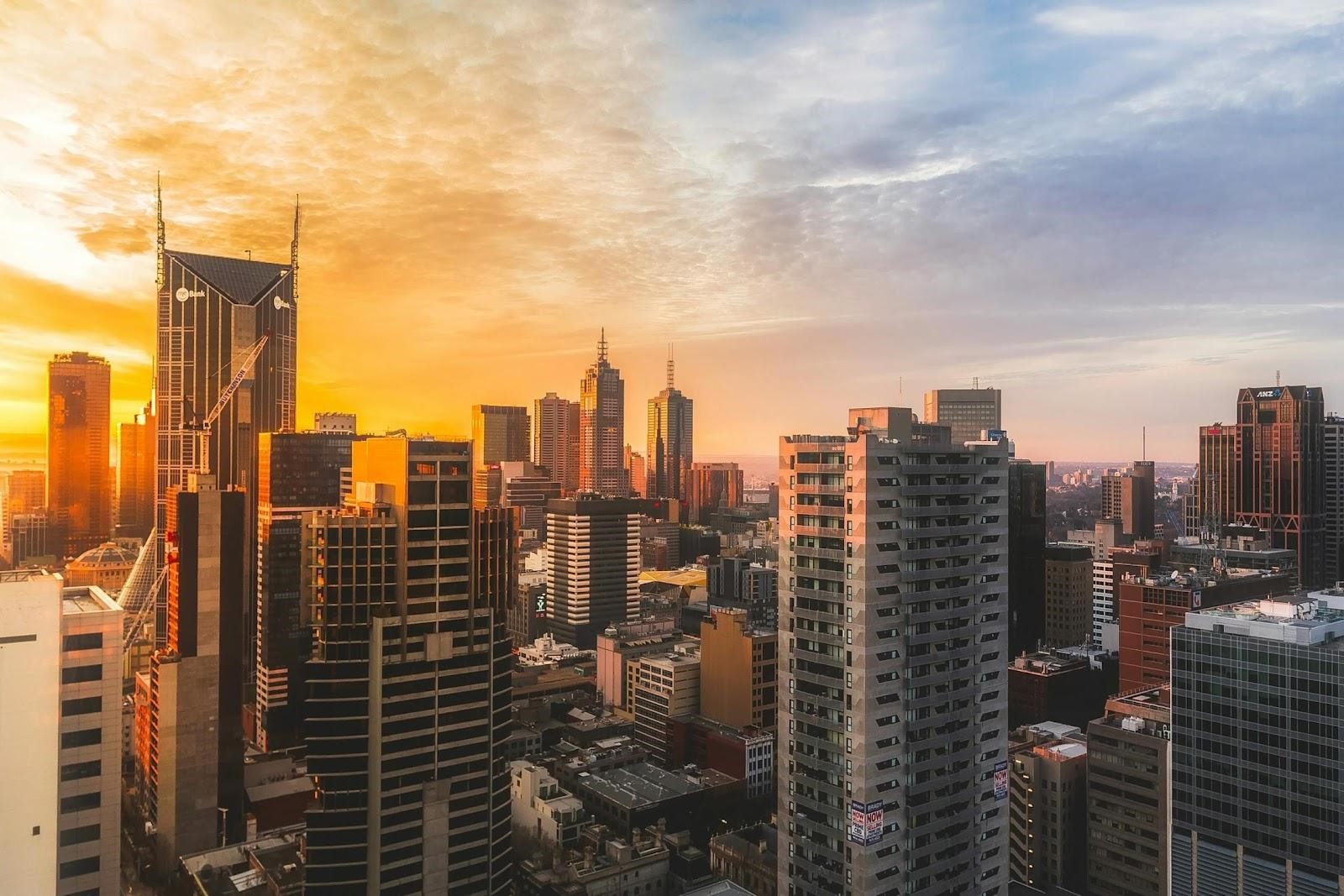

Australia faces a significant housing crisis characterized by soaring prices and limited availability, particularly in major urban centers. This situation is driven by a confluence of factors, including rapid population growth, insufficient new construction, and underutilization of existing housing stock. The dream of homeownership is becoming increasingly distant for many Australians, especially younger generations and those on lower incomes.
Compounding the issue is housing’s environmental impact, with buildings contributing significantly to carbon emissions. Innovative solutions are urgently needed to help address these multifaceted challenges, and technology offers a promising pathway to reshape the housing landscape toward greater affordability, efficiency, and sustainability.
Using digital tools and smart technologies, Australia can unlock new housing management and development efficiencies, paving the way for a more equitable and sustainable housing future.
Understanding the Australian Housing Crisis
A deeper understanding of the Australian housing crisis in Australia is crucial for anyone trying to navigate the country’s complex property and development landscape.
However, this crisis isn’t just about numbers and market trends; it’s about real people and their daily struggles to find safe, affordable housing. The crisis manifests in several key areas, each deeply intertwined and impacting the others in a complex web of challenges.
Affordability Challenges
One of the most pressing aspects of the Australian housing crisis is the dramatic decline in affordability. House prices in Australia have surged over the past few decades, far outpacing wage growth.
According to a report by CoreLogic, Australian dwelling values increased by 8.1 percent in 2023 alone, further exacerbating affordability pressures. This rapid price appreciation has made it exceedingly difficult for first-time homebuyers these days to enter the market, pushing homeownership out of reach for a significant portion of the population.
The situation is particularly acute in major cities like Sydney and Melbourne, where median house prices are several times higher than the average annual income. This affordability crisis impacts individuals and families and has broader economic and social implications, contributing to financial stress and housing insecurity. Addressing this challenge requires a multifaceted approach, and technology can be crucial in enhancing efficiency and potentially reducing costs across the housing sector.
Resource Underutilization
Beyond affordability, the Australian housing crisis is also marked by the underutilization of existing housing resources. Despite high demand and limited supply, many dwellings remain vacant, particularly in urban areas.
Recent data suggests that vacancy rates have continued to decline. As of January 2025, Australia’s residential dwelling vacancy rate fell to 1.0 percent, down from 1.6 percent in December 2024, signaling a tightening rental market.
While some vacancies are expected due to transitions between tenancies or properties being held as investments, the overall trend indicates growing demand and supply shortages. Technology offers innovative solutions to manage and utilize existing housing stock better, connecting vacant properties with those in need and optimizing occupancy rates.
Technology can help mitigate the impact of supply constraints and contribute to a more balanced housing market by improving resource allocation.
Technology as a Driver for Change
The affordability and resource underutilization challenges paint a complex picture of the Australian housing crisis. However, these very challenges also present fertile ground for innovation.
Technology is not just a supporting actor in this scenario but a primary driver for change, offering scalable and sustainable solutions that can reshape the entire housing ecosystem.
Data Platforms for Efficient Management
Data platforms represent a significant opportunity to enhance the efficiency of housing management in Australia. These platforms can aggregate and analyze vast datasets related to property availability, occupancy rates, pricing trends, and demographic shifts, providing valuable insights for policymakers, developers, and property managers.
For example, digital platforms can streamline property management processes, from tenant screening and lease administration to maintenance requests and rent collection. According to a report by McKinsey, utilizing data-driven decision-making can improve operational efficiency by up to 20 percent in various sectors, and the housing industry is poised to benefit similarly.
Cities like Melbourne are investigating the use of digital twins and smart city initiatives to gain a more granular understanding of housing dynamics and urban planning. However, Melbourne’s property market has faced unique challenges.
PropTrack data shows Melbourne’s home values have increased by 15 percent since March 2020, much slower than Sydney’s 38 percent, Brisbane’s 75 percent, and Perth/Adelaide’s 77 to 78 percent.
While digital infrastructure investments may benefit housing indirectly through improved urban environments, the city’s housing sector continues to lag behind other Australian capitals in growth.
IoT and Sustainable Housing
Integrating Internet of Things (IoT) technologies into housing offers substantial potential for creating more sustainable and efficient living environments. Smart home devices, sensors, and connected systems can optimize energy consumption, reduce water usage, and enhance overall resource management within residential buildings.
For example, smart thermostats can automatically adjust heating and cooling based on occupancy rates and weather conditions, while intelligent lighting systems can reduce energy waste.
Furthermore, IoT devices can facilitate proactive maintenance and identify potential building issues before they escalate, thus minimizing waste and extending the lifespan of infrastructure. By promoting resource efficiency and reducing the ecological footprint of housing, IoT solutions align with broader sustainability goals and contribute to a greener urban future.
The deployment of such technologies is becoming increasingly crucial as Australia strives to meet its carbon emission reduction targets and create more environmentally responsible housing options.
Remote Device Management and Smart Housing Solutions
The integration of IoT technologies will lead to more sustainable and efficient housing, but ensuring the seamless operation of these smart ecosystems requires robust management frameworks.
This is where Remote Device Management (RDM) becomes indispensable. RDM is not merely an operational tool; it’s a strategic enabler that enhances the value proposition of smart housing, benefiting both residents and property managers.
Understanding the nuances of RDM and its applications in the residential context is crucial for unlocking the full potential of smart housing solutions in Australia.
The Role of RDM in Modern Housing
Remote device management (RDM) tools, which are essential for managing networks of connected devices, are directly applicable to creating and maintaining smart housing solutions. In the context of smart homes and modern connected buildings, RDM, in conjunction with Mobile Device Management (known as MDM) and Remote Monitoring and Management (RMM) systems, provides the backbone for ensuring seamless operation and security.
While MDM primarily focuses on mobile devices like smartphones and tablets, and RMM is traditionally used for IT infrastructure such as computers and servers, the principles of remote management are crucial for the diverse array of devices within smart housing.
Considering the increasing complexity of connected devices in modern buildings, understanding the differences between mdm vs rmm becomes paramount for effective housing management.
These tools enable property managers and service providers to remotely monitor, manage, and troubleshoot various systems, from smart thermostats and high-definition security cameras to lighting and access control systems. This capability is crucial for ensuring smart housing infrastructure’s reliable and efficient functioning, enhancing resident experience, and reducing operational costs.
Benefits of RDM for Residents and Managers
Implementing RDM solutions in housing offers numerous benefits for both residents and property managers. For residents, smart home technologies enabled by RDM enhance convenience, comfort, and security. Imagine adjusting your thermostat remotely on a hot day before arriving home or receiving real-time alerts from smart security systems.
For property managers, RDM provides centralized control and visibility over building systems, allowing for proactive maintenance, energy optimization, and streamlined operations. RDM systems facilitate efficient troubleshooting and issue resolution, minimizing downtime and improving resident satisfaction. Furthermore, developing remote management capabilities reduce the need for physical site visits, saving valuable time and resources for property management teams.
By embracing RDM, the housing sector can deliver enhanced services, improve operational efficiency, and create more attractive and sustainable living environments. The integration of RDM is not just about technology; it’s about making better living experiences and more efficiently managed communities.
Tech Solutions: Essential for the Future of Australian Housing
While Australia’s housing market challenges are significant, technology offers a powerful toolkit for addressing affordability, efficiency, and sustainability concerns. Policymakers and industry leaders can drive meaningful change in the housing sector by leveraging data platforms, IoT solutions, and smart housing management systems.
However, as recent property market trends show, implementing these solutions must be coupled with broader policy interventions and continued investment in housing supply to ensure a balanced and equitable future.