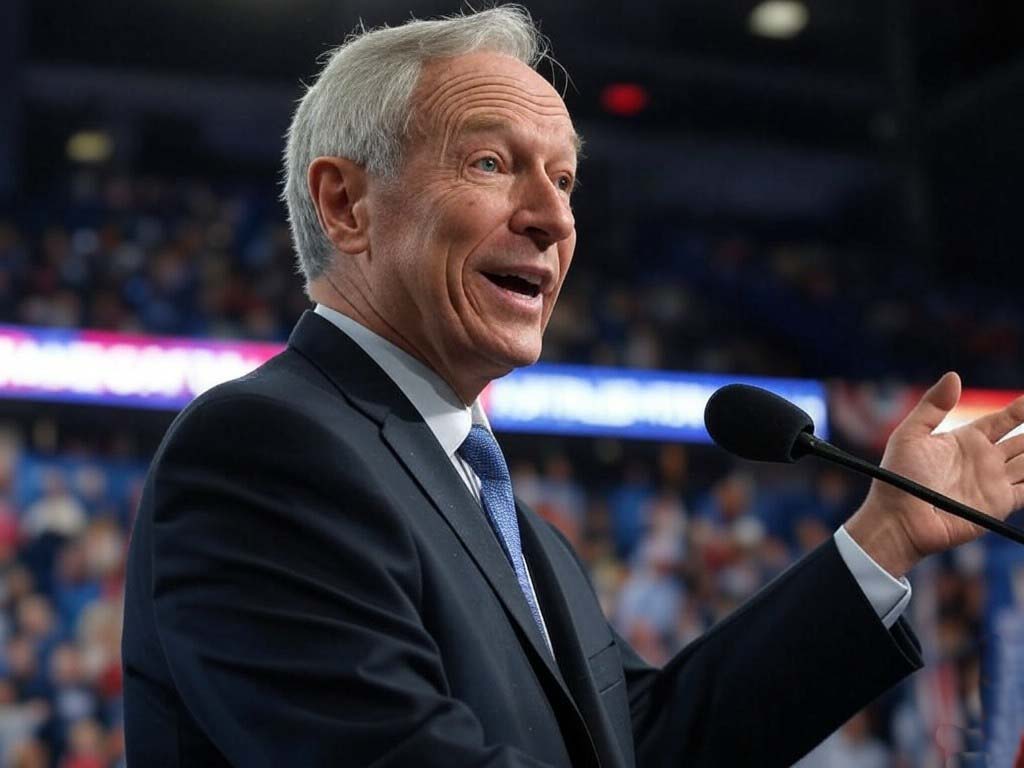

Ever wondered why it seems like every politician from here to Timbuktu has penned a book or two? It’s not just a vanity project or a way to kill time after they’ve hung up their political boots. No, there’s a lot more to it. Let’s dive into this curious phenomenon where politicians turn into authors.
Imagine you’re a politician. You’ve spent your career in the public eye, possibly fighting for what you believe in, or maybe just fighting to keep your seat. Either way, there’s this moment when you think, “Why not write a book?” It might seem like a huge leap, but there are some pretty compelling reasons behind this choice, starting with shaping their own public image.
Writing a book gives politicians a rare chance to control their narrative. Think about it; how often do they get to tell their story without some journalist or pundit twisting it? A book is their word, in their voice. They can highlight their achievements, narrate their journey from obscurity to the halls of power, or even dive into their personal lives, showing the human behind the headlines. It’s all about legacy, really. Who wouldn’t want to be remembered not just for the laws they passed but for the person they were?
But it’s not all about legacy. Books are also a fantastic platform for policy promotion. In politics, where every statement is dissected and often misinterpreted, a book allows for a deep dive into their policies, philosophies, or what they believe the future should look like. It’s like giving a 300-page speech where no one can interrupt you. This can sway public opinion, influence voters, or even educate the next generation of leaders.
Now, let’s talk money. Being a politician isn’t always the most lucrative job, especially after you’re out of office. But a book? That can be gold. If it’s a bestseller, the royalties can be quite the nest egg. Even if financial gain isn’t the primary motivator, it’s a nice perk. And let’s be real, if the timing aligns with a peak in public interest — like during a high-stakes election or after a major political event — the sales can skyrocket.
Then there’s the aspect of campaigning. A book can be an extended campaign tool. Think about it. You’re running for office, and suddenly you have this thick tome explaining why you’re the best choice. It introduces you to new voters, reminds the old ones of your credentials, and can even serve as indirect fundraising. You get people to buy your book, and voila, you’ve got campaign funds without directly asking for donations. Pretty clever, right?
Should you be seeking higher office, a book serves as a powerful tool for personal branding. A politician can meticulously craft their image, presenting themselves not just as a political figure, but as a visionary or a leader with depth and insight. This can resonate with voters looking for someone with not only political acumen but also a broader perspective on issues. For instance, Barack Obama’s The Audacity of Hope helped establish him as a thoughtful and eloquent leader before his presidential run.
But it’s not just about politics or money. Authorship adds a layer of intellectual credibility. Suddenly, you’re not just a politician; you’re a thought leader, an expert in your field. This can be particularly appealing to voters who value knowledge and expertise. It’s like getting an unspoken endorsement from the academic world.
And let’s not overlook the personal side. Writing can be therapeutic. After years in the political arena, where every move is scrutinized, sitting down to write can be a way to reflect on one’s career, personal challenges, or pivotal moments in history they were part of. This often leads to more personal, introspective works, humanizing the politician in the eyes of the public.
Moving on, books are also about influence and networking. Publishing opens doors to new opportunities — think talk show appearances, speaking engagements, or even consulting gigs. It’s a way to keep your foot in the door of influence, even if you’re no longer in office. Plus, it’s networking at its finest. The book world is a small one, and being an author can introduce you to people who might be useful in your next venture.
Lastly, there’s the historical aspect. Some politicians write to ensure their version of events is recorded for posterity. History is written by the victors, or at least by those who write books. By penning their own account, they provide primary source material for historians, analysts, or the curious reader of the future. It’s their chance to say, “This is how it was, from my perspective.”
So, when you see yet another politician with a book in hand, remember it’s not just about having something to do after retirement. It’s a multifaceted strategy, blending legacy, influence, education, and personal reflection into a narrative they control. Whether they’re aiming to change the world, their public image, or just to make a few bucks, writing a book is one of the most enduring tools in a politician’s playbook.
When a politician is promoting their book at political events, in interviews and on talk shows, rest assured that they probably didn’t write it. The chances are excellent that they employed the help of a ghostwriter. That ghostwriter may not have been credited, but that’s the lot of those in the ghostwriting profession. They do the work and the person who hired them takes the credit.
One of the best places to find a skilled “ghost” is Ghostwriters Central, Inc. I was its co-founder in 2002 and serve as its president. We have completed thousands of projects for clients worldwide in that time. Your book could be next. All you need to do is click the link. Your first consultation is, of course, free. The payoff for you could be higher political office.