
In the dynamic world of content creation and marketing, determining appropriate rates for copywriting services can be a complex task. This comprehensive guide explores the various factors that influence copywriting rates in Australia, providing insights for both copywriters looking to price their services competitively and clients seeking to understand the value of professional copywriting.
Understanding the Copywriting Landscape
Before delving into specific pricing structures, it’s crucial to understand the current state of the copywriting industry in Australia. As businesses increasingly recognise the importance of high-quality content in their marketing strategies, the demand for skilled copywriters like the team at Perth Digital Edge has grown significantly. This demand has led to a diverse market with a wide range of pricing options, reflecting the varied expertise and specialisations within the field.
The Value of Professional Copywriting
Professional copywriting is an investment in a company’s brand voice, marketing effectiveness, and overall communication strategy. Well-crafted copy can:
- Increase conversion rates
- Improve brand perception
- Enhance search engine rankings
- Drive customer engagement
- Clarify complex information for audiences
Recognising these benefits helps contextualise the rates charged by professional copywriters and underscores the importance of viewing copywriting as a valuable business investment rather than merely an expense.
Hourly Rates
One of the most straightforward pricing models in copywriting is the hourly rate. This structure is particularly useful for projects with undefined scopes or for clients who prefer a time-based billing approach. In Australia, hourly rates for copywriters typically fall into the following ranges:
- Junior copywriters (0-2 years experience): $70-$100 per hour
- Mid-level copywriters (2-4 years experience): $100-$150 per hour
- Senior copywriters (4+ years experience): $150-$250 per hour
It’s important to note that these ranges are general guidelines and can vary significantly based on factors such as location, specialisation, and demand. For instance, a copywriter with expertise in a niche industry or with a strong track record in a specific type of copywriting (e.g., direct response or technical writing) may command higher rates.
Pros and Cons of Hourly Rates
Pros:
- Transparency in billing
- Flexibility for projects with uncertain scopes
- Easy to adjust for additional revisions or scope changes
Cons:
- May penalise efficient writers who work quickly
- Can lead to budget uncertainty for clients
- Doesn’t always reflect the value of the end product
Project-Based Pricing
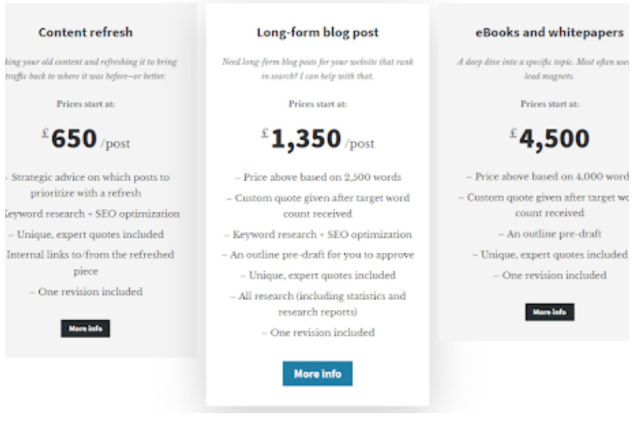
Many copywriters prefer to charge fixed project fees, especially for well-defined projects with clear deliverables. This pricing model allows copywriters to quote based on the value they provide rather than the time spent. Here are some examples of project-based pricing for common copywriting tasks:
- 4-page website package: from $4,475
- 500-word blog post: from $350-$895
- 2,000-word marketing ebook: from $2,995
- 3-page SEO-friendly website: $2,097
- 5-page SEO-friendly website: $2,997
- 10-page SEO-friendly website: $4,997
- Email marketing campaign (5 emails): $1,500-$3,000
- Product description (per item): $50-$200
- Press release: $350-$1,000
- White paper (8-10 pages): $3,000-$6,000
These prices can vary based on the copywriter’s experience, the complexity of the project, and the amount of research required. It’s also common for copywriters to offer package deals for clients who need multiple services or ongoing work.
Pros and Cons of Project-Based Pricing
Pros:
- Clarity on costs for clients
- Rewards efficiency and expertise
- Allows copywriters to price based on value delivered
- Simplifies budgeting and project management
Cons:
- May require more upfront work to accurately scope and price projects
- Can be challenging to adjust for unexpected changes in project scope
- May not account for extensive revisions or client feedback rounds
Daily Rates
For longer engagements or projects that require on-site work, copywriters may opt to charge daily rates. The average daily rate for Australian copywriters is approximately $648, with most rates falling between $506 and $790 per day. However, highly experienced copywriters or those working in specialised fields may charge significantly more.
Daily rates can be particularly useful for:
- Workshops or training sessions
- On-site content creation for events or product launches
- Intensive collaborative projects with marketing teams
Pros and Cons of Daily Rates
Pros:
- Simplifies billing for longer engagements
- Provides flexibility for on-site work
- Can be more cost-effective than hourly rates for full-day projects
Cons:
- May not accurately reflect the value of work completed in a day
- Can be less precise than hourly billing for partial-day work
- May not account for preparation time outside of the billed day
Factors Affecting Copywriting Rates
Several factors can influence a copywriter’s rates, and understanding these can help both copywriters and clients navigate the pricing landscape more effectively:
1. Experience and Track Record
As in many professions, experience plays a significant role in determining rates. Copywriters with a proven track record of successful campaigns, high-profile clients, or impressive ROI for their work can justify higher rates based on their expertise and the results they deliver.
2. Specialisation in Niche Industries
Copywriters who specialise in specific industries (e.g., healthcare, finance, or technology) often command higher rates due to their in-depth knowledge and ability to write authoritatively on complex subjects. This expertise can be particularly valuable for clients in these sectors who need technically accurate and persuasive content.
3. Demand for Services
Copywriters in high demand may charge premium rates, especially if they have a waiting list of clients. This increased pricing reflects the market’s valuation of their skills and the opportunity cost of taking on new projects.
4. Location
Geographic location can impact rates, with copywriters in major cities often charging more due to higher living costs and potentially greater access to high-profile clients. However, with the rise of remote work, location-based pricing differences may become less pronounced over time.
5. Project Complexity and Research Requirements
Projects that require extensive research, interviews with subject matter experts, or in-depth analysis typically command higher rates. This reflects the additional time and expertise needed to produce well-informed, authoritative content.
6. Turnaround Time
Rush jobs or projects with tight deadlines often incur additional fees. This premium reflects the copywriter’s need to prioritise the work, potentially at the expense of other projects or personal time.
7. Client Type
Rates may vary depending on the type of client. For example:
- Large corporations may be charged higher rates due to their larger budgets and the potential complexity of their projects.
- Startups or small businesses might be offered more competitive rates, especially if there’s potential for ongoing work.
- Non-profit organisations or charities might receive discounted rates as part of a copywriter’s commitment to social responsibility.
8. Project Scope and Duration
Longer-term projects or retainer agreements might be priced differently than one-off assignments. Copywriters may offer discounted rates for guaranteed ongoing work, reflecting the stability and reduced time spent on client acquisition.
9. Additional Services
Some copywriters offer services beyond writing, such as SEO optimisation, content strategy consulting, or social media management. These additional services may be priced separately or bundled into comprehensive packages.
Setting Rates as a Copywriter
For copywriters looking to set or adjust their rates, consider the following strategies:
- Research the market: Understand the going rates in your location and niche.
- Assess your experience and skills: Be honest about where you stand in the market.
- Calculate your desired income: Factor in business expenses, taxes, and desired profit.
- Consider your unique value proposition: What sets you apart from other copywriters?
- Start with a competitive rate: As you gain experience and positive reviews, gradually increase your rates.
- Be flexible: Consider offering different rates for different types of projects or clients.
- Regularly review and adjust: As your skills and demand for your services grow, don’t be afraid to raise your rates.
Choosing a Copywriter as a Client
For businesses looking to hire a copywriter, consider these factors when evaluating rates:
- Define your project needs: Clearly outline your requirements to get accurate quotes.
- Consider the potential ROI: High-quality copy can significantly impact your business outcomes.
- Look beyond the price: Evaluate the copywriter’s portfolio, testimonials, and expertise in your industry.
- Discuss payment structures: Some copywriters may be open to performance-based bonuses or milestone payments for larger projects.
- Clarify deliverables and revisions: Ensure the quoted price includes a clear understanding of what’s included and how many rounds of revisions are offered.
Conclusion
Determining appropriate copywriting rates is a nuanced process that requires consideration of multiple factors. For copywriters, it’s crucial to price services in a way that reflects the value provided while remaining competitive in the market. For clients, understanding the factors that influence pricing can help in budgeting for copywriting services and appreciating the investment in quality content.
Ultimately, the right rate will depend on the specific project requirements, the copywriter’s expertise, and the client’s budget and goals. Open communication about expectations, deliverables, and the potential impact of the copywriting work is key to establishing a fair and mutually beneficial arrangement.
As the content landscape continues to evolve, so too will pricing structures in the copywriting industry. By staying informed about market trends, continuously improving skills, and focusing on delivering value, both copywriters and clients can navigate this dynamic field successfully.
Remember, effective copywriting is an investment in a brand’s communication strategy, customer engagement, and ultimately, its bottom line. When viewed through this lens, the cost of professional copywriting becomes not just an expense, but a strategic investment in business growth and success.