This article analyzes practical experience in building and managing entrepreneurial projects in the consumer transportation services sector, including the repair of cars and motorcycles, car rental (including the model of leasing vehicles for taxi operations), and diversification into the segment of recreational watercraft rental.
The primary focus is on applied business modeling: calculating unit economics at the level of a single asset, pricing principles, evaluation of total cost of ownership (TCO), selection of sales channels, and structuring operational processes. The article also examines the strategic closure of projects as an element of rational capital management.
Introduction
The consumer transportation services market is undergoing active transformation under the influence of the platform economy, digital taxi services, and changing consumer behavior patterns. According to industry reviews by McKinsey (2022) and Statista (2023), the short-term mobility segment demonstrates stable demand, creating opportunities for small-scale entrepreneurship in the format of micro-fleets.
In the case examined, entrepreneurial activity developed on the basis of technical expertise and a deep understanding of the vehicle life cycle. The initial stage was associated with the independent repair and restoration of bicycles, scooters, and motorcycles, which formed a practical understanding of cost structures, asset liquidity, and typical operational risks.
Formation of the Business Hypothesis and Model Selection
At the age of 20, a hypothesis was formed to create a vehicle fleet for renting cars to taxi drivers. Unlike the model of direct transport operation, the chosen format was asset-based entrepreneurship, where a vehicle is treated as an investment asset generating regular cash flow.
A key methodological decision was to model the economics not at the level of the entire fleet but at the level of an individual vehicle. This approach made it possible to account for differences in:
- maintenance costs
- depreciation rates
- operational intensity
- residual value in the secondary market
Fleet Scaling
The development process took place gradually, allowing the business to maintain operational control and minimize excessive risks.
The total number of vehicles eventually reached 10 units.

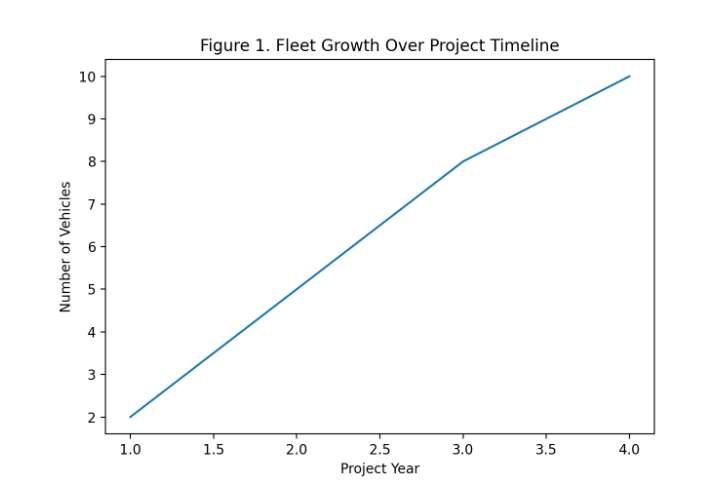
Figure 1. Fleet Growth Over Project Timeline
Gradual asset expansion made it possible to adjust the financial parameters of the model based on actual performance data, including utilization rates, operating costs, and payback periods.
Business Modeling and Unit Economics
The internal business modeling project included a structured system of calculations covering:
- break-even point calculation
- analysis of variable and fixed costs
- depreciation forecasting
- scenario analysis (base, stress, and optimistic scenarios)
- planning the optimal timing for asset sale

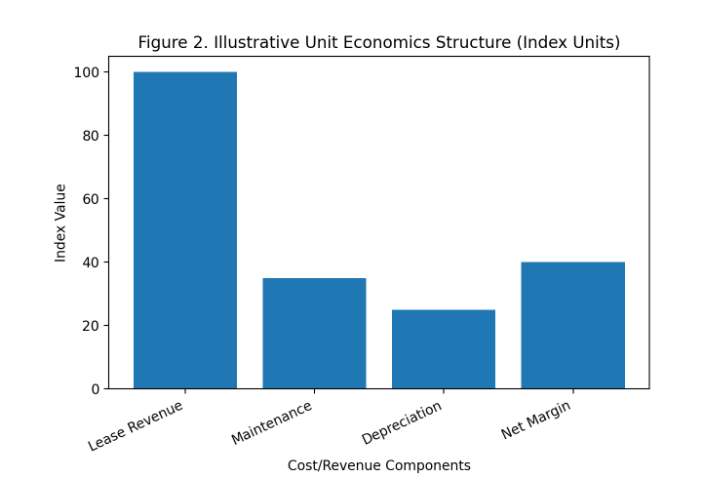
Figure 2. Illustrative Unit Economics Structure
Each vehicle was treated as an independent investment unit, in line with asset management principles applied in corporate fleet management (Fleet Europe Report, 2022).
Integration of Digital Marketing
An additional factor in improving efficiency was the integration of performance marketing tools. Targeted advertising and traffic arbitrage were used to optimize asset utilization.
In a highly competitive transportation services market, the manageability of acquisition channels directly affects the stability of cash flow. McKinsey (2022) highlights that digital analytics is becoming a key competitive factor in mobility services.
Diversification into Recreational Watercraft Rental
To expand revenue sources, diversification into recreational watercraft rental was attempted. The model took into account seasonality, weather factors, insurance risks, and local demand characteristics.

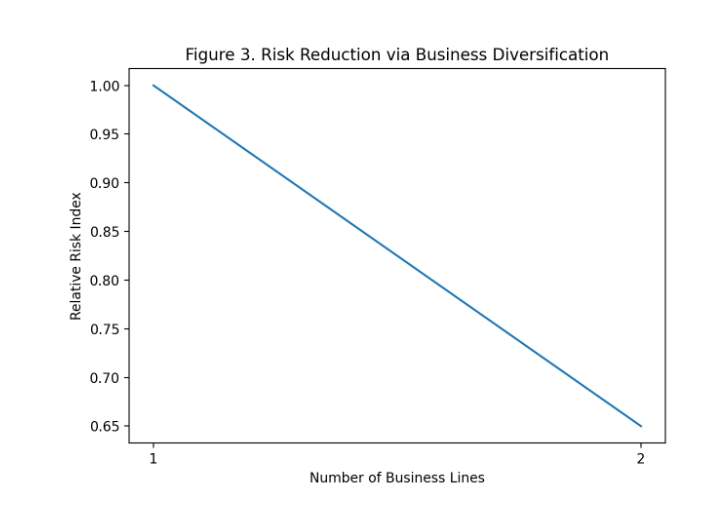
Figure 3. Risk Reduction via Business Diversification
Despite structured planning, the segment proved less sustainable due to pronounced seasonality and increased operational complexity. A decision was made to discontinue this line of business.
Strategic Project Closure
After several years of operations, a decision was made to sell the assets. All vehicles were sold except for one personal vehicle, and the watercraft rental segment was also fully terminated.
From an entrepreneurial theory perspective, such a decision is considered a rational element of the project lifecycle, aligned with capital management principles and asset structure optimization (OECD, 2021). Strategic exit demonstrates the ability to objectively assess risks and long-term effectiveness.
Conclusion
This case illustrates a model of entrepreneurship in the consumer transportation sector based on:
- applied technical expertise
- systematic business modeling
- gradual scaling
- integration of digital marketing tools
- rational asset management and strategic exit
The experience confirms that the sustainability of a small business in mobility is built through disciplined calculations, manageability at the individual asset level, and the ability to adapt to changing market conditions.
References
- McKinsey & Company (2022). The Future of Mobility and Platform Economics.
- Statista (2023). Car Rental and Mobility Services Market Outlook.
- OECD (2021). SME Risk Management and Entrepreneurial Strategy.
- Fleet Europe (2022). Fleet Management Industry Report.