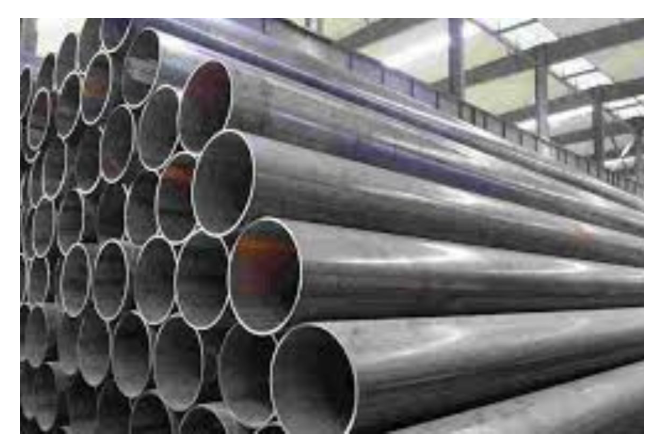

Welded pipes are a cornerstone of modern industry, playing a crucial role in various sectors, from construction and oil and gas to water supply systems and transportation infrastructure. These pipes are made by joining metal pieces through welding, offering a range of advantages in terms of cost, strength, and versatility. This article explores the types of welded pipe, their manufacturing processes, and the wide array of applications that make them indispensable.
What is a Welded Pipe?
A welded pipe is a type of pipe formed by welding together metal sheets or strips, typically steel or other metals, to create a continuous tube. Unlike seamless pipes, which are manufactured without welding, welded pipes rely on a welding process to join edges of metal plates. The resulting product has various sizes, lengths, and thicknesses based on its intended use.
Types of Welded Pipes
Welded pipes are generally categorized based on the welding method used to create the pipe. The two most common types are:
- ERW (Electric Resistance Welded) Pipes:
- Manufacturing Process: ERW pipes are created by heating the edges of the metal sheet with electric resistance and then applying pressure to join them. The process doesn’t require filler material, and the seam is formed using high-frequency current.
- Applications: They are used in a wide range of applications, including water pipelines, gas pipelines, structural frameworks, and for general fluid and gas transportation.
- Advantages: ERW pipes are cost-effective, easy to produce, and suitable for large-scale applications. They can handle a variety of fluid pressures and are available in various sizes.
- LSAW (Longitudinal Submerged Arc Welded) Pipes:
- Manufacturing Process: LSAW pipes are made by forming steel plates into a cylindrical shape and welding along the length of the seam. The submerged arc welding process ensures that the weld is deeply penetrated and of high strength.
- Applications: These pipes are typically used in high-pressure applications like oil and gas pipelines, structural uses, and in industries where higher strength is essential.
- Advantages: LSAW pipes can withstand higher pressures and stresses and are typically used for large-diameter pipes.
- SSAW (Spiral Submerged Arc Welded) Pipes:
- Manufacturing Process: Unlike LSAW pipes, SSAW pipes are made by winding a steel strip into a spiral shape and welding it along the spiral seam. This method is suitable for large pipes.
- Applications: SSAW pipes are mostly used for water transmission and low-pressure pipelines in industries like petroleum and natural gas transportation.
- Advantages: The spiral-welding process allows for greater flexibility in pipe size, making it ideal for specific custom applications.
The Manufacturing Process of Welded Pipes
The process of manufacturing welded pipes generally follows these steps:
- Preparation of Steel Plates or Strips: High-quality steel sheets or strips are sourced, cleaned, and shaped to the desired dimensions. The steel is usually treated to remove any contaminants.
- Forming the Pipe: The steel sheet is rolled into a cylindrical shape. Depending on the process (ERW, LSAW, or SSAW), the method of forming and welding changes. ERW uses heat and pressure, LSAW involves submerged arc welding, and SSAW uses a spiral-welding technique.
- Welding: In the case of ERW, high-frequency electrical currents are passed through the edges of the metal sheets, causing them to heat up and fuse. LSAW and SSAW use arc welding to fuse the edges, with LSAW using submerged arc welding and SSAW using a spiral method.
- Heat Treatment: After welding, the pipe often undergoes a heat treatment process to relieve stresses caused during the welding process. This can involve processes like annealing or quenching.
- Testing and Inspection: The welded pipe is subjected to rigorous tests to ensure its strength and reliability. Tests like hydrostatic testing, ultrasonic testing, and visual inspection are used to check for defects, leaks, and strength.
- Finishing: The pipe may undergo a finishing process that includes coating, painting, or galvanizing to protect it from corrosion and extend its lifespan. The pipes are then cut to the required lengths.
Benefits of Welded Pipes
- Cost-Effectiveness: Welded pipes are generally less expensive to manufacture than seamless pipes, making them an economical choice for various applications. The cost savings are passed on to the end users, especially in industries where large volumes of piping are required.
- Versatility: Welded pipes come in a variety of materials, sizes, and wall thicknesses. This makes them versatile enough to be used in numerous sectors, including construction, chemical processing, oil and gas, and water management.
- Strength and Durability: The welding process can produce strong and durable pipes, especially with methods like LSAW and SSAW, which are specifically designed to handle higher pressures and more demanding environments.
- Flexibility in Manufacturing: Welded pipes can be made in custom sizes and lengths, which allows for greater flexibility compared to seamless pipes. This customization is valuable for specialized applications that require non-standard dimensions.
- High Structural Integrity: The continuous seam produced by welding ensures that the welded pipe maintains a consistent structure. With modern testing techniques, the integrity of welded pipes can be thoroughly verified.
Applications of Welded Pipes
The applications of welded pipes span across multiple industries, each utilizing the pipes’ unique properties to meet specific demands:
- Oil and Gas Industry: Welded pipes are crucial in the transportation of petroleum products, natural gas, and crude oil. Both ERW and LSAW pipes are commonly used in pipeline systems due to their strength and ability to withstand high pressure.
- Water Supply and Sewage Systems: Welded pipes are widely used in water transmission and sewage systems. Their corrosion-resistant properties (especially when galvanized or coated) make them ideal for these applications.
- Construction: Welded pipes are often used as structural elements in buildings and infrastructure projects. They serve as columns, beams, and supports, providing durability and strength to large construction works.
- Automotive and Industrial Manufacturing: Welded pipes are used in exhaust systems, frames, and other mechanical components of vehicles and machinery. Their lightweight nature and strength make them suitable for this type of application.
- Agriculture: Welded pipes are also utilized in irrigation systems to ensure a steady and efficient water supply to agricultural lands.
Challenges in Welded Pipe Manufacturing
Despite the numerous benefits, welded pipes are not without challenges. Common issues during the manufacturing process include:
- Weld Quality: Inadequate welding can result in weak spots, which may cause failure under pressure. Strict quality control measures are necessary to ensure high-quality welds.
- Corrosion Resistance: While welded pipes can be coated or treated to resist corrosion, poorly coated pipes can corrode over time, affecting their longevity and performance.
- Dimensional Precision: Manufacturing pipes to exact specifications is crucial for proper fitting and function. Variations in pipe dimensions can lead to issues in installation and performance.
Conclusion
Welded pipes play a fundamental role in industries that rely on safe, durable, and cost-effective piping systems. From the construction of pipelines to supporting structural frameworks, these pipes offer an adaptable solution for various applications. As technology continues to advance, the processes for producing welded pipes become more refined, enhancing their strength, durability, and overall performance. Whether it’s oil and gas transportation or construction, welded pipes are a vital part of our modern infrastructure.