Insect bites are common, especially in warmer months when outdoor activities are in full swing. While most bites result in mild irritation, some can lead to serious health issues. Identifying the culprit behind an insect bite can be crucial for determining proper treatment and avoiding complications. In many cases, lab testing is the only way to identify the type of insect responsible for the bite definitively.
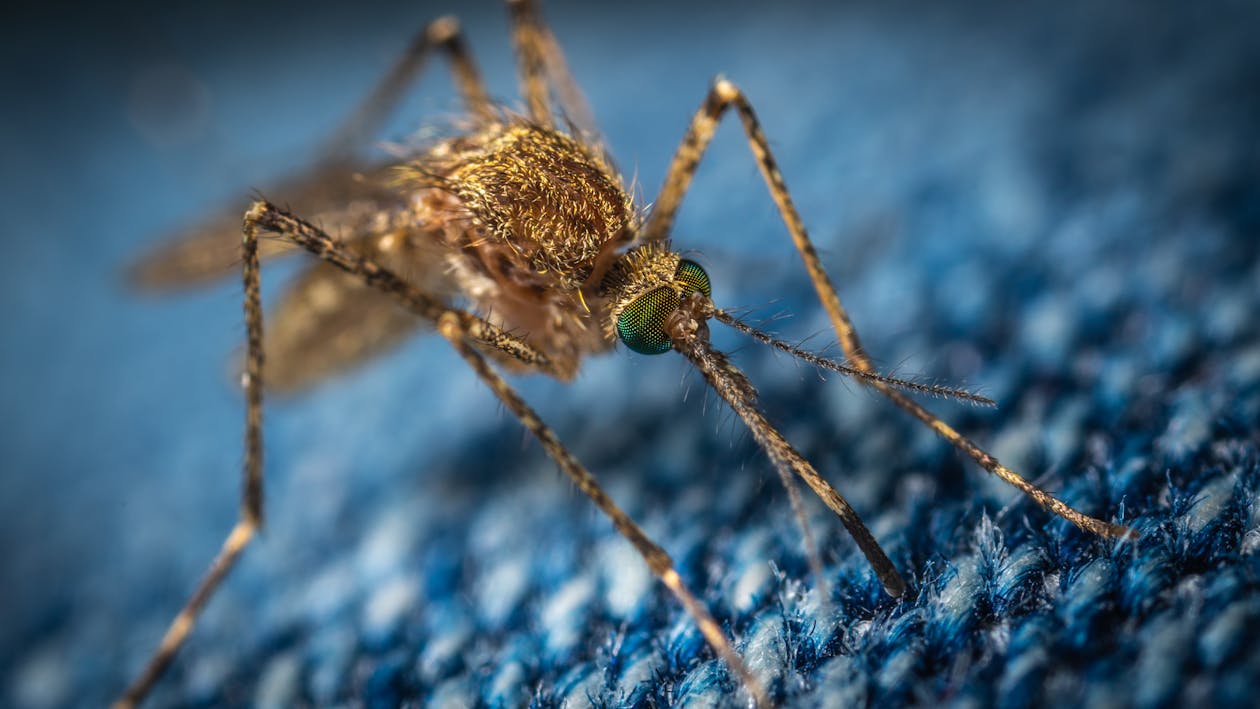

If you’ve ever Googled mosquito control near me, you know that prevention is key, but understanding the risks of certain bites is just as important. Let’s explore ten insect bites that may require testing to determine their source and ensure your safety.
Mosquito Bites and Their Hidden Risks
When it comes to itchy bites, mosquitoes are often the main suspects. However, mosquito bites can carry more than just irritation. Diseases like West Nile virus, malaria, or dengue fever can sometimes develop after a bite. Testing blood samples or the bite area can confirm the presence of these illnesses. If you’ve been searching for mosquito control services, you’re making the right decision to reduce exposure to these pesky insects.
Tick Bites: A Silent Threat
Ticks latch onto their hosts for long periods, making their bites a serious concern. These tiny arachnids can transmit diseases like Lyme disease or Rocky Mountain spotted fever. Testing is often needed to identify the bacteria or viruses introduced through the bite. Early diagnosis is critical for managing symptoms and preventing long-term effects.
Spider Bites That May Be Misleading
Not all spider bites are created equal. While most are harmless, bites from species like the black widow or brown recluse can cause severe reactions. Symptoms may include fever, muscle pain, or skin necrosis. Testing blood samples or bite tissue can confirm the venom type and guide treatment.
Flea Bites and Allergic Reactions
Fleas may seem like a nuisance for your pets, but their bites can also affect humans. Beyond itching, flea bites may trigger allergic reactions or even transmit diseases like typhus or the plague. If symptoms worsen, lab tests can identify specific pathogens from the bite site or a blood sample.
Bed Bug Bites: A Growing Problem
Bedbug bites are notoriously itchy and often appear in clusters. While they’re not known for spreading diseases, allergic reactions and secondary infections can arise. In rare cases, lab tests may help identify the insect or rule out other potential causes of skin irritation.
Bee Stings and Venom Sensitivities
Bee stings are typically painful but harmless unless you’re allergic. For those who experience severe swelling, difficulty breathing, or anaphylaxis, testing can identify venom sensitivity. Such tests help guide future prevention and treatment strategies.
Fire Ant Bites: A Fiery Encounter
Fire ant bites deliver a painful sting that often results in pustules. In some cases, the venom can cause severe allergic reactions or mimic infections. Lab tests of the fluid from these pustules can help confirm the involvement of fire ants and exclude other conditions.
Horsefly Bites and Infection Risks
Horsefly bites are painful and can result in significant swelling. These bites occasionally lead to bacterial infections or even tularemia, a rare but serious disease. Testing may involve examining the bite area or testing blood for specific horsefly pathogens.
Chigger Bites and Mystery Itches
Chigger bites cause intense itching and redness, often leading to misdiagnosis. The microscopic larvae burrow into the skin, making it challenging to identify the cause without tests. Tests can confirm the presence of chiggers and distinguish their bites from others.
Mite Bites: Unseen Culprits
Mites, like scabies or bird mites, are tiny insects that burrow into or feed on the skin. Their bites can cause rashes, intense itching, or even bacterial infections. Lab tests, such as skin scrapings or blood tests, can confirm the type of mite and guide treatment options. If you’re trying to avoid such issues, Google mosquito control near me. These companies provide other services as well that often address other pests like mites.
Conclusion
Insect bites vary widely in their effects, from mild discomfort to severe medical concerns. While prevention is always preferable—whether through protective clothing, repellents, or searching for mosquito control near me—some bites necessitate lab testing for proper identification and treatment. Knowing which bites pose serious risks empowers you to act quickly and seek appropriate care.
*Sponsored Blog Post