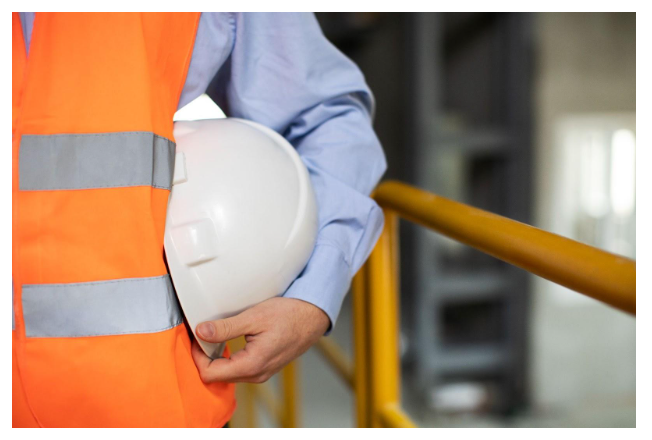

Construction is one of the most dynamic and vital industries in the world. It builds the infrastructure we rely on daily, from roads and bridges to homes and offices. However, it is also one of the most hazardous industries. Workers face numerous risks, including falls, equipment-related injuries, and exposure to harmful substances. This is why health and safety in construction is not just important but essential to ensure the well-being of workers, the quality of the projects, and the reputation of the industry.
Protecting Lives and Well-Being
At the core of health and safety in construction is the protection of human life. The construction industry accounts for a significant portion of workplace fatalities globally. Accidents such as falls from heights, being struck by heavy equipment, and electrocutions can have devastating consequences for workers and their families. By implementing strict health and safety measures, employers can drastically reduce the likelihood of such incidents.
Ensuring worker safety is not only a legal obligation but also a moral responsibility. Every construction worker deserves to return home unharmed at the end of the day. Providing proper training, safety equipment, and a culture of awareness empowers workers to recognise and mitigate risks on-site.
Boosting Productivity and Efficiency
A safe construction site is a productive construction site. When workers feel secure and confident in their environment, they are more likely to focus on their tasks without the distraction of worrying about potential hazards. Accidents and injuries can lead to delays, absenteeism, and reduced morale among the workforce. By fostering a culture of safety, companies can avoid these disruptions and maintain smooth operations.
Moreover, efficient health and safety practices often go hand-in-hand with better project management. Clear guidelines, regular inspections, and adherence to safety protocols help streamline workflows and minimise errors. This not only ensures the timely completion of projects but also contributes to cost savings in the long run.
Compliance with Legal and Regulatory Standards
Governments and regulatory bodies around the world have established stringent laws and standards to ensure the safety of construction workers. Failure to comply with these regulations can result in severe consequences, including hefty fines, legal battles, and even the suspension of operations. Prioritising health and safety helps construction companies meet these requirements and avoid potential legal issues.
Compliance is not just about avoiding penalties; it’s also a reflection of a company’s commitment to ethical practices. Adhering to regulations demonstrates respect for workers’ rights and fosters trust among clients, employees, and stakeholders.
Enhancing Reputation and Client Confidence
Construction companies that prioritise health and safety gain a competitive edge in the industry. Clients and stakeholders are more likely to partner with organisations that demonstrate a commitment to protecting their workforce. A strong safety record can enhance a company’s reputation, attracting more business opportunities and fostering long-term relationships with clients.
On the flip side, neglecting safety can lead to negative publicity and damage to a company’s image. High-profile accidents or safety violations can tarnish a firm’s reputation, making it harder to secure future projects.
Addressing Emerging Risks
The construction industry is constantly evolving, with advancements in technology and new methods of construction reshaping the landscape. While these innovations bring numerous benefits, they also introduce new risks. For example, the use of robotics and automated machinery requires specialised safety protocols to prevent accidents.
Additionally, the growing emphasis on sustainability has led to the use of alternative materials and energy-efficient techniques. While environmentally friendly, these approaches may pose unfamiliar hazards that require careful assessment and mitigation. Proactive health and safety measures ensure that the industry can adapt to these changes without compromising worker welfare.
Cultivating a Safety-First Culture
Creating a culture where health and safety are prioritised requires the collective effort of everyone involved, from management to on-site workers. Leaders must lead by example, demonstrating their commitment to safety and encouraging open communication about risks and concerns. Workers should feel empowered to report hazards and suggest improvements without fear of retaliation.
Regular training and education are crucial in keeping safety top-of-mind. Providing workers with up-to-date knowledge about equipment, procedures, and potential risks helps prevent accidents and fosters a sense of responsibility across the workforce.
Conclusion
Health and safety in construction are not optional; they are fundamental to the success and sustainability of the industry. By protecting workers, ensuring compliance, and fostering a culture of safety, construction companies can create environments where everyone thrives. The benefits extend beyond individual projects, contributing to the industry’s growth, innovation, and reputation. In the end, a commitment to health and safety is a commitment to the people who make construction possible.