Heating oil is an essential resource for many households, especially in regions with harsh winters. However, one thing homeowners often struggle to understand is why its prices seem to change so frequently. What causes these fluctuations? Is it all about global trends, or do local factors play a role as well? Let’s explore the key factors influencing heating oil prices and discuss strategies to help you stay ahead of market changes.
In the heating oil industry, understanding price trends can be crucial. Even within local markets, like the one served by Romeo’s Fuel prices, you’ll notice that rates can shift unexpectedly. These changes are not arbitrary; they are influenced by a combination of global market forces, weather conditions, supply chain logistics, and government policies. Let’s break down these factors to understand what’s really driving heating oil prices.

The Role of Global Crude Oil Prices
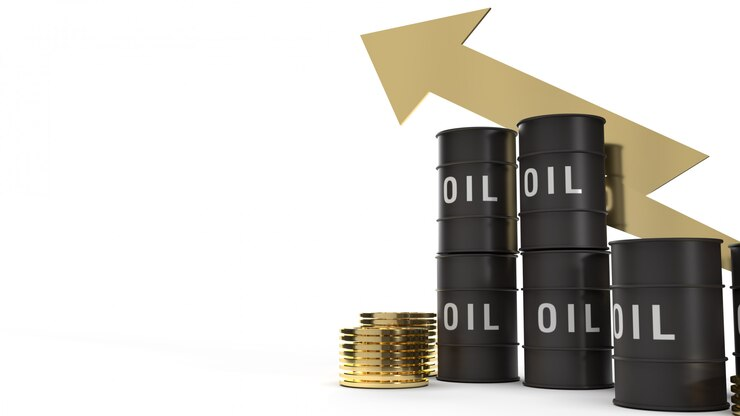
The price of crude oil on the global market is one of the most significant factors affecting heating oil costs. Heating oil is a derivative of crude oil, so its price tends to follow crude oil trends closely. When crude oil prices rise due to increased global demand, geopolitical tensions, or production cuts by major oil-exporting countries, heating oil prices typically rise as well. Conversely, when crude oil prices fall, consumers may see a drop in their heating oil bills.
For example, if there’s political unrest in major oil-producing regions like the Middle East, global oil supplies can be disrupted. This supply shock pushes prices higher. Similarly, decisions by the Organization of the Petroleum Exporting Countries (OPEC) to limit production can have ripple effects on heating oil prices worldwide.
Seasonal Demand and Weather Conditions
Seasonal demand plays a critical role in heating oil price fluctuations. Naturally, demand for heating oil spikes during the colder months, particularly from November to February. This increased demand often results in higher prices.
Weather also has a significant impact. A particularly harsh winter with prolonged cold spells can deplete heating oil supplies quickly, leading to price surges. Conversely, a mild winter may reduce demand, keeping prices relatively stable.
Long-term weather forecasts can sometimes give a glimpse into potential price changes. If meteorologists predict a colder-than-average winter, heating oil suppliers may adjust their pricing strategies in anticipation of increased demand.
Supply Chain Logistics and Distribution Costs
Another key factor influencing heating oil prices is the complexity of the supply chain. Heating oil must be refined, transported, and distributed to local markets, and each step involves costs. If there are disruptions in the supply chain—such as a refinery shutting down for maintenance or a shortage of delivery drivers—prices can spike.
Geographical location also matters. Households in remote areas may pay more for heating oil because of higher transportation costs. Conversely, those in urban areas with better infrastructure may enjoy lower prices due to more efficient delivery systems.
Government Policies and Regulations
Government policies and regulations can have both direct and indirect effects on heating oil prices. Taxes, environmental regulations, and tariffs on imported oil products all contribute to the final price consumers pay. For instance, stricter environmental standards may require refiners to use costlier processes, which could drive up heating oil prices.
Additionally, subsidies for renewable energy or alternative heating methods can indirectly affect heating oil demand, influencing prices over time. Policies aimed at reducing carbon emissions may further shape the market by encouraging a shift toward cleaner energy sources.
Currency Exchange Rates
Since oil is traded globally in U.S. dollars, fluctuations in exchange rates can also impact heating oil prices. A weaker domestic currency makes imported oil more expensive, which can lead to higher heating oil costs. Conversely, a stronger currency may help mitigate some of these expenses, keeping prices lower for consumers.
How to Anticipate Heating Oil Price Changes
While you can’t control market forces, understanding the factors at play can help you better anticipate heating oil price changes and plan accordingly. Here are a few tips:
1. Monitor Global Oil Markets: Keeping an eye on crude oil price trends can give you a sense of where heating oil prices might head. Many financial news outlets provide regular updates on oil prices.
2. Stay Informed About Weather Forecasts: If a colder-than-usual winter is predicted, consider buying your heating oil early, before prices rise due to increased demand.
3. Consider Off-Season Purchases: Heating oil prices are often lower during the warmer months when demand is low. Stocking up in summer or early fall can save you money.
4. Lock in Prices with a Fixed-Rate Plan: Some heating oil suppliers offer fixed-rate plans that allow you to lock in a price for the season. While this might not always result in the lowest possible price, it can provide financial predictability and protect you from sudden price hikes.
5. Track Local Suppliers: Prices can vary between suppliers, even within the same area. Comparing rates from local providers like Romeo’s Fuel prices can help you find the best deal for your needs.
The Impact of Alternative Energy Sources
The rise of alternative energy sources, such as solar, wind, and geothermal energy, is gradually influencing heating oil prices. As more households and businesses transition to renewable energy for heating, the overall demand for heating oil may decline. This shift could lead to more competitive pricing, especially in regions where renewable energy adoption is widespread. Additionally, advancements in energy-efficient heating systems, like heat pumps, further reduce reliance on traditional heating oil.
However, the transition to alternative energy is uneven, with some areas still heavily dependent on oil. As this energy evolution continues, fluctuations in heating oil prices may become less dramatic over time. For now, staying informed about emerging technologies and their potential cost benefits is a smart move for homeowners.

Conclusion
Heating oil prices fluctuate due to a combination of global and local factors, from crude oil trends to seasonal demand and government policies. While price changes may seem unpredictable at times, understanding the key drivers can help you anticipate shifts and plan your purchases strategically. By staying informed, monitoring market trends, and exploring cost-saving strategies, you can navigate these fluctuations with confidence and ensure your home stays warm without breaking the bank.