Have you ever wished to play the piano, yet you did not have a clue where to start?
Well, you are not the only one. Many adults happen to be drawn to the piano as they stand in great admiration of such beautiful sounds and the satisfaction it gives.
Beginning piano study as an adult is an exciting and rewarding experience. Whether you want to explore a new hobby or simply need a creative outlet, adult piano lessons are the perfect way to bring music into your life.
However, starting something new as an adult can be intimidating, but it is never too late to learn.
Unlike most activities, playing the piano brings together mental focus, creativity, and emotional expression in a deeply fulfilling way. Best of all, you are in control of your learning process. Want to play classical pieces or pop songs? The possibilities are endless.
The following guide will walk you through how to get started, from finding the right instructor to building effective practice habits, so you can immediately begin playing with confidence while enjoying every step of it.

1. Finding the Right Instructor
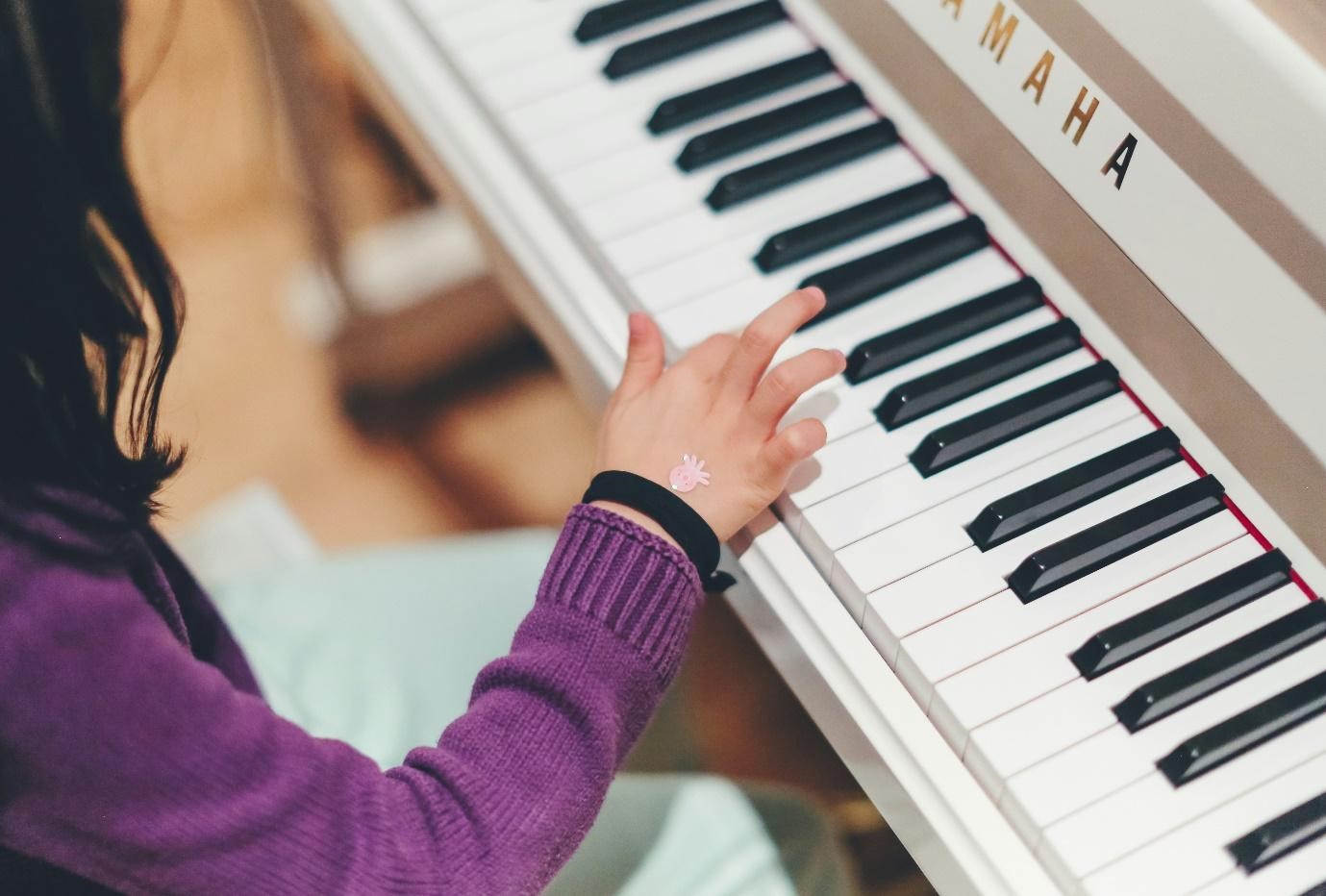
Arguably, success with the piano starts with finding the right instructor. A knowledgeable and patient teacher can make quite a big difference, especially for grown-ups, since they face different problems. For instance, you can find highly experienced piano tutors in London, which has a dynamic music life.
So, start your search for music schools through recommendations from friends and family. Alternatively, you can look for a reputable online teacher offering adult piano lessons. Many instructors offer a trial lesson, which is a great way to experience their teaching style and determine their teaching style, as it may or may not fit your needs.
Besides, most teachers are very sensitive to the particular needs of adult beginners and adapt lessons to their pace, goals, and lifestyle. A good teacher will lead you through music theory techniques and motivate and inspire you. Having the right instructor will guarantee that you feel supported at every step of your journey.
2. Understanding the Basics
Notably, this suggests the need to first address the basics: learning the ground and fundamentals of piano playing, such as the keyboard arrangement, proper hand positioning, and the ABCs of sheet music. Mastering the basics also involves learning about musical terms and signs.
Thus, you need to learn the notes on simple rhythms and key signatures. Maybe it would be more enjoyable with some interactive apps or an online resource featuring games to help you learn all about them. As time and effort progress, so will the basics be programmed in your brain until the skills become second nature in order to take you higher.

3. Realistic Goal Setting
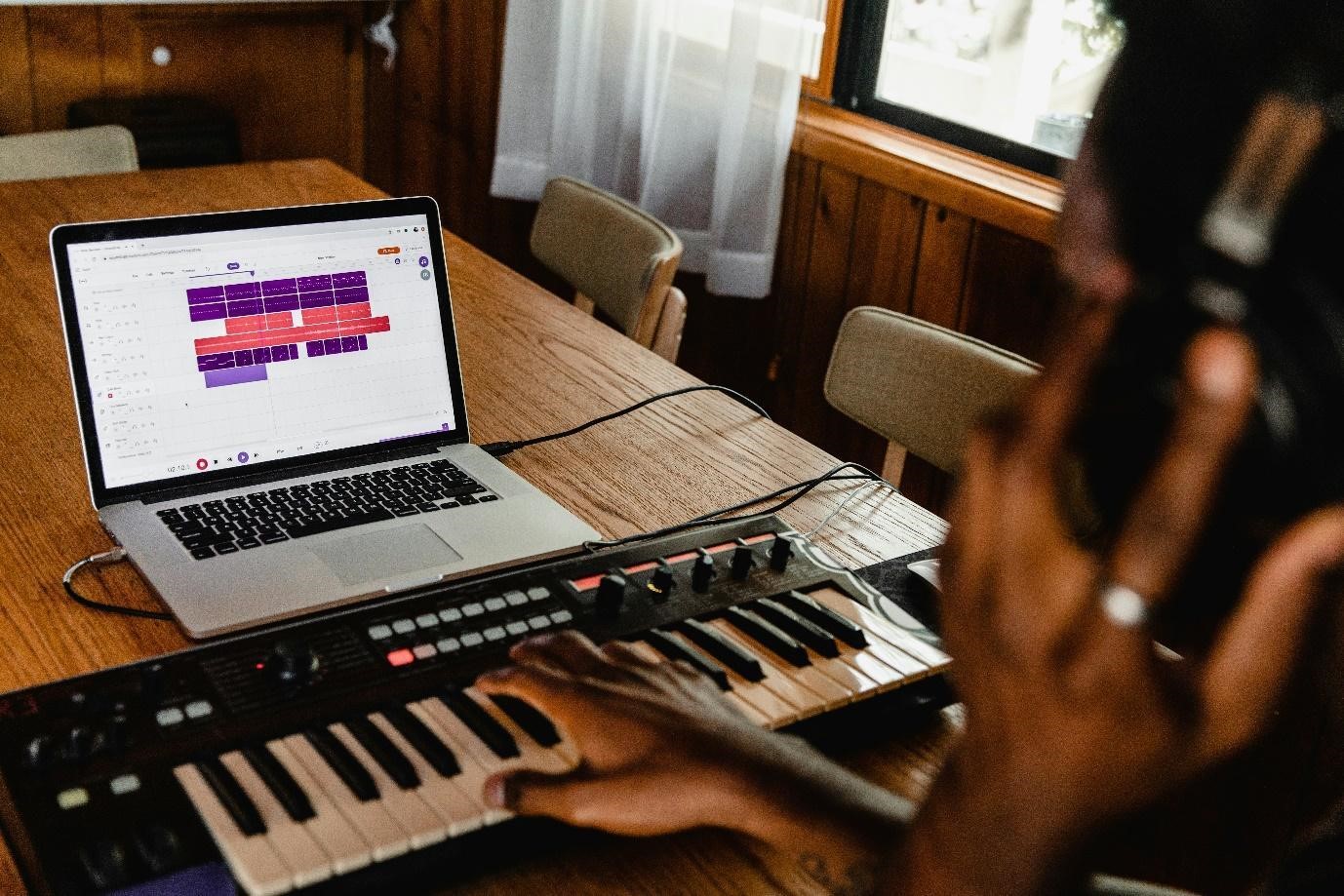
In addition, set realistic goals to keep your motivation alive and to measure your progress.
First, focus on achievable objectives such as learning a simple song or perfecting one scale. When you’ve reached such goals, gradually move to harder material. Progress might be minimal at first, but as time goes by and consistent work builds up, so will the rewards.
Celebrate every minor success and take it as a ladder to climb up the steps to the next level.
When setting your goals, aim for specific objectives. For example, “I want to play better”, would be “I will learn the right-hand melody of the song this week.” This is because large tasks do not appear overwhelming if they are broken down into smaller, more manageable parts.
This step-by-step process helps you stay focused and motivated all along.
4. Practice Regularly
Practice is the very foundation upon which the learning of every musical instrument stands, and as it would be, there’s absolutely no exception with regard to the piano. You can practice for approximately 20-30 minutes each day while you gain momentum and acquire muscle memory.
Where possible, fit your practice around your daily routine, such as every morning before work or in the quiet evening after dinner.
Structure your practice to cover different areas of playing. Start with some warm-ups, like scales or finger exercises, move on with a particular song section you may learn, and finally, close the session with your favorite song.
This allows you to divide your time between skill-building and fun. A very good motivator can also be a kind of diary where you notice daily improvement and things to work on or celebrate your little victories.


5. Overcome Obstacles
While there are challenges specific to learning piano as an adult, they can be overcome with patience and persistence. You may find some techniques challenging or frustrating; sometimes, when progress is not easily visible, break those challenges down into smaller tasks. Take out two to three measures and work those slowly until they feel comfortable.
Another obstacle for adult learners, especially in busy cities, is time. It seemingly becomes impossible to juggle all other facets of life with that of practicing the piano when even small amounts of practicing regularly make a huge amount of difference.
If all that is beyond your reach, seek help, be it some online tutorial, forums, or even finding a buddy who has been through the same struggle. New perspectives can come from them, which can boost your morale. Remember, every great piano player faced problems, and only by getting over them could they grow.
Concluding Remarks
Starting piano lessons as an adult is probably one of the most rewarding journeys you could ever take. Not only is it a great opportunity to acquire a new skill, but also to express your creativity and find personal fulfillment in it.
So, you will unlock the joy of playing the piano if you find the right instructor, master the basics, set reachable goals, practice regularly, and accept the challenge.
At every step, be it learning with your teacher in London or consolidating practice at home, let the progress take time to celebrate each milestone and, above all, enjoy the music on the way.