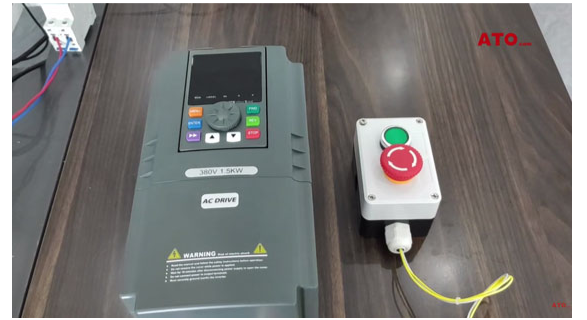

Variable Frequency Drives (VFDs) are critical components in controlling the speed and torque of AC motors in industrial, commercial, and even residential applications. Choosing the correct phase for your VFD ensures optimal performance, efficiency, and longevity of your motor and the VFD itself. This guide explores the essential factors to consider when choosing the correct phase for your VFD.
Understanding the Basics of VFD Phases
What Are VFD Phases?
VFDs are designed to convert electrical power from a fixed frequency and voltage to a variable frequency and voltage, which controls the speed and torque of an AC motor. The two primary types of electrical phases for VFDs are:
- Single-Phase VFD: Utilizes a single-phase input power source.
- Three-Phase VFD: Operates with a three-phase input power source.
Each type is suited for specific applications and comes with its own set of advantages and limitations.
Key Components of a VFD
Before diving into phases, it’s helpful to understand the components of a VFD:
- Rectifier: Converts AC to DC.
- DC Bus: Stores and filters the converted power.
- Inverter: Converts DC back to variable AC, enabling speed and torque control.
Factors to Consider When Choosing the Right Phase for Your VFD
1. Motor Type and Requirements
The type of motor you are using significantly influences the choice of VFD phase. Motors are typically designed to operate with specific electrical phases:
- Single-Phase Motors: Commonly used in residential and light commercial applications, such as fans, pumps, and compressors.
- Three-Phase Motors: Preferred in industrial and high-performance environments due to their efficiency, reliability, and power output.
Tip: Match the VFD phase to the motor’s phase for seamless integration and performance. Brands like ATO provide both single-phase and three-phase variable frequency drives (VFDs) that are designed to work with various motor types, ensuring compatibility and optimized performance.
2. Power Supply Availability
The availability of the power supply at your location is another critical factor. Here’s what to consider:
- Single-Phase Power Supply: Widely available in residential and small commercial setups. It is cost-effective but limited in power capacity.
- Three-Phase Power Supply: Common in industrial settings, providing higher power capacity and efficiency.
Tip: If you have access to both types of power supplies, evaluate the cost and performance requirements of your application.
3. Application Requirements
The nature of your application—whether it is for a conveyor system, HVAC, or a high-torque industrial machine—dictates the VFD phase.
- Low-Power Applications: Single-phase VFDs are ideal for applications requiring less than 3 HP (horsepower).
- High-Power Applications: Three-phase VFDs are better suited for applications exceeding 3 HP.
Tip: Determine your application’s power needs before making a choice.
4. Cost Considerations
Financial plan imperatives frequently impact the choice between single-phase and three-phase VFDs. While three-phase frameworks are by and large more costly, their drawn out functional proficiency can counterbalance beginning expenses.
Tip: Balance upfront costs with long-term benefits for a cost-effective solution. ATO VFDs offer competitive pricing and durable solutions, ensuring a high return on investment (ROI) over time.
5. Efficiency and Performance
Three-phase VFDs commonly offer higher efficiency and better performance than single-phase models. They give smoother movement, lower harmonic distortion, and more imperative control over motor speed and power.
Tip: If efficiency and precision are priorities, opt for a three-phase VFD.
Comparing Single-Phase and Three-Phase VFDs
When selecting a Variable Frequency Drive (VFD) for your application, it is crucial to understand the differences between single-phase and three-phase VFDs. Each type of VFD is suited for specific uses, and the choice depends on various factors such as power requirements, efficiency, cost, and the nature of the application. To help you make an informed decision, let’s compare the key features of both single-phase and three-phase VFDs.
The table below summarizes the primary differences:
| Feature | Single-Phase VFD | Three-Phase VFD |
| Power Capacity | Limited to low-power applications (up to 3 HP) | Suitable for high-power applications (above 3 HP) |
| Efficiency | Moderate efficiency | High efficiency |
| Cost | Lower upfront cost | Higher upfront cost |
| Applications | Residential & light commercial | Industrial & heavy-duty applications |
| Reliability | Less reliable for high loads | Highly reliable for all loads |
Steps to Choose the Right Phase for Your VFD
Identify Motor Specifications
Check the motor’s nameplate for information about its voltage, current, and phase requirements. Match these specifications with the VFD.
Evaluate Your Power Supply
Determine the type of power supply available at your facility. Ensure the VFD phase aligns with the available power.
Assess Application Needs
Analyze the specific requirements of your application, including load type, torque, and speed range. For high-performance needs, a three-phase VFD is typically the best choice.
Consider Future Scalability
In the event that you expect future extensions or expanded power needs, Investing in a three-phase VFD may provide better scalability
Consult with Experts
If all else fails, consult with VFD manufacturers or trained professionals. They can suggest the most suitable phase based on your needs.
Common Mistakes to Avoid
- Ignoring Motor and Power Supply Compatibility: Always ensure that the VFD phase matches the motor and power supply to avoid operational issues.
- Underestimating Application Needs: Choosing a VFD that cannot handle the required load or torque can lead to inefficiencies or failures.
- Overlooking Environmental Factors: Consider environmental conditions, such as temperature, humidity, and dust, which may affect VFD performance.
- Neglecting Harmonic Distortion: Use harmonic filters if necessary to prevent power quality issues in three-phase systems.
Advanced Tips for Optimizing VFD Selection
Use a Phase Converter
In the event that you have a single-phase power supply but need a three-phase VFD, consider using a phase converter. It allows you to operate three-phase motors with a single-phase input. ATO also offers phase converter solutions to help you integrate VFDs in such scenarios.
Leverage VFD Features
Modern VFDs come with advanced features like:
- Built-in PID Controllers: For precise process control.
- Energy-Saving Modes: To reduce power consumption.
- Remote Monitoring: Enables better control and diagnostics.
Prioritize Maintenance
Proper maintenance of your VFD and engine guarantees ideal execution and broadens the life expectancy of your hardware.
Real-World Applications
Residential Use
In residential setups, single-phase VFDs are commonly used for:
- HVAC systems
- Water pumps
- Small machinery
Single-phase VFDs are typically used in residential or light commercial applications such as water pumps, HVAC systems, and small machinery. In these settings, VFDs help optimize energy consumption and extend the lifespan of equipment. Understanding how to choose the right VFD for these applications ensures you get optimal performance from smaller systems, which typically don’t require high power.
Commercial and Industrial Use
Three-phase VFDs dominate industrial applications, including:
- Conveyor systems
- Large-scale HVAC units
- High-torque machines in manufacturing
Three-phase VFDs are ideal for high-power industrial applications, such as conveyor systems, pumps, and large-scale HVAC units. For example, systems requiring 5-50 horsepower (HP) benefit from the high power output and efficiency of three-phase VFDs. These VFDs are also used in high-torque machinery, ensuring precise speed and torque control, which is critical in processes like manufacturing, heavy-duty pumping, or industrial ventilation.
Renewable Energy Systems
VFDs are increasingly utilized in solar and wind energy systems to streamline power conversion and control.
Conclusion
Choosing the right phase for your Variable Frequency Drive (VFD) is crucial to ensuring the efficiency, reliability, and performance of your motor-driven systems. By considering factors such as motor type, power supply availability, application requirements, and cost, you can make an informed decision that meets your needs. Whether you opt for a single-phase or three-phase VFD, tailoring your choice to your specific requirements will maximize the benefits of this versatile technology.
It is important to remember that a VFD is not just a control device but an investment in energy efficiency, equipment optimization, and long-term operational savings. Therefore, when making a selection, be sure to balance upfront costs with long-term benefits to ensure that your final choice meets both your current and future requirements. Making the right decision will lead to greater operational efficiency and a longer equipment lifespan, ultimately providing more value to your business. ATO’s VFD solutions offer robust, cost-effective options that can help you optimize performance and improve operational savings.