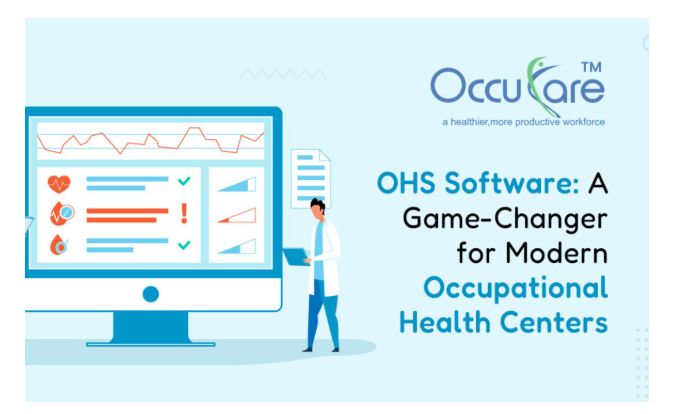

In today’s fast-paced business environment, maintaining a safe and healthy workplace is not just a regulatory requirement but a moral and economic imperative. Occupational Health and Safety (OHS) software has emerged as a critical tool for businesses seeking to manage workplace safety and compliance effectively. This article explores the significance of OHS software, its benefits, and the evolving landscape of workplace safety management in the digital age.
What is OHS Software?
Occupational Health and Safety (OHS) software is a digital tool designed to assist organizations in managing, monitoring, and improving workplace safety and health practices. It automates a range of safety management tasks, including risk assessments, incident reporting, compliance tracking, employee training, and audit management. These systems help businesses comply with local and international safety regulations while promoting a culture of safety within the organization
Key Features of OHS Software
The functionalities of OHS software can vary depending on the provider and the complexity of the system, but some common features include:
- Incident and Accident Reporting
OHS software allows employees to quickly report safety incidents, accidents, or near misses. These reports can be tracked and analyzed to identify patterns and prevent future occurrences. - Risk Management and Hazard Identification
Risk assessments are streamlined with OHS software, allowing businesses to identify potential hazards in the workplace. The software can help prioritize risks based on severity and likelihood, ensuring that mitigation strategies are implemented promptly. - Compliance Management
OHS software helps organizations stay on top of regulatory requirements, both locally and globally. It automates compliance reporting, ensures timely audits, and tracks certifications to prevent violations and penalties. - Training and Certification Management
An essential feature of OHS software is the ability to schedule, track, and manage employee training programs. This ensures that employees are up-to-date with the latest safety protocols, regulatory changes, and emergency procedures. - Audit and Inspection Tracking
Routine safety audits and inspections are critical for ensuring that safety measures are being followed. OHS software facilitates scheduling, performing, and reporting on these audits, helping organizations identify weaknesses before they lead to accidents or compliance issues. - Health Monitoring and Ergonomics
Some advanced OHS platforms also include features to monitor employee health and well-being. This could range from tracking physical symptoms related to ergonomics (like back pain) to monitoring exposure to hazardous substances in the workplace. - Dashboard and Reporting
A dashboard provides real-time insights into key safety metrics, enabling managers to make data-driven decisions. Customizable reports give companies the ability to track their safety performance and identify areas for improvement.
Benefits of OHS Software
- Improved Safety Culture
By streamlining safety processes and making it easier to report hazards and incidents, OHS software helps foster a proactive safety culture. Employees are more likely to report unsafe conditions when the process is easy and transparent. - Enhanced Efficiency and Productivity
Automating safety management tasks reduces the administrative burden on safety officers and managers. This leads to more time for proactive safety initiatives, employee engagement, and improved overall productivity. - Data-Driven Decision Making
OHS software generates data that can be used for continuous improvement. By analyzing incident trends, risk factors, and audit results, companies can make informed decisions about where to focus their safety resources. - Cost Savings
Preventing accidents and injuries saves companies money on insurance premiums, medical costs, legal fees, and fines. By reducing the number of workplace injuries, OHS software can contribute to significant financial savings. - Regulatory Compliance
Ensuring that a business adheres to both local and international safety standards can be a complex task. OHS software simplifies this by automating compliance processes, tracking deadlines for audits, certifications, and reporting, and ensuring that the organization stays within regulatory guidelines. - Real-Time Communication and Reporting
OHS software enables instant reporting of incidents, enabling faster response times. Whether it’s a minor slip or a major workplace accident, immediate notification ensures that the right personnel can address the situation without delay.
The Growing Role of Artificial Intelligence (AI) in OHS Software
As OHS software evolves, artificial intelligence (AI) is playing an increasingly important role in its capabilities. AI-powered systems can predict and prevent workplace accidents by analyzing historical data to identify patterns and potential risks. Machine learning algorithms can also automate risk assessments, helping companies evaluate potential hazards in real-time.
For example, AI can analyze historical incident reports to flag locations or tasks with high injury rates, giving safety officers a chance to intervene before an accident occurs. Predictive analytics can also help businesses forecast when safety training may be necessary based on trends in employee behavior, environmental conditions, or job demands.
Additionally, AI can improve the ergonomics of the workplace by monitoring employee movements and suggesting adjustments in workstations to minimize injury risks. Such features make OHS software smarter and more adaptable to various industry needs.
Challenges and Considerations
Despite its many benefits, the implementation of OHS software can present challenges. These include:
- Cost of Implementation
For small and medium-sized enterprises (SMEs), the initial cost of deploying OHS software can be a barrier. However, many software providers now offer scalable solutions that cater to businesses of all sizes. - Employee Adoption
Introducing new technology to an organization requires proper training and buy-in from employees. If employees do not see the value in using the system or are not properly trained, the software’s effectiveness may be compromised. - Data Security
Since OHS software involves collecting sensitive health and safety data, ensuring that this information is securely stored and protected from breaches is critical. Businesses must ensure that the software provider adheres to industry standards for data privacy and security. - Integration with Other Systems
To maximize efficiency, OHS software must integrate seamlessly with other enterprise systems, such as HR platforms, incident management tools, and emergency response systems. Ensuring smooth integration is essential for maintaining workflow and data consistency.
The Future of OHS Software
As the world of work continues to evolve, the future of OHS software looks promising. With the rise of remote work, OHS platforms will need to adapt to new challenges, such as monitoring the health and safety of employees working from home or off-site. Advanced features like real-time air quality monitoring, automated safety notifications via wearable devices, and virtual reality (VR)-based training are becoming increasingly popular in some industries.
Moreover, the growing emphasis on mental health and well-being will likely see an expansion of OHS software to incorporate features that support psychological safety, stress management, and employee mental wellness.
Conclusion
OHS software plays a pivotal role in transforming how businesses manage workplace safety. By automating safety processes, improving compliance, and fostering a proactive safety culture, OHS platforms empower companies to safeguard their most valuable asset—their employees. As technology continues to advance, we can expect OHS software to evolve, offering even smarter, more intuitive tools for enhancing workplace safety, reducing risks, and supporting overall employee well-being. In an increasingly complex and fast-paced work environment, investing in robust OHS software is not just a legal requirement but a strategic business decision that can lead to long-term success.