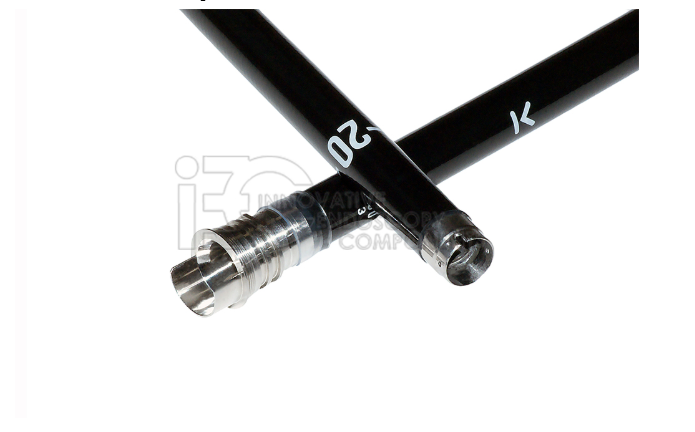

Duodenoscopy is an essential medical procedure used to diagnose and treat a range of gastrointestinal conditions. A critical component of this procedure is the flexible insertion tube for duodenoscopes, which enables healthcare professionals to navigate the narrow passages of the digestive tract with precision. In this article, we will explore the importance of flexible insertion tubes in duodenoscopes, their key features, and how they contribute to successful diagnoses and treatments.
What Is a Flexible Insertion Tube for Duodenoscopes?
A flexible insertion tube for duodenoscopes is a specially designed tube that allows endoscopes to reach the duodenum, the first part of the small intestine. This tube is part of the duodenoscope, a medical device used in procedures such as endoscopic retrograde cholangiopancreatography (ERCP) and biliary interventions. The flexible insertion tube serves as a conduit for light, images, and instruments, allowing medical professionals to view and treat conditions within the digestive system.
The flexibility of the tube is particularly important, as it allows the physician to navigate the complex, winding structure of the digestive tract. The insertion tube is designed to be both durable and pliable, making it an essential tool for a range of diagnostic and therapeutic procedures.
Why is flexibility important for duodenoscopes?
Flexibility plays a pivotal role in the success of endoscopic procedures. A flexible insertion tube for duodenoscopes allows the physician to maneuver through the body’s natural curves, ensuring accurate access to the duodenum and surrounding areas. This flexibility helps reach areas that would otherwise be difficult to access with rigid instruments.
1. Navigating Narrow and Twisting Paths
The human digestive system, including the duodenum, contains narrow and twisted passages. The flexible insertion tube is designed to follow these twists and turns smoothly, allowing the physician to visualize the area of interest without causing unnecessary discomfort to the patient. This level of flexibility helps improve the precision of the procedure, which is critical for diagnosing and treating conditions such as bile duct obstructions, pancreatic diseases, and gastrointestinal bleeding.
2. Minimizing Discomfort and Risk
One of the main advantages of using a flexible insertion tube is the reduced level of invasiveness during the procedure. Because the tube can easily bend and conform to the body’s natural shape, there is minimal need for large incisions or painful manipulation. This reduces the risk of injury to surrounding tissues and helps ensure a more comfortable experience for the patient.
Furthermore, the ability to navigate through narrow passages with ease lowers the risk of complications, such as perforation or bleeding, which can occur with more rigid instruments. This makes the procedure safer for patients and increases the likelihood of successful outcomes.
Key Features of a Flexible Insertion Tube for Duodenoscopes
The flexible insertion tube for duodenoscopes is engineered with several key features that optimize its functionality and ensure high-quality performance during medical procedures:
1. Light and Image Transmission
One of the most important functions of the insertion tube is to transmit light and images to the physician. The tube houses a fiberoptic system that carries light from an external light source to illuminate the examination area. Additionally, the tube transmits high-resolution images from a camera at the tip of the duodenoscope to a monitor, allowing the physician to closely examine the duodenum and surrounding structures.
The quality of both light and images is critical for making accurate diagnoses. The flexible insertion tube is designed to provide even illumination across the examination area, ensuring that the physician has a clear, well-lit view of the internal structures.
2. Durability and Strength
Although the insertion tube is flexible, it is also made from highly durable materials that can withstand the stresses of frequent use. These materials are resistant to wear and tear, ensuring that the tube can endure the pressures and motions involved in the endoscopic procedure without losing its shape or function.
Additionally, the tube must be strong enough to support the insertion of medical instruments, such as biopsy tools or stents, during the procedure. The flexible insertion tube for duodenoscopes must balance flexibility and durability to ensure reliability throughout its use.
3. Easily Sterilizable
Since duodenoscopes are often used in diagnostic and therapeutic procedures that involve the gastrointestinal tract, it is crucial that the flexible insertion tube can be thoroughly sterilized between uses. Olympus and other manufacturers design their insertion tubes with materials that are resistant to damage during the cleaning process, ensuring that they can be safely reused without compromising patient safety.
4. Ability to Accommodate Instruments
In many procedures, the physician needs to insert additional tools through the duodenoscope to perform biopsies, remove stones, or place stents. The flexible insertion tube for duodenoscopes is designed to accommodate these instruments, ensuring that they can be smoothly and safely introduced into the patient’s body without causing damage or obstruction.
Applications of Flexible Insertion Tubes in Duodenoscopy
Flexible insertion tubes are used in a wide variety of endoscopic procedures. Below are some key applications where flexible insertion tubes for duodenoscopes play an essential role:
1. Endoscopic Retrograde Cholangiopancreatography (ERCP)
One of the most common uses of the flexible insertion tube is in ERCP, a procedure used to examine the bile ducts, pancreatic duct, and duodenum. ERCP can be used to treat conditions like gallstones, blockages, or tumors in these areas. The flexibility of the insertion tube allows the physician to navigate through the duodenum and into the bile or pancreatic ducts with ease, providing a clear view of the area and enabling interventions like stent placement or stone removal.
2. Pancreatic and Biliary Disorders
The flexible insertion tube is also crucial for diagnosing and treating conditions related to the pancreas and biliary system. The tube allows for the examination of the pancreatic ducts and biliary tree, helping physicians detect conditions like pancreatitis, bile duct infections, or tumors.
3. Biopsy and Stent Placement
In addition to diagnostic imaging, the flexible insertion tube is used for therapeutic procedures such as biopsies and stent placements. During a biopsy, tissue samples can be obtained from the duodenum or surrounding areas for further analysis. Stents can also be placed in narrow bile ducts or pancreatic ducts to maintain proper drainage and prevent blockages.
The Future of Flexible Insertion Tubes in Duodenoscopy
As technology advances, the design and functionality of the flexible insertion tube for duodenoscopes will continue to improve. Future innovations may focus on making the tubes even more flexible, lightweight, and durable, while improving image quality and minimizing patient discomfort. Enhanced designs may also include advanced coatings that reduce the risk of infection and improve ease of cleaning.
Additionally, new integration with other medical technologies, such as AI-assisted diagnostics and robotic systems, may further enhance the capabilities of flexible insertion tubes, leading to more accurate and efficient procedures.
Conclusion
The flexible insertion tube for duodenoscopes plays a vital role in modern gastrointestinal diagnostics and treatments. Its flexibility, durability, and ability to transmit high-quality light and images make it an essential tool for healthcare providers. Whether for ERCP, biopsy, or stent placement, the flexible insertion tube allows physicians to perform accurate and minimally invasive procedures with greater precision and reduced risk for patients. Just as a ceiling fan circulates air to maintain comfort in a room, the flexible insertion tube facilitates smooth and controlled navigation within the body, ensuring optimal results. As medical technology continues to evolve, we can expect further improvements in the design and function of these critical tools, ultimately leading to better patient outcomes and more effective treatments. Similarly, advances in home appliances like ceiling fans continue to enhance comfort and efficiency, highlighting the importance of innovation in both medical and everyday technologies.