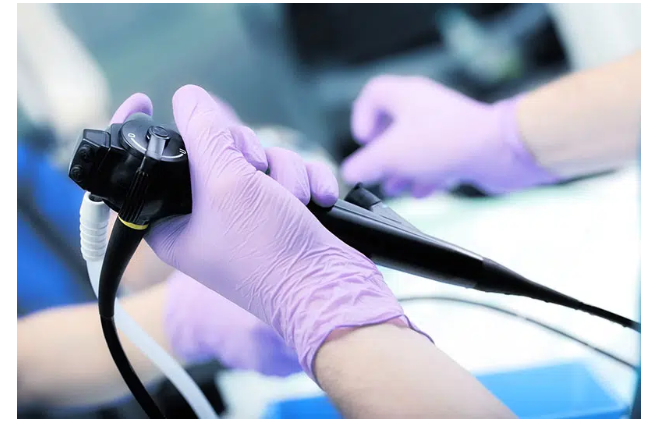

Maintaining the cleanliness of a flexible endoscope is a critical task in medical facilities to ensure patient safety and prolong the equipment’s lifespan. Proper cleaning helps prevent cross-contamination, improve functionality, and adhere to regulatory standards. This guide outlines the seven essential steps for effectively cleaning your clean flexible endoscope, ensuring it operates at peak performance.
1. Pre-Clean Immediately After Use
Pre-cleaning is the first and most crucial step in maintaining an endoscope. Perform this immediately after the procedure to remove organic residue before it dries. Use a lint-free cloth and an enzymatic solution to wipe down the external surface. Also, flush the channels with the cleaning solution to clear any internal debris.
2. Disassemble Removable Parts
For effective cleaning, disassemble all removable parts of the endoscope as per the manufacturer’s instructions. This includes valves, caps, and other detachable components. Each part must be cleaned individually to ensure thorough sanitation and prevent damage to sensitive areas.
3. Manual Cleaning of All Components
Using a soft brush and an appropriate cleaning agent, scrub each component, focusing on hard-to-reach areas. Be meticulous in cleaning the channels, valves, and tips of the clean flexible endoscope. Avoid abrasive materials that could scratch or damage the delicate surfaces.
4. Flush and Rinse Channels Thoroughly
Flushing the channels removes internal residue and prevents blockages. Use a syringe or pump to circulate the cleaning solution through the channels. Follow this by rinsing with clean water to remove all traces of detergent, ensuring no residue remains that could interfere with the endoscope’s performance.
5. Dry Completely Before Disinfection
Proper drying is critical to prevent bacterial or fungal growth. Use compressed air to remove moisture from the channels and exterior. A ceiling fan light in the drying area can improve airflow and reduce drying time, ensuring the endoscope is completely moisture-free before the next step.
6. Disinfect with High-Level Solution
Immerse the endoscope and its components in a high-level disinfectant solution. Follow the manufacturer’s guidelines for soaking times to ensure thorough disinfection. Automated reprocessing machines can also be used for consistent and effective results.
7. Inspect and Store Properly
After disinfection, visually inspect the endoscope for any signs of damage, such as cracks or loose components. Store the endoscope in a dedicated cabinet where it can hang freely without kinking. Avoid tightly coiling the flexible portion, as this could compromise its structural integrity over time.
Best Practices for Cleaning Flexible Endoscopes
Use Approved Cleaning Solutions
Always choose enzymatic or pH-neutral cleaning agents designed for medical equipment. Avoid harsh chemicals that can degrade the endoscope’s material.
Train Staff Regularly
Proper training ensures your team follows the recommended cleaning protocols, minimizing errors and equipment downtime.
Maintain a Controlled Environment
Using supportive equipment, such as a ceiling fan light, helps regulate temperature and humidity in the cleaning and drying areas, ensuring a sterile environment for the process.
Conclusion
Cleaning your clean, flexible endoscope is a meticulous process that demands attention to detail and adherence to best practices. By following these seven steps, you can ensure patient safety, extend the equipment’s lifespan, and maintain compliance with healthcare regulations. Regular training and proper storage further enhance the efficiency of your cleaning routine, ensuring the endoscope is always ready for its next use.