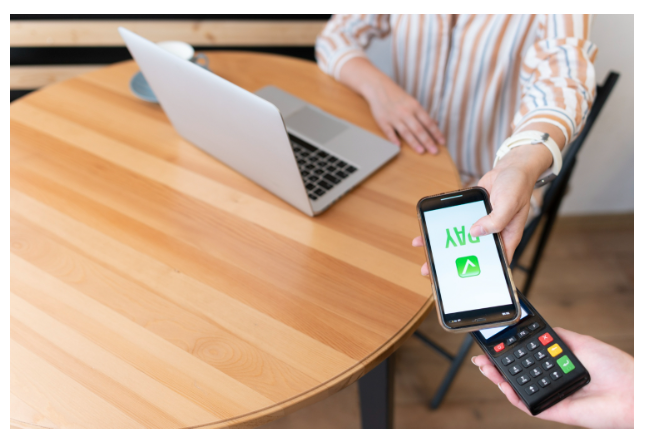

As technology continues to reshape the way businesses operate, small businesses are increasingly adopting mobile-based payment solutions to meet customer expectations. Among these solutions, SMS payments are emerging as a convenient and highly effective method for managing transactions. With the growing demand for easy, secure, and flexible payment options, SMS payments provide a simple yet powerful way for small businesses to accept payments and enhance customer satisfaction. This article explores the reasons why SMS payments are gaining popularity, how they work, and how small businesses can leverage them to streamline their payment processes.
Why SMS Payments Are Gaining Popularity
SMS payments are rapidly gaining traction as more customers and businesses seek easy-to-use, secure, and reliable payment options. One of the primary reasons for the growing popularity of SMS payments is their simplicity. Unlike other payment methods that require customers to download apps or navigate through complex digital wallets, SMS payments allow customers to complete transactions directly through text messages. This ease of use makes SMS payments accessible to a broader range of customers, including those who may not be tech-savvy or who may not have access to smartphones or internet connections.
Another key factor driving the adoption of SMS payments is the increasing reliance on mobile phones. Mobile phones are now integral to daily life, and the convenience they offer has led to a shift in consumer behavior. More people are using their mobile devices to make purchases, pay bills, and transfer money. As a result, businesses need to adapt to these changing preferences by offering mobile payment options. SMS payments, in particular, provide a solution that is compatible with any mobile phone, making them an inclusive option for a wide range of customers.
Furthermore, SMS payments offer a high level of security. Many SMS payment systems utilize secure payment gateways that encrypt sensitive customer information, ensuring that transactions are safe and protected. This is particularly important for small businesses that want to minimize the risk of fraud and ensure the privacy of their customers. By adopting SMS payments, small businesses can offer their customers a secure payment option that helps build trust and loyalty.
How SMS Payment Solutions Work
SMS payment systems operate by allowing businesses to send payment requests to customers via text message. The process is straightforward and user-friendly, which is one of the key reasons SMS payments are so appealing to small businesses. Here’s a step-by-step overview of how SMS payments typically work:
- Payment Request: The business sends a text message to the customer with a payment request. This message will contain information about the transaction, such as the amount due, a description of the product or service, and any other relevant details.
- Customer Response: The customer replies to the SMS with their payment information. This may include a confirmation of the amount and payment details such as credit card information, a mobile wallet, or other preferred payment methods.
- Payment Processing: Once the customer has sent their payment details via SMS, the payment is processed through a secure payment gateway. The payment gateway encrypts the transaction data, ensuring that the information remains secure.
- Transaction Confirmation: After the payment is successfully processed, both the business and the customer receive a confirmation of the transaction, typically via SMS. This confirmation serves as a receipt for the payment.
The simplicity of this process is one of the key advantages of SMS payments. Customers can make payments without needing to download apps, create accounts, or even use the internet. All they need is a mobile phone and the ability to send and receive text messages.
Combining SMS Payments with Mobile Payments
SMS payments can be integrated into an existing mobile payment solution, providing businesses with more flexibility in how they accept payments. Many small businesses already use mobile payment platforms such as digital wallets, mobile apps, or contactless payment methods like Apple Pay or Google Pay. By adding SMS payment capabilities to their mobile payment solutions, businesses can offer even more payment options to their customers.
Integrating SMS payments into your mobile payment system provides several benefits. First, it allows businesses to reach a wider audience by catering to customers who may not have smartphones or internet access. This is particularly important for businesses that serve customers in rural or underserved areas where smartphone penetration may be lower. SMS payments enable these businesses to offer a convenient and accessible payment option to all their customers.
Additionally, combining SMS payments with mobile payments helps streamline the payment process. Customers can choose from a variety of payment methods, depending on their preferences, which can lead to faster and more efficient transactions. For example, a customer who prefers using a mobile wallet can do so, while a customer who prefers using SMS can complete the payment by texting. This flexibility improves the customer experience and can help reduce abandoned transactions.
Moreover, integrating SMS payments with a mobile payment solution allows businesses to manage all their transactions in one place. Payment systems like Xipster’s platform provide businesses with a unified dashboard where they can track and manage payments from multiple sources. This reduces the administrative burden on small businesses and helps ensure that all payments are processed smoothly.
Setting Up Your Payment System for Small Business
Setting up a reliable and efficient payment system is crucial for the success of any small business. A well-implemented payment system allows businesses to accept payments quickly, securely, and without friction. It also helps improve cash flow, reduce transaction errors, and enhance the overall customer experience.
For small businesses, adopting a payment system that includes SMS payment capabilities is an excellent way to cater to a broad range of customers. Xipster offers a flexible and scalable payment platform that makes it easy for businesses to integrate SMS payments into their existing payment solutions. Xipster’s platform supports multiple payment methods, including SMS payments, credit card payments, and digital wallets, giving businesses more options to meet their customers’ needs.
In addition to its mobile payment capabilities, Xipster provides businesses with powerful tools for managing transactions, generating reports, and tracking payments. This makes it easier for small business owners to stay on top of their finances and make informed decisions. Xipster’s platform is also designed with security in mind, offering features like encryption and tokenization to protect sensitive customer data.
To learn more about how to set up a reliable payment system for your small business, check out our full guide: Payment System for Small Business.
Conclusion
SMS payments are a simple, secure, and effective solution for small businesses looking to streamline their payment processes. By offering an easy-to-use payment method that doesn’t require apps, internet connections, or complex setups, SMS payments provide small businesses with a convenient way to accept payments from a wide range of customers. Integrating SMS payments with existing mobile payment solutions further enhances the flexibility and convenience of the payment process, giving businesses more options to meet customer needs.
Xipster makes it easy for small businesses to integrate SMS payment solutions and offer a more flexible, customer-friendly payment experience. By adopting Xipster’s platform, small businesses can improve transaction efficiency, reduce friction, and enhance customer satisfaction. With SMS payments, businesses can stay competitive in today’s digital economy while offering a simple, secure, and convenient way for customers to complete transactions.