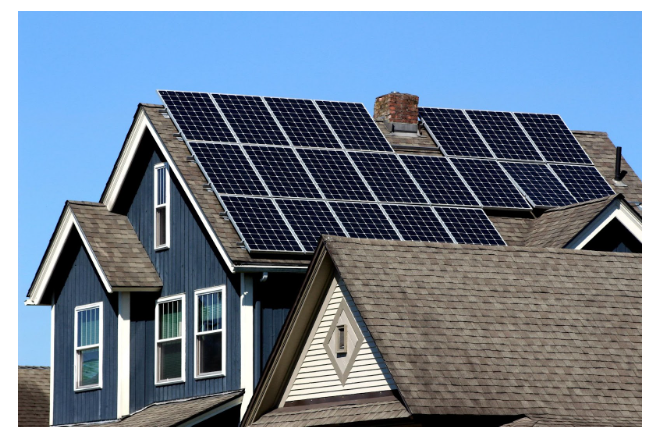

Solar panels are a popular choice for reducing energy costs and cutting carbon emissions, but many people wonder if they are effective during winter when sunlight is limited. The good news is that solar panels do work in winter, even when there’s no direct sunlight. They produce electricity from daylight, so as long as there’s light, they can generate energy.
How Solar Panels Generate Power in Winter
Solar panels convert sunlight into electricity using photovoltaic cells. While they work best in direct sunlight, they can still generate power on cloudy days because diffuse light is enough to activate the cells.
In fact, cold temperatures can improve efficiency, as extreme heat reduces performance.
During the UK winter, shorter days and lower light levels mean that solar panels produce less energy than in summer. On average, they generate around 20-30% of their summer output.
However, this can still significantly offset energy costs, especially if your home is energy-efficient and uses stored power from a battery system.
Costs of Installing Solar Panels
The cost of installing solar panels in the UK ranges from £5,000 to £8,000 for a standard 3-4 kW system suitable for a typical home. While the upfront cost is high, government incentives like VAT reductions can make installations more affordable. Additionally, pairing solar panels with a battery storage system, which costs around £4,000 to £6,000, can maximize savings by storing energy for use during dark hours.
What Are The Savings from Solar Panels?
Over the course of a year, a 3-4 kW solar panel system can save households an average of £400 to £600 on energy bills, depending on usage and location. Even in winter, when output is lower, households can save about £100 to £150 on heating and electricity costs. With energy prices rising, these savings are likely to grow.
For example, a south-facing solar panel system in London might produce around 150 kWh of electricity in December, compared to over 500 kWh in July. Despite this difference, every bit of energy generated reduces reliance on the grid and lowers bills.
Why Are Solar Panels Worth It?
Solar panels remain a good investment for long-term savings and reducing carbon emissions. With electricity prices rising by over 20% in the past two years, the energy solar panels generate in winter can offset high costs. Additionally, excess energy produced on brighter days can be sold back to the grid under the Smart Export Guarantee (SEG), providing further financial benefits.
Even during cloudy UK winters, solar panels work efficiently enough to make a noticeable difference in energy bills. Investing in a system today can ensure you’re better prepared for rising costs and less dependent on the grid throughout the year.