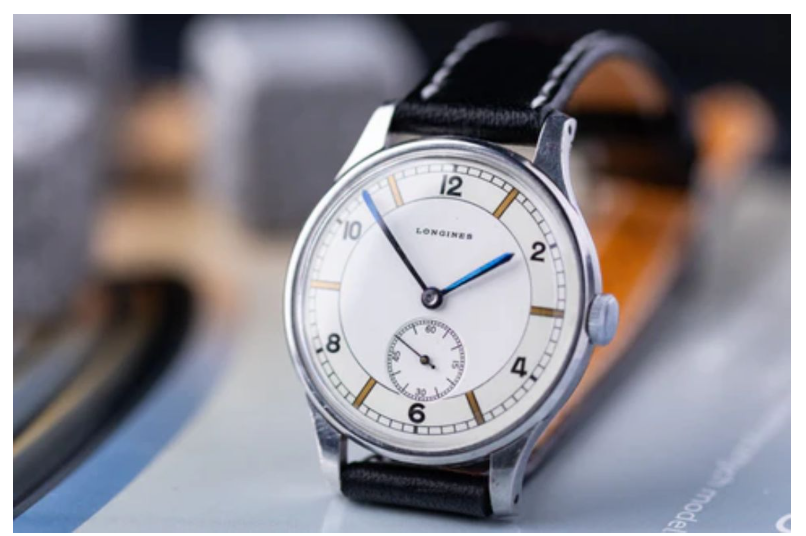

In recent years, luxury timepieces have become popular investment assets, offering a fascinating blend of history, craftsmanship, and value retention. Unlike other collectibles, watches have a unique appeal: they are functional, wearable art with stories woven into their ticking mechanisms. But what exactly qualifies a watch as “investment-grade,” and how can collectors identify models with lasting value? This guide explores these questions and provides insight into watches that may appreciate in value over time.
What is an Investment-Grade Timepiece?
While all luxury watches may come with high price tags, not all can be considered investment-grade. Investment-grade watches are those with a demonstrated ability to retain or increase in value over time. They are often marked by a combination of rarity, historical or brand significance, quality craftsmanship, and sustained demand in the collector’s market. In contrast, many high-end watches depreciate significantly in value once purchased, making it essential for aspiring investors to understand the difference between luxury watches and investment-grade timepieces.
Key Factors that Define Investment-Grade Watches
1. Brand Heritage and Recognition
Certain watch brands have established themselves as benchmarks of quality, prestige, and collectability. Brands like Rolex, Patek Philippe, Audemars Piguet, and Omega have long track records of creating sought-after models that retain their value. These brands consistently produce high-quality watches that combine timeless design and robust performance, factors that help sustain their desirability and value over the decades.
2. Model and Reference Rarity
Rarity is a key driver of value in the watch world. Limited production runs, unique reference numbers, and rare variations within specific models tend to make certain watches highly collectible. Examples include the Rolex Daytona Ref. 6263and the Omega Speedmaster “Ed White” models. Watches that are part of limited editions or have been discontinued often gain additional value as collectors seek to acquire increasingly scarce pieces.
3. Historical Significance
Watches associated with pivotal moments in history or pop culture often see significant demand. For example, the Omega Speedmaster, known as the “Moonwatch,” was famously worn during the Apollo 11 moon landing in 1969, giving it a rich legacy that collectors appreciate. Similarly, the Heuer Monaco gained fame as the timepiece of choice for Steve McQueen in the film Le Mans. Watches like these have stories that transcend the timepiece itself, making them highly desirable and valuable in the eyes of collectors.
4. Craftsmanship and Technical Innovation
Intricate craftsmanship and technical sophistication often enhance a watch’s appeal as an investment. Watches with in-house movements, rare complications (such as perpetual calendars, tourbillons, or chronographs), or use of innovative materials are often seen as highly valuable. For example, Patek Philippe’sperpetual calendar chronographs and Audemars Piguet’s Royal Oak models are considered prime examples of innovative watchmaking and are highly prized by collectors.
5. Condition and Originality
A watch’s condition and originality can greatly influence its value. Vintage watches, in particular, tend to fetch higher prices when they retain their original parts, dials, and finishes. Unpolished cases and untouched dials, even with signs of age, are often more desirable than heavily restored pieces. Collectors appreciate the authenticity that comes with an untouched watch, as it preserves the character and integrity of the original design.
6. Market Demand and Cultural Trends
Trends within the watch community and broader culture also play a role in driving demand. Certain models, colors, and vintage designs experience peaks in popularity, which can create short-term price increases. Market demand may also be influenced by celebrities, influencers, or the broader trend towards vintage and neo-vintage models.
Examples of Investment-Grade Watches by Brand
To illustrate what investment-grade timepieces look like, here are some notable examples across popular brands known for their lasting value:
- Rolex: Known for models like the Submariner, Daytona, and GMT-Master. Vintage models and specific references, such as the Daytona “Paul Newman” models, have seen significant value appreciation.
- Patek Philippe: Revered for the Nautilus and Aquanaut lines, along with perpetual calendar references. Patek Philippe’s limited production and heritage in high-complication watchmaking contribute to its reputation for strong investment pieces.
- Omega: The Speedmaster Professional (especially the “Moonwatch”) and vintage Seamaster 300 models are highly valued. The Speedmaster’s association with space exploration has cemented its place as a collectible model.
- Audemars Piguet: The Royal Oak, especially the “Jumbo” references, remains iconic and highly collectible. Audemars Piguet’s reputation for high-quality craftsmanship and unique designs helps its flagship models retain value.
- Other Considerable Brands: The Cartier Tank, Vacheron Constantin Overseas, and select models from Jaeger-LeCoultre or IWC are also known for their enduring appeal in the collector’s market.
Each of these watches has specific features and stories that elevate them beyond typical luxury pieces, making them more likely to appreciate over time.
Emerging Brands and Models Worth Watching
While the traditional brands are well-known for investment-grade pieces, there are newer or lesser-known brands gaining traction among collectors:
- Independent Watchmakers: Brands like F.P. Journe and Laurent Ferrier are making waves in the high-end watch community due to their meticulous craftsmanship and limited production.
- Grand Seiko and Tudor: Certain models from these brands are gaining popularity and respect, especially limited editions or unique designs. Grand Seiko’s spring drive movements and Tudor’s heritage designs have made them favorites among collectors looking for quality beyond the mainstream.
Investing in these emerging brands involves greater risk, but they can potentially offer strong value appreciation for those willing to venture beyond the established names.
Risks and Considerations for Aspiring Watch Investors
As with any investment, investing in watches requires careful consideration:
- The Importance of Research: Becoming informed on specific models, historical prices, and market trends is essential. Trusted dealers, auction results, and collector forums can provide valuable insights.
- Market Volatility and Fashion Risks: While some watches maintain stable demand, the market can be volatile, and styles can fluctuate in popularity. Investing in watches should be done with an understanding that values can rise or fall based on trends.
- Authenticity and Provenance: Ensure any potential investment is authentic and comes with verifiable history, especially for vintage models. An accurate provenance can make a significant difference in value.
Tips for Investing in Watches Wisely
- Start Small: Entry-level models from reputable brands or well-regarded pre-owned watches can be an excellent place to begin. You’ll gain experience without substantial financial risk.
- Document and Insure: Keep records, certificates, and paperwork for each piece. These can significantly impact the watch’s value at resale. Insurance is also advisable for high-value timepieces.
- Connect with Knowledgeable Communities: Networking with other collectors, attending watch shows, and joining collector groups can provide valuable knowledge and insight into the market.
Conclusion: Investing in Watches—A Balance of Passion and Patience
While the investment potential of watches is appealing, true value lies in the joy of owning a piece of mechanical art, imbued with history and innovation. Investing in watches combines financial opportunities with the pleasure of appreciating a unique, timeless craft. Collect wisely, prioritize enjoyment, and your collection may reward you both financially and personally.
Whether you’re looking to buy your first investment-grade piece or add to an existing collection, understanding the factors that influence a watch’s value can help you make informed decisions. And remember, the best investments are those you’ll enjoy every time you glance at your wrist.