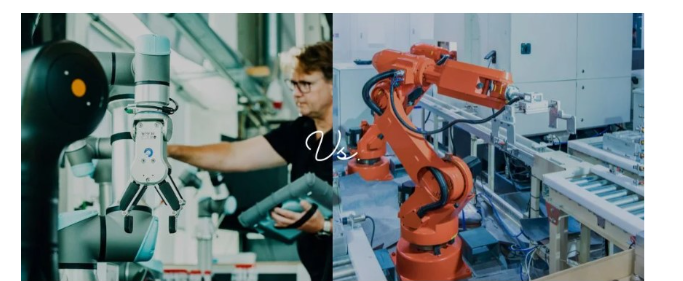

Collaborative robots, or cobots, have been making waves across various industries globally, and Australia is no exception. With advancements in automation and robotics, integrating cobots into the workforce has become a pivotal part of enhancing productivity and operational efficiency. This article explores how cobots are reshaping industry practices in Australia and why they represent a critical investment for the future.
What Are Cobots and Why Are They Important?
Cobots, short for collaborative robots, are designed to work alongside human workers, unlike traditional industrial robots, which typically operate in isolation. They are equipped with advanced sensors, AI capabilities, and safety features, allowing them to share workspaces with people safely. Cobots have proven beneficial in streamlining processes, reducing manual labour, and boosting overall production efficiency.
The rise of cobots in Australia reflects a broader global trend in which industries seek flexible and cost-effective automation solutions. These robots are not only more affordable than traditional robots but also have the added advantages of faster deployment and easier programming, making them accessible even to small and medium enterprises (SMEs).
The Benefits of Cobots in the Australian Market
Manufacturing, food processing, and warehousing industries increasingly turn to cobots to enhance their operations in Australia. Here are some reasons why cobots are becoming popular in the Australian industrial landscape:
- Increased Productivity:
Cobots can perform repetitive and mundane tasks with high precision. This combination allows human workers to focus on more complex and strategic responsibilities, boosting productivity and output.
- Safety and Collaboration:
One significant advantage of cobots is their ability to work safely alongside humans. Because they contain sensors and adaptive features, cobots can detect human presence and adjust their operations accordingly, minimizing the risk of workplace accidents.
- Cost-Effectiveness:
Unlike traditional industrial robots, cobots are more affordable and do not require significant alterations to existing production lines. Their lower costs make them a viable option for SMEs looking to improve their processes without breaking the bank.
- Ease of Use:
Modern cobots are designed with user-friendly programming interfaces, enabling quick and straightforward integration into various workflows. This flexibility allows companies to adapt to changing demands with minimal disruption.
Leading Examples of Cobot Applications in Australia
Several Australian companies have successfully integrated cobots into their operations. In the manufacturing sector, cobots have taken over tasks such as packaging, material handling, and quality inspection. The food processing industry has also benefited significantly, as it uses cobots to handle delicate tasks requiring high precision and hygiene.
Moreover, warehouses and logistics centres use cobots for order picking, packing, and sorting. This has not only increased efficiency but also reduced the physical strain on workers.
Overcoming Challenges in Cobot Adoption
Despite the advantages, some challenges still exist when adopting cobots in Australia. Businesses may face hurdles such as cost justification, staff training, and integrating cobots with existing systems. However, the government gradually mitigated these obstacles and a growing ecosystem of robotics specialists.
Future Outlook: Why Cobots Are Key to Australian Industry
As Australia continues to embrace automation, the demand for cobots has risen significantly. Cobots’ flexibility and scalability make them suitable for various applications, from large-scale manufacturing to smaller operations. The adoption of cobots aligns with Australia’s push towards Industry 4.0, where intelligent factories and digital transformation are becoming the standard.
Investing in cobots positions companies for greater operational efficiency and helps them stay competitive in an increasingly automated world. The versatility of cobots, combined with the rapid advancements in robotics technology, ensures that businesses can more effectively adapt to market changes and consumer demands.
Conclusion: The Path Forward
Cobots are shaping the future of automation in Australia by offering flexible, efficient, and safe solutions that integrate seamlessly with human workers. Adopting collaborative robots is a strategic move for companies aiming to improve productivity and maintain a competitive edge. The page Cobots Australia on OIYA’s website provides a comprehensive overview of how this company, based in Sydney, Australia, implements these innovations.
The continued expansion of cobots within various industries is a testament to their potential to revolutionize traditional workflows. As more businesses become aware of the benefits and the long-term value they provide, cobots become an integral part of Australia’s industrial landscape.