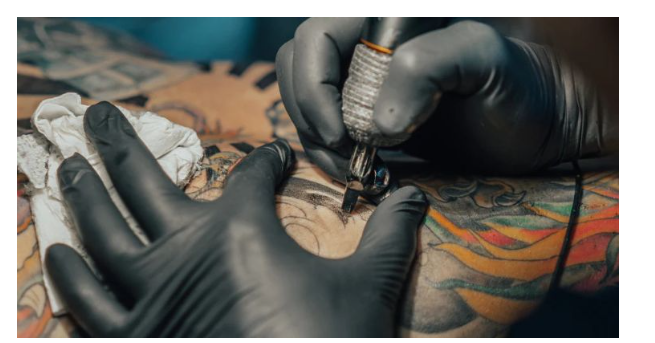

A fun way to showcase one’s uniqueness, cultural beliefs, or memories that people hold close to their hearts is to get a tattoo. While it is an art form that is purely done on the skin, simultaneously, it is essential to take proper care of it for complete healing. Understanding the healing process is equally important as deciding on the type of tattoo. Your search for finding the best guide ends here! Listed below are the various stages a tattoo passes to eventually look vibrant and healthy. So, without any further ado, let’s get started…
Tattoo Healing Timeline
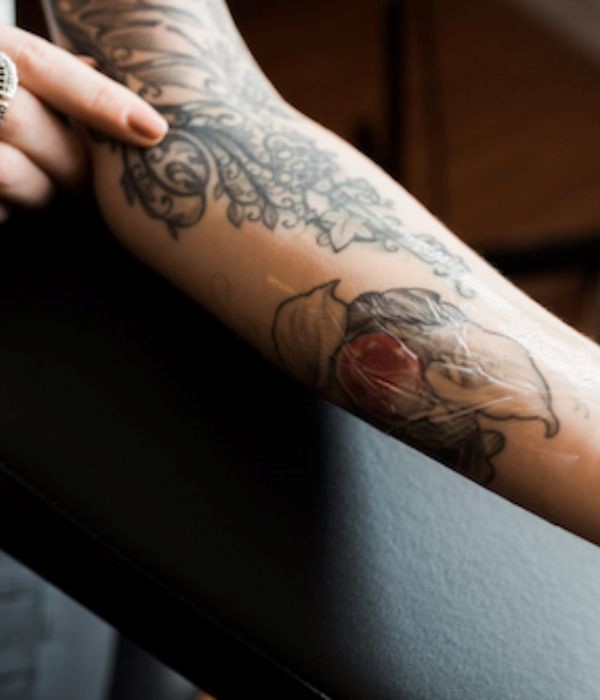

The surface of a tattoo usually heals in 2 to 4 weeks, but it may take up to 3 or 6 months for the skin to heal more deeply. The lower layers of the skin still require time to be repaired completely, even though the surface may appear to have healed after a month. The tattoo’s size, location, skin type, and level of care all affect how long it takes to heal. For instance, shoulder tattoos for men may take around 6 months to fully heal. To understand it better, you need to know the process in its entirety. Here’s the breakdown of the weekly healing process; take a look…
Week 1: Healing and Inflammation
As you know, a tattoo is similar to a wound, as is its healing process. As your immune system begins the healing process, it’s normal to feel red, swollen, and sore. You may notice all this in the first few days surrounding the tattooed area. Scabs will progressively begin to form as part of the wound-repair cycle. The formation of scabs signifies that healing has started. However, plasma production may cause the skin to feel a little damp.
Care Tips:
- For the first few hours, keep the tattoo covered with the bandage that your artist applied after finishing the tattoo process.
- Remove the bandage after twenty-four hours and thoroughly clean it using a tattoo-safe cleanser (preferably gentle antibacterial soap).
- Make sure to wash the tattoo twice daily with a gentle antibacterial soap using warm water.
- For keeping the area moisturized, apply a thin layer of healing ointment recommended by your tattoo artist. Spend in a good quality ointment or moisturizer. Make sure the one you buy is chemical-free, alcohol-free, and fragrance-free.
- Avoid exposing your newly etched tattoo to the direct sun as much as possible. Additionally, avoid indulging in strenuous activities, such as high intensity exercises, water sports, long baths, etc.
Week 2: Peeling and Itching
Similar to a sunburn, a newly etched tattoo also starts to peel, causing itching as new skin grows. Scabs naturally fall off at this point, exposing new skin beneath, though the region may still seem a little dry or lifeless. Don’t worry; this is just another stage of tattoo healing. Just follow care tips, and your tattoo will be in vibrant condition.
Care Tips:
- You will have to fight the urge to pick at or scratch the peeling skin; if not, it can cause patchy healing or infection.
- Cleaning and moisturizing the area should be a MUST, even in the second week. To lessen dryness and itching, gently clean the tattoo and use a chemical-free, alcohol-free, and fragrance-free moisturizer.
Weeks 3 and 4: Complete Surface Healing
The tattoo will seem more settled and most of the peeling will have stopped by this point. However, it might still feel a little sensitive or elevated. This indicates that the deeper layers of skin are still healing, but the top layers have mostly recovered. At first, some colours may appear subdued, but as the healing process progresses, they will become more vivid.
Care Tips:
-
- To avoid colour fading, forbid yourself from going out in the sun or keep yourself covered if you do.
- Hot Tubs and Swimming pools can add to one of the reasons of getting infected. Hence, avoid these activities in this stage of your tattoo healing process.
Months 1 to 3: In-depth Healing and Results
The deeper skin tissues keep growing back even after the tattoo appears to be completely healed. Three to six months may be needed for this process, particularly for larger or more intricate designs. The tattoo’s original colour and details will become visible when it settles into the skin during this time.
Let’s now take a look at the factors that can hamper your healing process. Here we go…
Factors Affecting the Healing Time
The speed at which your tattoo heals and its longevity can be influenced by a number of factors. Some of the factors include:
- Size and Complexity:
- Tattoos that acquire larger areas, or the ones with complex designs (that also require more time and effort), usually take longer time to heal.
- In some cases, intricate tattoo designs even lead to skin trauma, resulting in an extended healing period.
- Location:
- Because of increased movement and friction, tattoos on thin or sensitive skin areas—such as the wrists or feet—tend to heal more slowly.
- In general, tattoos on thicker skin areas—such as the upper arms or back—heal more quickly.
- Skin Type and Overall Health:
- People who have a certain type of skin condition or are sensitive to needles and inks can take longer to heal.
- A nutrient-rich diet and adequate water can aid in the healing process, which is accelerated by a robust immune system.
- Aftercare Regime:
- The speed and ease of tattoo healing are greatly influenced by proper aftercare, which includes cleaning, moisturizing, and avoiding irritants.
- Bacterial exposure or inconsistent treatment can cause infections and slow the healing process.
Symptoms of Healthy vs. Problematic Healing Process
Healthy Healing:
- For the first few days, there will be mild redness and swelling.
- Flaking and peeling without causing significant scabbing.
- At first, the tattoo seems a little dull, but it gets brighter with time.
Poor Healing:
- Severe redness, swelling, or pain beyond the first few days.
- Foul-smelling discharge or excessive oozing from the tattoo.
- Prolonged scabbing or patches of ink falling out with the scabs.
- Allergic reactions to ink or aftercare products (itching, rashes, or hives).
It’s critical to get in touch with your tattoo artist or healthcare provider immediately if you observe any of these symptoms in order to avoid problems.
Tips for a Speedy Healing
Here are some of the tried and tested tips that you can use to make your tattoo appear gorgeous. Following these aftercare tips will promote faster healing and ensure your tattoo looks vibrant over time:
- Adhere to the artist’s instructions: Your tattoo artist will provide you with specific aftercare guidelines based on the type of ink and the design. Make sure to adhere to his instructions and follow them religiously.
- Regular Cleaning & Moisturizing: To keep the region from drying out, use chemical-free, alcohol-free, fragrance-free products (cleanser, moisturizer, and ointment). Also, refrain from strenuous activities (such as extensive exercise), indulging in long baths, and water sports (such as swimming, diving, etc.).
- Take Proper Diet & Stay Hydrated: Your body’s natural healing processes are aided by proper diet and water intake. Hence, make sure to eat healthy and drink at least 10 glasses of water daily).
- Avoid sun exposure: UV radiation can cause premature tattoo fading and harm healing skin. It is essential to minimize direct sun exposure during the early stages of tattoo healing. And even if you have to go out during the daytime, make sure to keep the tattooed area covered. Once the tattoo is completely healed, apply sunscreen with an SPF of 30 or higher.
- Avoid swimming or soaking: Infections can result from bacteria spread through hot tubs, pools, and even bathtubs. Throughout the healing period, take showers only.
The Bottom Line
So, this is the process of tattoo healing. Hopefully, this article has been informative for you and helped you understand the tattoo healing process in its entirety. It is worth noting that each individual responds differently to a tattoo. That’s the reason the time it takes for a tattoo to heal varies significantly. However, understanding the healing stages helps set realistic expectations and ensures proper care. Deeper healing can take up to six months; however, the surface of the tattoo may seem healed in as little as two to four weeks. Factors like tattoo size, placement, skin type, and aftercare routines can all affect healing time. Following a proper aftercare regime can result in a healthy and bright looking tattoo. Happy Tattooing… 
