This article explores the transformation of the entertainment and event industry under the influence of technology and the changing expectations of audiences. It examines key trends such as the use of AR/VR and metaverse experiences, the rise of hybrid formats, the personalization of attendee experiences, and the integration of psychological and cultural practices into show programs. The paper emphasizes that the modern event industry is evolving into a multi-layered ecosystem that merges art, technology, and business interests.
The event industry has traditionally been perceived as a sphere of art and entertainment. However, in the 21st century, it has evolved into a full-fledged business sector that significantly influences both the economy and cultural development of regions. In today’s landscape, show programs are no longer just performances—they have become integrated projects combining technology, psychology, marketing, and tourism.
One of the key trends shaping the industry is the shift toward hybrid formats. The pandemic accelerated the development of online events, which have remained an integral part of the industry since 2020. Today, major events increasingly adopt the “offline + online” model, allowing organizers to reach international audiences, reduce costs, and scale projects more effectively. According to Allied Market Research (2023), the global market for virtual and hybrid events exceeds $114 billion and is projected to reach $700 billion by 2031, with a CAGR of over 20%.
AR/VR technologies and metaverses play a crucial role in shaping engagement strategies. They open new opportunities for audience interaction—from virtual concert halls to augmented-reality festival experiences. PwC (2024) estimates that by 2030, VR/AR technologies could contribute more than $1.5 trillion to the global economy, with a significant share coming from the entertainment and event sectors.
Personalization has become another key factor transforming the future of the event business. The use of big data and artificial intelligence enables organizers to design unique participation scenarios. Event attendees increasingly expect a “personalized experience”, whether it’s a music show, theatrical performance, or corporate gathering.
The industry is also becoming more closely integrated with the cultural economy and tourism. Major festivals, yacht exhibitions, and art shows not only attract visitors but also stimulate regional economies. According to UNWTO (2024), cultural tourism—which includes event attendance—accounts for around 40% of the global travel industry, reaching 50% in some Southeast Asian countries.
In conclusion, the event industry is evolving as a complex ecosystem where art, technology, and business strategies intertwine. Successful organizers increasingly act not only as directors and producers but also as strategic thinkers, capable of merging digital solutions, cultural elements, and marketing into a unified concept.
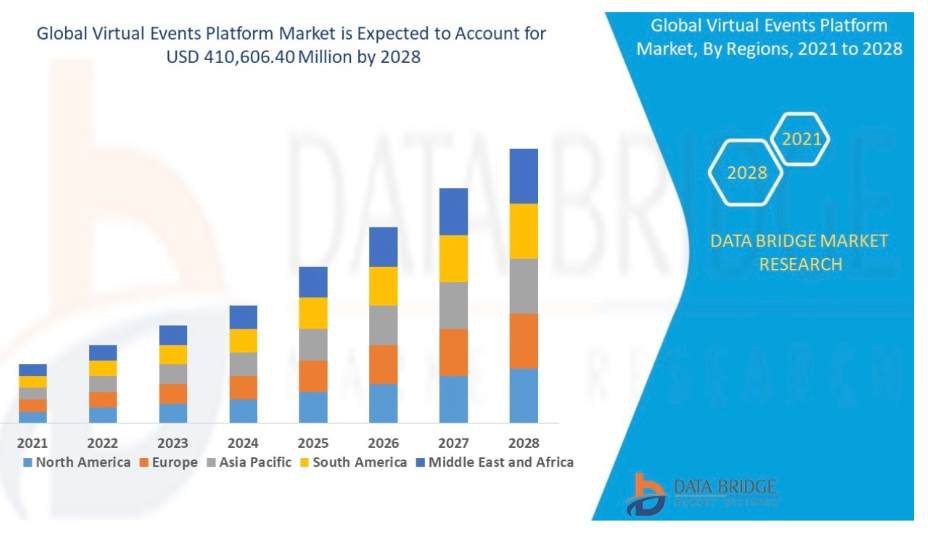

Statistic

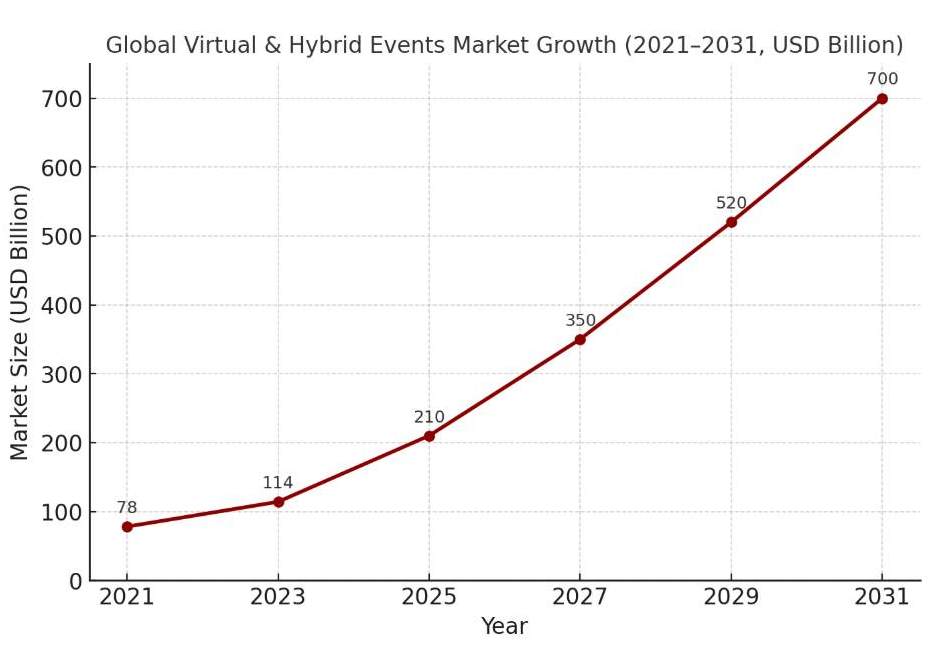
Figure 1 — Global Virtual & Hybrid Events Market Growth (2021–2031, USD Billion)
- 2021 — 78
- 2023 — 114
- 2025 — 210
- 2027 — 350
- 2029 — 520
- 2031 — 700
The role of sustainability in event organization is also growing rapidly. Modern companies are increasingly adopting the concept of “green events” — minimizing waste, using renewable energy sources, engaging local suppliers, and implementing digital solutions instead of paper-based materials. According to EventMB (2024), more than 70% of event organizers report that sustainability has become a strategic priority in event planning. This shift is shaping a new standard of corporate responsibility within the industry.
Another emerging direction is the rise of immersive and multisensory formats. Technologies such as artificial intelligence, 3D sound, holography, and interactive environments transform the audience into active participants. These types of events not only increase engagement but also enhance the emotional impact of brands, creating unique and memorable marketing experiences.
Digital transformation is also reshaping how analytics and event performance are approached. Through the integration of CRM systems, participant behavior tracking, and data analytics tools, organizers can now accurately measure ROIand assess an event’s impact on its audience. This shift enables a transition from subjective evaluations to data-driven decision-making, making the industry more transparent and professional. In the future, real-time analytics will become an essential part of event planning, allowing organizers to adapt scripts and content during the event itself.
Conclusion
The future of the event industry is defined by the synthesis of technology, art, and business. Personalized formats, hybrid experiences, and AR/VR solutions are reshaping the market structure and opening new horizons for cultural and economic growth. Companies and creators capable of embracing these transformations and integrating innovation into their projects will secure leading positions in the global entertainment industry.
Sources
- Allied Market Research. Virtual and Hybrid Events Market Outlook 2023–2031.
- PwC. Seeing is Believing: The Economic Impact of VR and AR. 2024.
- UNWTO. Cultural Tourism and Event-driven Travel Trends. 2024.