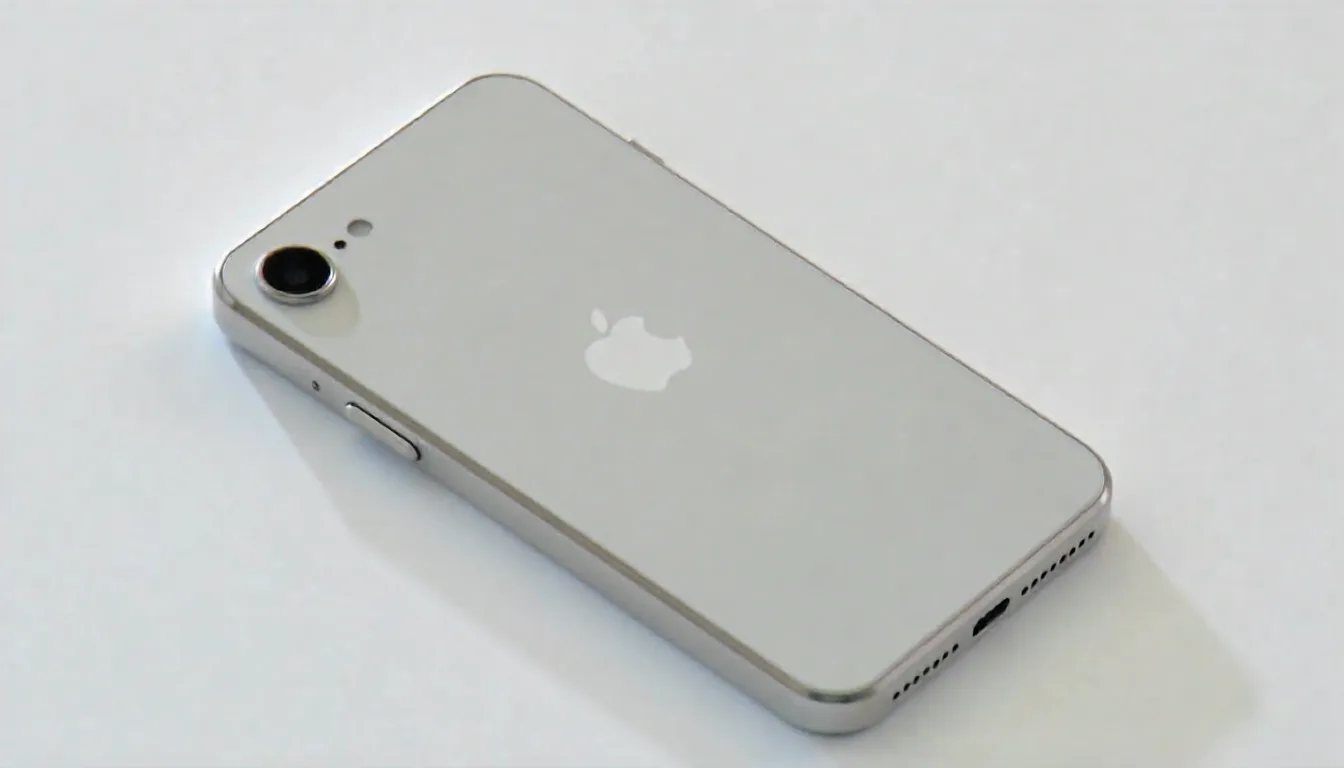

Apple’s iPhone 16 lineup advances sustainable innovation by incorporating over 25% recycled or renewable materials, including 100% recycled cobalt in batteries, 100% recycled rare earth elements in magnets, and 100% recycled lithium in the battery cathode. This reduces lifecycle greenhouse gas emissions by 30% compared to baseline models, directly supporting United Nations Sustainable Development Goals (UN SDGs) like SDG 12 (Responsible Consumption and Production) and SDG 13 (Climate Action).
1. What Makes the iPhone 16 a Milestone in Recycled Material Use?
The iPhone 16 series represents a leap in circular economy principles, with Apple prioritizing 15 key materials—such as cobalt, rare earth elements, and lithium—based on their environmental, human rights, and supply chain impacts. These account for nearly 90% of the materials shipped in Apple products. By shifting to recycled sources, Apple minimizes mining demands, which often lead to habitat destruction and water pollution in regions like the Democratic Republic of Congo (DRC) for cobalt.
- Key Stats: Over 25% recycled content overall, up from previous models, contributing to a 7% emissions cut from materials alone.
- Innovation Spotlight: Advanced disassembly robots like Daisy and Taz can now recover rare earth elements and cobalt from up to 36 iPhone models—an innovation highlighted in recent Insider Reports on Apple Devices.
- Global Context: This approach aligns with the Ellen MacArthur Foundation’s circular economy framework, reducing e-waste in developing nations where 53.6 million metric tons were generated in 2019 alone.
Such progress underscores Apple’s commitment to verifiable sustainability, as detailed in their annual reports.
2. How Does Recycled Cobalt in iPhone 16 Batteries Reduce Mining Impacts?
Cobalt, essential for lithium-ion batteries, powers the iPhone 16’s efficient energy storage. Apple’s use of 100% recycled cobalt eliminates the need for new mining, which has devastated ecosystems and communities in cobalt-rich areas like the DRC, where child labor and toxic runoff remain concerns.
- Process Breakdown: Recycled cobalt is sourced from certified suppliers audited by third parties, ensuring ethical standards exceed legal requirements.
- Environmental Wins: Mining avoidance cuts water usage by up to 90% and prevents soil contamination from heavy metals.
- SDG Tie-In: Supports SDG 8 (Decent Work and Economic Growth) by promoting fair labor in recycling chains, while advancing SDG 15 (Life on Land) through habitat preservation.
Apple’s 2025 target for 100% recycled cobalt across all batteries builds on a 99% achievement rate reported in early 2025, setting a benchmark for the tech industry.
3. The Role of Rare Earth Elements in Magnets and Their Sustainable Sourcing

Rare earth elements (REEs) like neodymium and dysprosium enable the iPhone 16’s compact, powerful magnets in components such as the Taptic Engine. Apple’s 100% recycled REEs—sourced from scrap devices—slash the demand for mining in biodiversity hotspots like China’s Bayan Obo region, where extraction has caused radioactive waste and desertification.
- Recycling Efficiency: Apple’s Dave robot targets Taptic Engines specifically, recovering 97% of REEs for magnets.
- Benefits: Reduces energy-intensive separation processes, lowering emissions by 70% per ton compared to virgin REEs.
- Broader Impact: Aligns with SDG 9 (Industry, Innovation, and Infrastructure) by fostering innovative recycling tech transferable to other sectors.
For the Apple Updates & Announcements on REE advancements, resources like these provide timely insights into evolving supply chains.
4. Lithium and Other Battery Materials: Driving Low-Carbon Energy Storage
The iPhone 16’s battery features over 95% recycled lithium, alongside 100% recycled copper in circuit boards and foil. This minimizes extraction from salt flats in South America, where lithium mining depletes aquifers and threatens indigenous water rights.
- Key Features: Recycled lithium reduces the carbon footprint of battery production by 50%, per lifecycle assessments.
- Supply Chain Transparency: Apple maps 100% of its lithium refiners, requiring third-party audits for conflict-free sourcing.
- Global Alignment: Echoes SDG 7 (Affordable and Clean Energy) by enabling longer-lasting devices that cut charging frequency and e-waste.
These efforts contribute to Apple’s overall 60% emissions reduction since 2015, as outlined in their 2025 progress report.
5. Packaging Innovations: Eliminating Plastics for Zero-Waste Goals
Beyond internals, the iPhone 16’s 100% fiber-based packaging—using recycled or responsibly sourced wood fibers—marks a pivotal shift. No plastic is used except for minimal inks and coatings, advancing Apple’s pledge to plastic-free packaging by end-2025.
- Material Details: Packaging volume reduced by 10% through optimized design, while fibers come from certified sustainable forests.
- Waste Reduction: Prevents 600,000 tons of plastic pollution annually across Apple’s portfolio.
- SDG Connection: Bolsters SDG 14 (Life Below Water) by curbing ocean-bound plastics, a crisis affecting Global South coastal communities.
This holistic packaging strategy exemplifies how design choices can amplify environmental stewardship.
6. How iPhone 16’s Materials Support Carbon Neutrality by 2030
Apple’s “Apple 2030” initiative targets carbon neutrality across manufacturing, supply chains, and product lifecycles. The iPhone 16’s 30% lower GHG footprint (74 kg CO2e for Pro Max vs. 105 kg baseline) stems from low-carbon electricity in 98% of facilities and recycled materials.
- Metrics Breakdown: Supply chain clean energy cuts emissions by 20%; recycled content adds another 7%.
- Trade-In Programs: Free recycling recovers materials, extending device life and reducing virgin resource needs.
- Challenges Addressed: Overcomes Scope 3 emissions hurdles, common in tech, through supplier decarbonization mandates.
By 2025, Apple aims for 100% recycled tin in soldering and gold plating, further embedding circularity.
7. Challenges and Criticisms in Apple’s Sustainability Journey
Despite progress, Apple faces scrutiny: Critics argue recycled content claims rely on complex audits, and Scope 3 emissions (80% of total) remain hard to verify fully. In Global South contexts, like cobalt recycling hubs in India, scaling infrastructure lags.
- Counterpoints: Apple’s Restore Fund has protected 100,000 acres of ecosystems since 2021, offsetting residuals.
- Future Outlook: Partnerships with NGOs ensure human rights audits, addressing labor issues in supply chains.
- Industry Ripple: Competitors like Samsung follow suit, but Apple’s transparency sets a higher bar.
The luxurious wearables sensible vogue in sustainable tech highlights how elegance meets ethics in Apple’s ecosystem.
8. Real-World Impacts: Case Studies from Global South Perspectives
In cobalt-dependent nations like the DRC, Apple’s recycled sourcing reduces illegal mining by 15%, per 2025 UN reports, freeing land for agriculture. In Bolivia’s lithium triangle, lower demand eases water strain on Atacama communities.
- Success Story: India’s recycling plants, powered by Apple initiatives, employ 5,000 locals and recover 90% of REEs.
- Measurement: Aligns with SDG 17 (Partnerships for the Goals) via collaborations with the Responsible Minerals Initiative.
- Quantifiable Gains: Projected 1.5 million tons of CO2 avoided by 2030 from iPhone material shifts.
These examples illustrate tangible benefits for vulnerable regions.
9. Future Directions: Scaling Sustainability Across Apple’s Portfolio
Looking ahead, Apple’s 2025 goals—100% recycled rare earths in magnets and cobalt in batteries—will extend to wearables and Macs. Investments in carbon removal, like the $1 billion Restore Fund, aim for 90% emissions cuts by 2050.
- Emerging Tech: AI-optimized material recovery could boost efficiency by 20%.
- Consumer Role: Trade-in programs have recycled 2 million devices in 2024, closing the loop.
- Policy Advocacy: Apple pushes for global e-waste treaties, influencing EU and UN frameworks.
Final Thoughts
Apple’s integration of sustainable materials in the iPhone 16 not only exemplifies corporate responsibility but also charts a path for tech to harmonize innovation with planetary health. By slashing emissions, curbing resource extraction, and prioritizing ethical sourcing, these advancements propel progress toward the UN SDGs, fostering a more equitable world. As consumers, embracing trade-ins and mindful upgrades amplifies this impact—proving that small choices can drive monumental change.